Transform Your Life by Balancing Ego and Attachment
Unlock the secrets to harmony and self-awareness with expert guidance from Stoic philosophy and modern psychology.
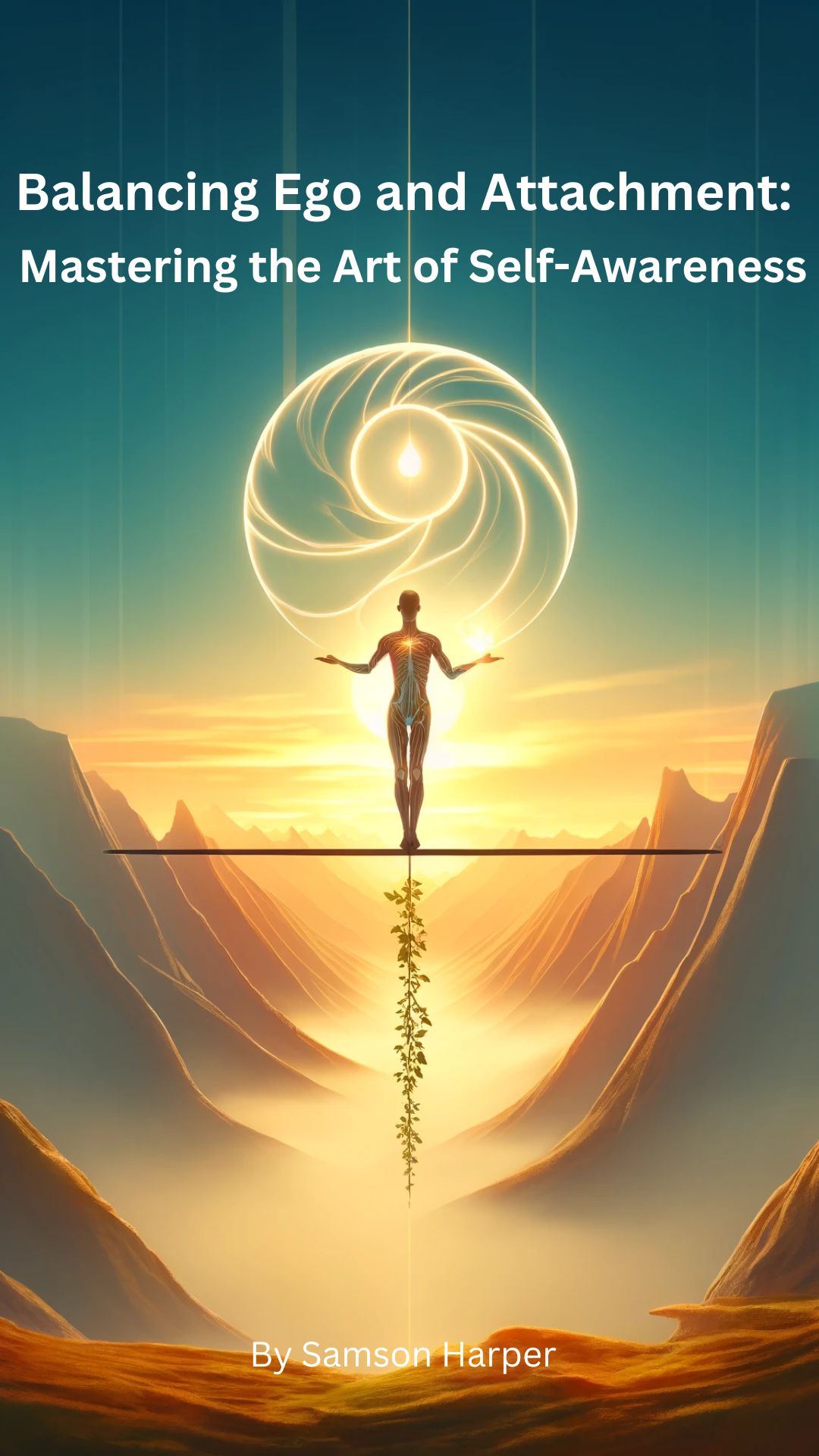

🌟Introduction to Ego and Attachment
Welcome to a transformative journey where we explore the delicate balance between ego and attachment. This page delves into the principles outlined in the insightful book, 'Balancing Ego and Attachment: Mastering the Art of Self-Awareness.' Combining the ancient wisdom of Stoic philosophy with the modern insights of psychology, this guide offers actionable steps to achieve harmony within yourself and in your relationships. Often, our ego and attachments shape our responses and interactions with the world. By understanding and regulating these influences, you can gain higher self-awareness, better emotional balance, and enriched social connections. Throughout this page, you will discover practical techniques, compelling real-world examples, and a roadmap to personal and professional success. Let's embark on this journey towards greater well-being and personal growth.

🔑Key Principles for Balancing Ego and Attachment
⚖Understanding the Balance Between Ego and Attachment
Balancing ego and attachment is vital for achieving inner harmony and improving interpersonal relationships. In 'Balancing Ego and Attachment: Mastering the Art of Self-Awareness,' Samson Harper illustrates how unchecked ego can lead to arrogance and self-sabotage, while excessive attachment can dilute self-identity. By drawing upon Stoic philosophy and modern psychological practices, readers are taught to recognize and regulate their ego, enabling them to avoid hubris and maintain humility. Healthy attachments contribute to a sense of belonging and emotional support, but it's crucial to retain individuality. Harper's practical guide helps you cultivate these balanced relationships without compromising your own identity. By mastering this equilibrium, you're better equipped to turn life's challenges into growth opportunities, leading to a fulfilling and balanced life.
🌱The Role of Ego in Personal Development
The ego plays a significant role in our personal development, but it's a double-edged sword. On one hand, a healthy ego instills confidence and drives us to achieve our goals. On the other hand, an inflated ego can lead to arrogance and self-destructive behavior. In this book, Harper emphasizes that mastering the ego involves understanding its impact and learning to manage it. Through actionable steps, such as mindful self-reflection and embracing challenges as growth opportunities, readers are guided to transform their ego into a constructive force. By doing so, one can strengthen willpower, embrace humility, and ultimately, achieve greater personal success and emotional balance.
💞Healthy Attachments and Emotional Well-being
While the ego requires regulation, healthy attachments are equally important for emotional well-being. Attachments, whether to people, places, or pursuits, provide us with a sense of security and connection. However, when attachments become too consuming, they can overshadow personal identity. Samson Harper's book explores how to maintain healthy attachments by fostering relationships that support mutual growth without losing oneself in the process. Detailed case studies and real-world examples illustrate how balanced attachments contribute to a rich, fulfilling life. By cultivating these bonds thoughtfully, you enhance your emotional resilience and overall happiness.
📘Practical Techniques and Real-World Examples
🛠Actionable Steps for Balancing Ego and Attachment
Achieving a balance between ego and attachment requires a mindful approach and a set of actionable steps. Samson Harper's book offers practical techniques grounded in Stoic philosophy and modern psychology to help you on this journey. 1. Self-Reflection: Routinely examine your thoughts and behaviors to understand how your ego and attachments influence your actions. 2. Embrace Humility: Recognize that personal growth requires acknowledging your limitations and learning from others. 3. Foster Healthy Relationships: Build connections that encourage mutual respect and individual growth, ensuring no one is overshadowed. 4. Turn Obstacles into Opportunities: Adopt a Stoic mindset by seeing challenges as opportunities for growth and learning. 5. Strengthen Willpower: Cultivate inner strength through practices like mindfulness, meditation, and resilience training. 6. Lifelong Learning: Commit to continuous personal development and adapt to new insights and experiences. By following these steps, you can achieve a harmonious balance that leads to greater self-awareness, emotional stability, and enriched relationships.