Picking the right social media platforms for your brand is crucial to reaching your audience and achieving your goals. Here's a quick guide:
Set clear goals: Are you aiming to drive traffic, generate leads, build awareness, or boost sales? Different platforms work better for different goals.
Know your audience: Use tools like Google Analytics or social media insights to find where your target audience spends their time.
Match platforms to content: For videos, try TikTok or YouTube. For visuals, Instagram or Pinterest. For professional networking, LinkedIn is ideal.
Start small: Focus on 2-3 platforms that align with your goals and audience, then expand once you're established.
Quick Comparison Table
Platform | Best For | Key Features |
|---|---|---|
Visual content, shopping | Stories, Reels, Shopping | |
TikTok | Short videos, trends | Creative tools, viral challenges |
Community, traffic | Groups, Events, Marketplace | |
B2B, professional growth | Articles, Networking | |
DIY, lifestyle | Visual search, boards |
Focus on platforms that fit your goals and audience, and create tailored content for each. Start small, track results, and adjust as needed.
Top Social Media Platforms for Businesses: Where Should ...
Set Your Social Media Goals
Having clear social media goals helps you focus your efforts and avoid wasting time on platforms that don’t align with your objectives.
Define Your Main Goals
Here are some common goals to consider:
Drive website traffic: Attract more visitors to your website or online store.
Generate leads: Gather email addresses and other contact details.
Build brand awareness: Increase visibility and recognition for your brand.
Boost engagement: Encourage more likes, comments, and shares.
Grow sales: Turn followers into paying customers.
Provide customer support: Help resolve issues and answer questions.
Build community: Foster meaningful connections with your audience.
For each goal, set specific and measurable targets. For example, instead of saying "increase followers", aim for something like "grow Instagram followers by 25% in 90 days." This makes it easier to track your progress and tweak your strategy as needed.
Choose Platforms That Fit Your Goals
Not all platforms work equally well for every goal. Use the table below to match your objectives with the most effective channels:
Goal | Best Platforms | Why It Works |
|---|---|---|
Drive Website Traffic | Pinterest, Facebook | Pinterest's visuals encourage clicks, while Facebook supports referral traffic. |
Generate Leads | LinkedIn, Facebook | LinkedIn’s professional audience is ideal for lead generation. |
Build Brand Awareness | Instagram, TikTok | These platforms highlight your brand's personality and reach broad audiences. |
Boost Sales | Instagram, Facebook | Shopping features make it easy to link products to posts. |
Customer Support | Twitter, Facebook | Quick responses and direct messaging improve customer experiences. |
For example, if brand awareness is a priority, TikTok's content discovery tools can help you reach large audiences. Posting creative, relatable videos can give your brand exposure, even if you’re new to the platform.
To stay focused, limit yourself to 2-3 platforms that align best with your goals. Once you’ve built a strong presence on those, you can think about expanding to others.
Finally, match your strengths to the platform. If creating videos feels overwhelming, avoid video-heavy platforms like TikTok or YouTube. Instead, focus on platforms that align with the type of content you can produce consistently.
Next, dive into audience insights to ensure your chosen platforms align with where your customers spend their time.
Research Your Audience
Knowing where your audience spends time online is key to picking the right social media platforms. Here's how to gather and use that information effectively.
Find Your Audience Data
Dive into your customer data using these tools:
Google Analytics: Look at details like:
Age ranges
Locations
Devices they use
Traffic sources and time spent on your site
Social Media Insights: Check analytics on platforms for:
Engagement trends and active times
Top-performing content
Follower demographics
Customer Surveys: Ask your audience about:
Their favorite social platforms
How they consume content
Shopping habits online
How they interact with brands
This data helps you zero in on the platforms your audience prefers.
Go Where Your Audience Is
Use your research to prioritize platforms where your audience is most active. Different platforms cater to different groups, as shown below:
Platform | Audience | Key Features | Best For |
|---|---|---|---|
Broad adult group | Diverse users, widely used | Local communities and engagement | |
Younger adults | Visual focus, highly interactive | Visual brands and lifestyle content | |
Professionals | Career-oriented, networking-driven | Business services and networking | |
TikTok | Teens and young adults | Trend-driven, creative, and fast-paced | Youth-focused and viral content |
Adults | Visual and creative interests | Home, DIY, and lifestyle projects |
Tips for Choosing Platforms:
Focus on platforms that align with your audience's demographics.
Understand how your audience interacts on each platform.
Post during peak activity times for better engagement.
Watch competitors to see where they succeed.
Test content on a smaller scale to gauge results before committing fully.
Regularly revisit your audience data and tweak your approach to maintain strong connections.
Compare Platform Features
Knowing what each platform offers can help you pick the right ones for your content strategy and brand goals.
Review Platform Capabilities
Platform | Key Features | Content Types | Best For |
|---|---|---|---|
Live streaming, Groups, Events, Marketplace | Text, Images, Videos, Stories | Building communities, Promoting local businesses | |
Stories, Reels, Shopping | Photos, Short videos, Carousels | Visual storytelling, Showcasing products | |
Articles, Networking | Long-form posts, Documents, Videos | B2B marketing, Sharing industry knowledge | |
Real-time updates, Threads | Short text, Images, GIFs | News, Customer support, Trending conversations | |
YouTube | Long-form video, Shorts, Live streaming | Video content, Live events | Educational videos, Brand storytelling |
TikTok | Short videos, Duets, Challenges | Vertical videos, Music integration | Trending content, Creative campaigns |
Use this table to identify which platforms align with your content formats and goals.
Match Content Types
Once you know each platform’s strengths, create content that fits their features.
Video Content
Use YouTube and Facebook Live for long-form videos or live streams.
TikTok and Instagram Reels work best for short, engaging videos under 3 minutes.
Visual Content
Post high-quality images or product catalogs on Instagram feeds and Shopping.
Share infographics or professional visuals on LinkedIn or Pinterest.
Text-Based Content
Publish in-depth articles or share industry knowledge on LinkedIn.
Share quick updates or spark discussions on Twitter and in Facebook Groups.
Tips for Content Matching:
Experiment with different formats on each platform.
Adjust content to fit platform-specific dimensions and styles.
Take advantage of unique platform features, like Stories or Threads.
Focus on creating native content tailored to each platform.
Track engagement to refine your approach over time.
Stay flexible and adjust your strategy as platform features and trends change.
Focus on Key Platforms First
After analyzing your audience and reviewing platform options, narrow your focus to the platforms that matter most. Spreading yourself too thin across too many platforms can hurt both focus and quality.
Choose Your Primary Platforms
Start by selecting 1–2 platforms that align well with your audience and content strengths. This approach allows you to master platform-specific features, connect with your audience, and make the most of your resources.
Here are some key factors to consider:
Factor | Questions to Ask |
|---|---|
Audience Activity | Where does your target audience spend their time? |
Content Format | Which platforms suit your main content type? |
Resources Needed | Do you have the time and skills to manage this platform? |
Business Goals | Which platform features align with your goals? |
For instance, if you sell visual products like jewelry or art, Instagram could be your go-to platform. On the other hand, if you provide professional services, LinkedIn might be the better choice.
Once you've established a strong presence on your primary platforms, you can think about branching out.
Expand to Additional Platforms
After you’ve mastered your key platforms, consider expanding - but only when it makes sense.
When to expand:
You’re consistently producing high-quality content.
Engagement rates are steady and reliable.
Your team has the capacity to take on more work.
There’s a clear opportunity for growth on new platforms.
Tips for expansion:
Pick platforms that complement your current strategy.
Keep your branding consistent across all channels.
Repurpose content to fit the style of each new platform.
Track performance metrics to ensure the expansion is working.
Invest in tools or grow your team to maintain quality.
The key to successful social media management isn’t being everywhere - it’s excelling on the platforms you choose to focus on.
Connect Social Media with Muse
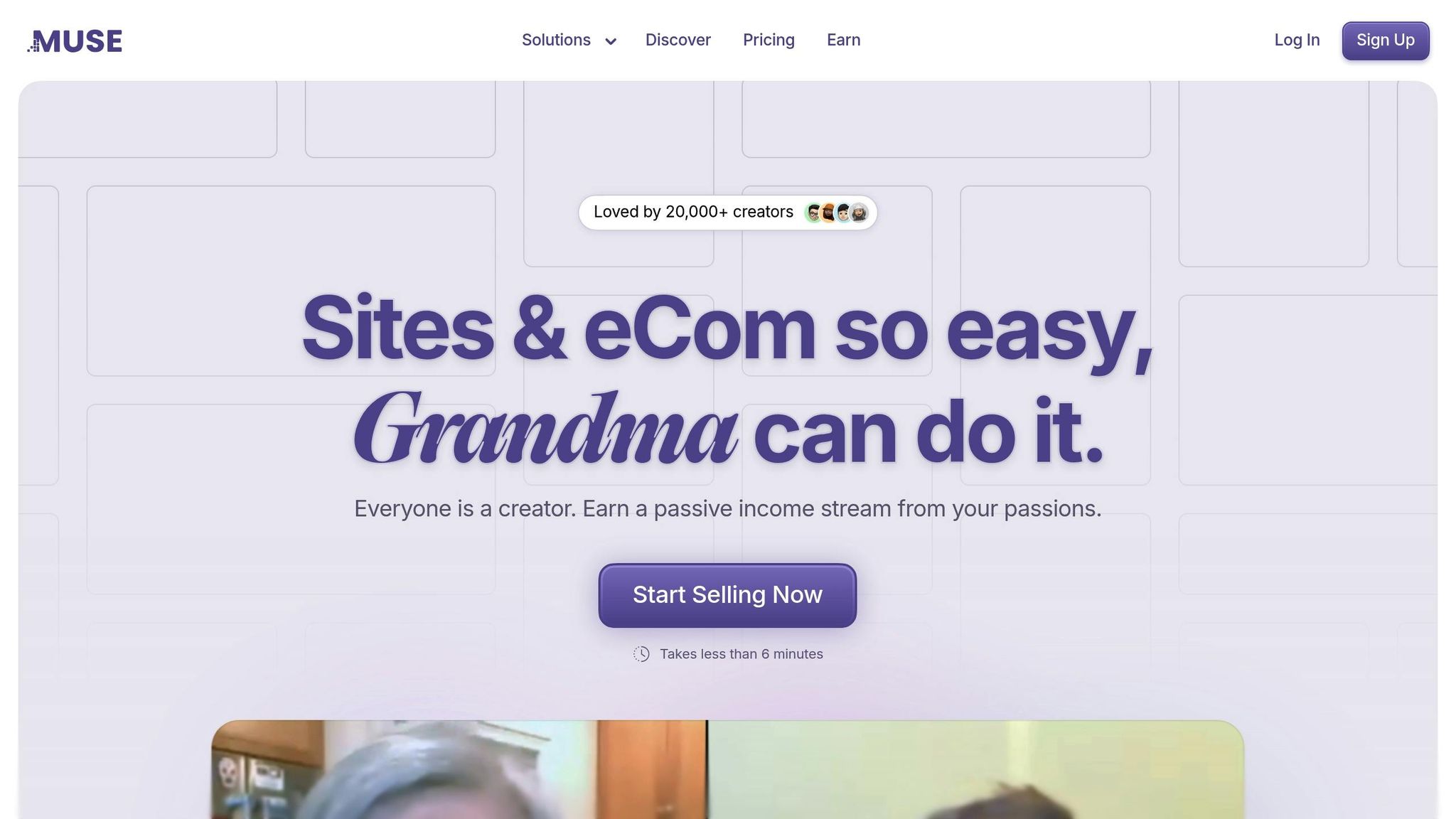
Bring your social channels together and turn them into a sales-driving powerhouse with Muse.
Build Your Muse Website
Create a professional website with Muse's no-code builder and connect your social media in just a few steps.
Here are some standout features that make social integration simple:
Feature | What It Does |
|---|---|
Custom Domain | Helps establish your brand identity |
AI-Powered Builder | Lets you design pages without needing tech skills |
Analytics Dashboard | Monitors how your social channels perform |
SEO Tools | Boosts your site’s visibility in search results |
Unlimited Pages | Grows with your business needs |
"Muse is a fantastic tool for effortlessly creating pages to showcase my work, featuring the most user-friendly builder I've experienced." - Samson Harper, AI-Generated Books, eBook [1]
Once your site is set up, it's time to add e-commerce features.
Launch Your Online Store
After your website is live, start turning visitors into customers. Muse provides everything you need to monetize your platform.
Here’s what you can sell with Muse:
Digital downloads for instant access
Online courses and exclusive member content
Coaching sessions and consultations
Physical products with shipping options
Custom landing pages tailored to each social platform
"Selling on Muse is a breeze. I can customize my pages by just adding & moving blocks. It's great even for beginners." - Milkpack, Products for Creators, Download [1]
Muse offers flexible pricing to fit any stage of your business. Start with the free Basic plan (1GB storage), or upgrade to Premium for $6/month (billed yearly) or Pro for $60/month (billed yearly). Pro users benefit from only 1% transaction fees, compared to 9% on the Basic plan.
The Premium plan, priced at $6/month (billed yearly), includes 10GB storage, priority support, and custom domain options, with a 4% transaction fee - perfect for growing businesses.
Next Steps
Now that you’ve refined your strategy and analyzed your platforms, here’s a simple plan to kick off your social media presence. Focus on 2-3 platforms where your audience is most active.
Document your strategy: Write down your chosen platforms and set clear goals.
Create content tailored to each platform: Adjust your messaging to fit the format and style of each platform.
Set up tracking tools: Monitor key metrics tied to your business objectives.
Build a central hub: Use a Muse website to unify your social media efforts.
Your Muse website can act as the central point connecting all your social media channels. It should tie back to the goals you established earlier, creating a cohesive brand experience. Use the insights from your research to refine your approach as you grow.
Social media changes quickly, so revisit your strategy often. Experiment with different types of content, posting schedules, and engagement methods. Start with Muse’s free Basic plan, and as your social presence grows, consider upgrading to Premium or Pro.
Track your performance using Muse analytics. Adjust your tactics based on what works best for your audience and goals. The key to success lies in staying focused, measuring results, and adapting based on data.
"Muse is a fantastic tool for effortlessly creating pages to showcase my work, featuring the most user-friendly builder I've experienced." - Samson Harper, AI-Generated Books, eBook [1]
"Selling on Muse is a breeze. I can customize my pages by just adding & moving blocks. It's great even for beginners." - Milkpack, Products for Creators, Download [1]
Related posts
Website Builder vs Custom Development: Which to Choose
Best Tools for Creating Digital Products in 2025
Building a Personal Brand: Step-by-Step Guide