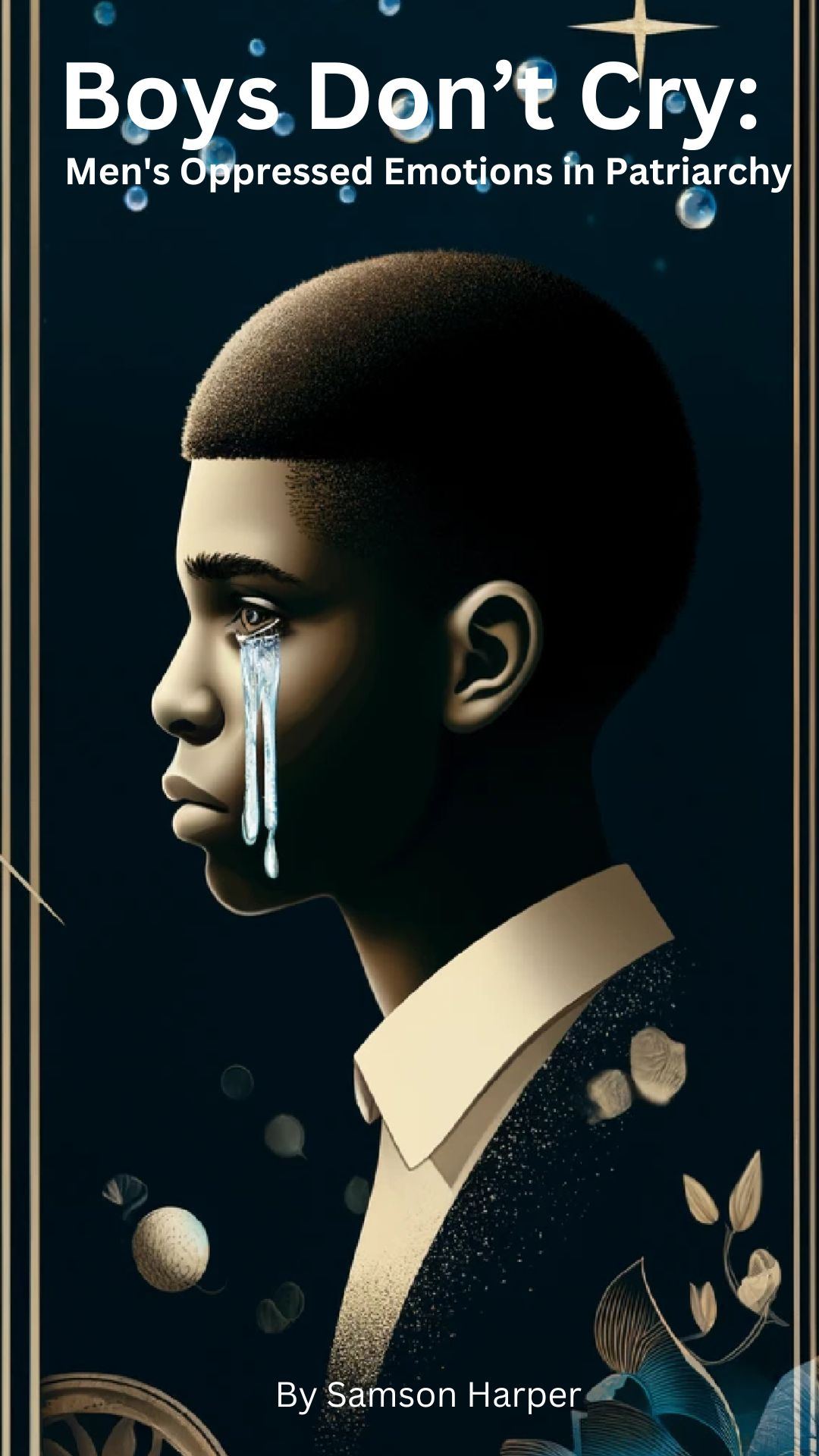
Boys Don't Cry: Men's Oppressed Emotions in Patriarchy
Explore how patriarchy impacts men's emotional health through media and cultural contexts. Delve into themes from Good Will Hunting, the Hulk, and more.
📖Introduction
Welcome to 'Boys Don't Cry: Men's Oppressed Emotions in Patriarchy.' This page delves into the complex and often painful realities men face when forced to suppress their emotions due to societal norms and expectations. By exploring themes depicted in popular media, literature, and social movements, we aim to shed light on emotional repression in men and its far-reaching impacts. From iconic characters like the Incredible Hulk and Will Hunting, to influential movements like the Beat Generation, this page offers a comprehensive examination of how patriarchy shapes and constrains male emotional expression. Join us as we navigate these critical discussions and strive for a world where men can express their vulnerabilities without fear or shame.
💬The Impact of Patriarchy on Men's Emotions

💬The Impact of Patriarchy on Men's Emotions
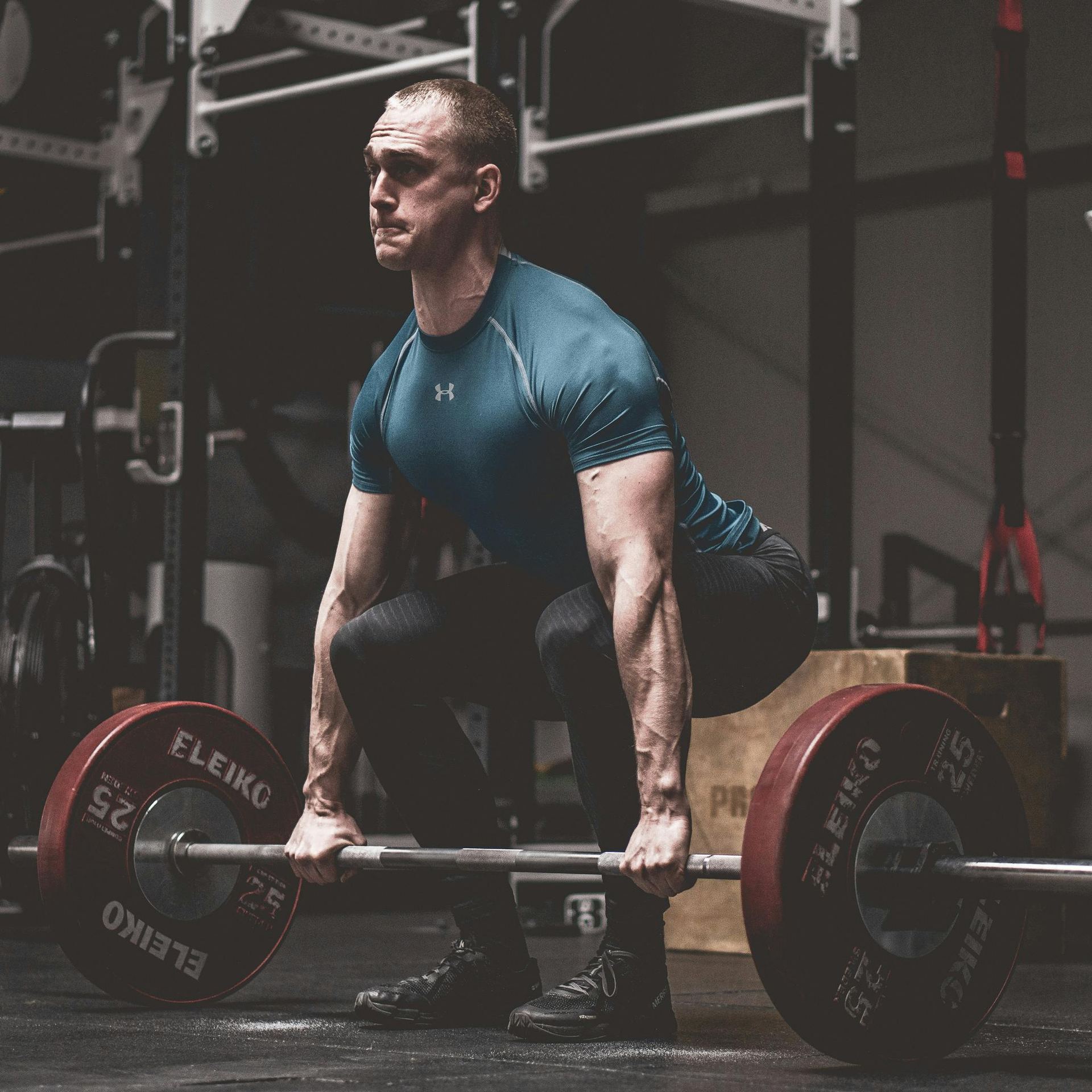
Patriarchy often imposes rigid norms on men, dictating that they must suppress their emotions to conform to societal expectations. These norms are deeply rooted in historical and cultural perceptions of masculinity, which often define manhood through traits such as toughness, assertiveness, and emotional stoicism. As a result, men may struggle with significant internal conflicts, unable to reconcile their natural emotional responses with these external pressures. This emotional suppression not only hinders personal growth but also fosters isolation and alienation, limiting men's ability to form deep, meaningful relationships.
Furthermore, cultural representations in media reinforce these norms, depicting men dealing with emotional pain through violence or isolation. Popular characters like the Incredible Hulk epitomize repressed male anger, demonstrating how society legitimizes anger and aggression as acceptable male responses to emotional distress. Conversely, films like 'Good Will Hunting' delve into the complexities of male vulnerability, showcasing the transformative power of emotional support systems.
Addressing these issues involves recognizing the connection between emotional repression and mental health problems such as depression and anxiety. Encouraging emotional literacy and creating safe spaces for men to express their feelings are crucial steps toward dismantling these harmful norms. By understanding and challenging the patriarchal structures that limit emotional expression, we can promote healthier, more emotionally open lifestyles for men.
📜Historical Perspectives on Masculinity and Emotion
📜Historical Perspectives on Masculinity and Emotion
The historical evolution of masculine ideals has consistently impacted men's emotional expression. Industrialization and capitalism further solidified these ideals by emphasizing productivity, strength, and stoicism. Men were expected to be providers and protectors, roles that reinforced emotional suppression as a sign of resilience and competency. Historical figures and movements, such as the Beat Generation, have challenged these ideals, creating dialogue about the consequences of such repression.
The Beat Generation, with its rejection of traditional norms, provided a space where men could explore and express vulnerability. Key figures like Jack Kerouac and Allen Ginsberg delved into their emotional struggles, revealing the conflict between societal expectations and personal desires. Their works highlighted the crisis of masculinity, the existential search for meaning, and the need for an emotional outlet. These historical perspectives illustrate that men have long grappled with the constraints of patriarchal norms, seeking avenues to express their full emotional range.
Examining the impact of colonialism and imperialism on global perceptions of masculinity further enriches this discussion. Different cultures have different expectations of manhood, and understanding these nuances is critical in addressing the universal struggle with emotional repression. Historical case studies from various eras and regions demonstrate the diverse ways in which men have navigated the interplay between power, masculinity, and emotional suppression. By dissecting these historical layers, we gain a deeper understanding of the roots of male emotional repression and the ongoing efforts to break free from these harmful patterns.