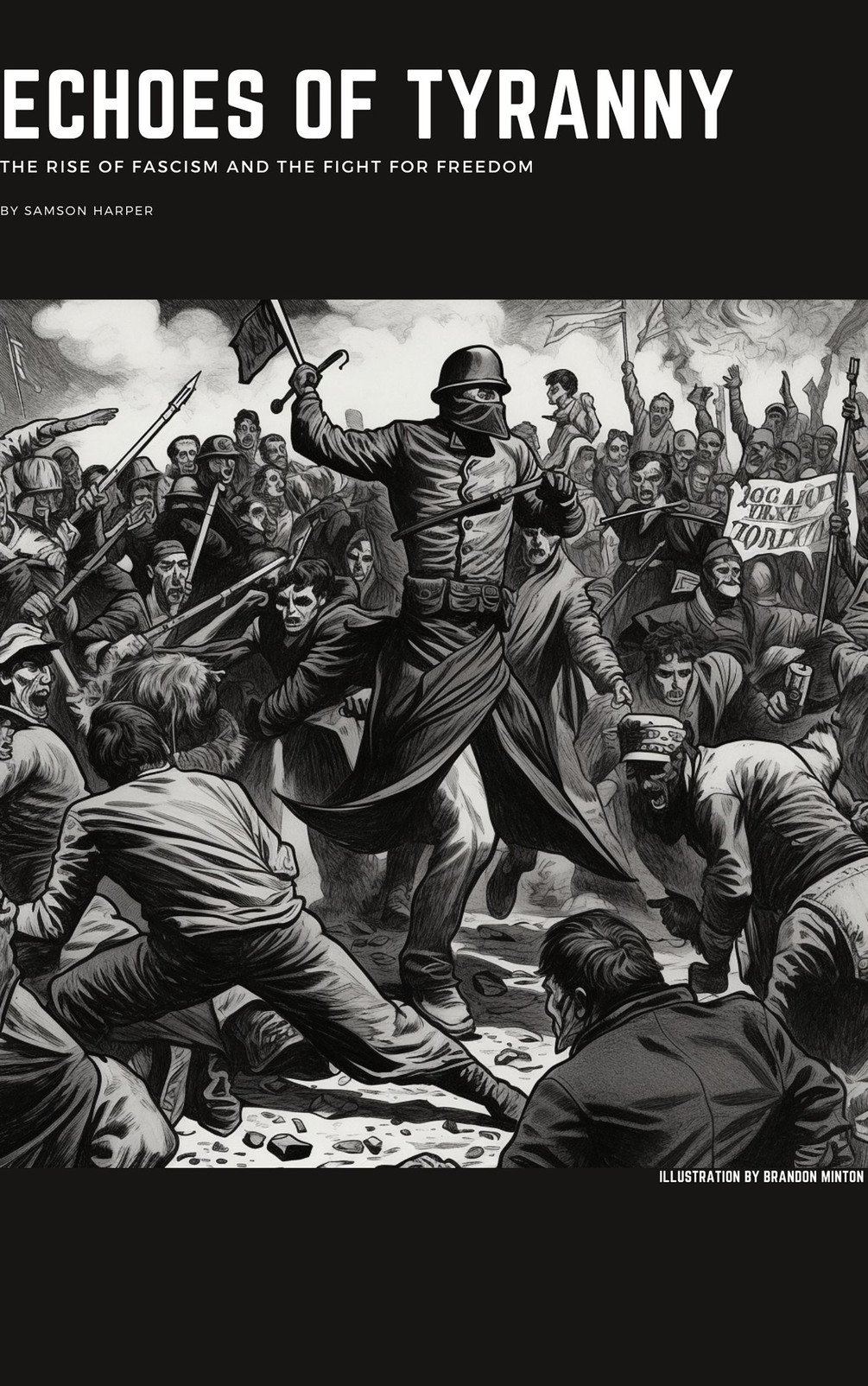
Echos of Tryany: The Rise of Fascism and the Fight for Freedom
Unveil the powerful narratives in 'Echos of Tryany: The Rise of Fascism and the Fight for Freedom.' Learn about the historical context and ongoing fight against authoritarianism.
.jpg&w=96&q=100)
📖Introduction to Echos of Tryany: The Rise of Fascism and the Fight for Free
Echos of Tryany: The Rise of Fascism and the Fight for Freedom is a timely and powerful exploration into the resurgence of fascist ideologies and the relentless struggle for freedom. Through engaging narratives and detailed analyses, this book provides a comprehensive understanding of the historical contexts, economic instabilities, and social dynamics that lead to the emergence of far-right movements. It highlights the critical role of propaganda, nationalism, and charismatic leadership in shaping public opinion and consolidating authoritarian power. Moreover, it delves into the alarming militarization and erosion of democratic institutions within fascist regimes. The book also emphasizes the importance of resistance, international solidarity, and the protection of human rights in counteracting the rise of fascism. This web page serves as your gateway to understanding these pressing issues, presenting excerpts, exclusive content, and insights. Join us as we unravel these historical narratives and their contemporary implications, fostering a community dedicated to vigilance and education against authoritarian threats.
🌐Key Themes Explored in Echos of Tryany
📚Understanding the Rise of Fascism: Main Arguments and Insights
Echos of Tryany: The Rise of Fascism and the Fight for Freedom meticulously dissects the multitude of factors driving the resurgence of fascist ideologies in modern times. One of the primary arguments is the significant impact of economic instability and crises. The book discusses how economic downturns often lead to societal unrest, creating fertile ground for far-right movements to gain traction. It also explores the role of globalization in exacerbating economic disparities and fostering nationalist sentiments. Another key argument is the utilization of propaganda and media manipulation. The book illustrates how authoritarian leaders exploit mass media to influence public opinion, spread misinformation, and maintain control. This manipulation often includes creating an 'us vs. them' narrative to rally supporters and marginalize dissenters. The role of charismatic leadership is also a central theme, highlighting how leaders with authoritarian tendencies use personal appeal to garner mass support and consolidate power. Militarization and the erosion of democratic institutions are alarming aspects of rising fascism. The book examines how regimes employ military force to suppress opposition and how democratic processes are undermined in the pursuit of absolute control. The resultant violence and authoritarianism pose severe threats to the principles of democracy and human rights. Lastly, the book emphasizes the crucial importance of resistance, opposition, and international solidarity. Drawing lessons from historical events and contemporary examples, it underscores the need for collective action, vigilance, and education to counteract fascist movements. Protecting human rights and promoting democratic values are portrayed as essential in building a resilient and just society. Ultimately, Echos of Tryany prompts readers to reflect on these pressing issues and encourages proactive engagement in the fight against authoritarianism, reinforcing the notion that understanding historical patterns is vital in preventing future descents into tyranny.
⚙In-Depth Analysis of Fascism's Components
🔎Deeper Insights into the Dynamics of Fascism
Echos of Tryany: The Rise of Fascism and the Fight for Freedom dives deeper into the interconnected dynamics that give rise to fascist movements. One profound insight is the cyclical nature of economic instability leading to extremist ideologies. The book utilizes historical references from the 20th century to illustrate how economic hardships, such as the Great Depression, paved the way for charismatic yet authoritarian leaders to seize power by promising stability and prosperity. This historical lens helps readers connect past events with contemporary instances of economic-driven nationalist rhetoric. The book also explores the intriguing, albeit dangerous, interplay between nationalism and identity. It explains how national identity can be weaponized to unify a homogeneous group's base while excluding and demonizing perceived 'others.' This tactic not only solidifies support for authoritarian regimes but also creates a convenient scapegoat for societal issues, diverting attention from the regime's failings. Another significant aspect discussed is the strategic use of propaganda and the media. The manipulation of information and controlling narratives becomes crucial for fascist leaders to shape public perceptions and quell opposition. The text examines various historical case studies demonstrating how fascist regimes have controlled media outlets and censored dissenting voices to create an illusion of widespread support. The militarization of society is yet another phenomenon that features prominently in this analysis. The book details how military power is not just used for external defense but is also turned inward to suppress internal dissent, enforce regime policies, and intimidate the populace. Through this, it showcases the gradual but definite shift from a democratic state to a militarized autocracy. Resistance and international solidarity are presented as beams of hope in dark times. Drawing parallels from varied resistance movements, the book articulates the importance of grassroots organizations, international alliances, and unwavering dedication to human rights and democratic principles. It calls readers to remain vigilant, educated, and active in defending these values to ensure that history does not repeat itself in the form of modern-day fascism.