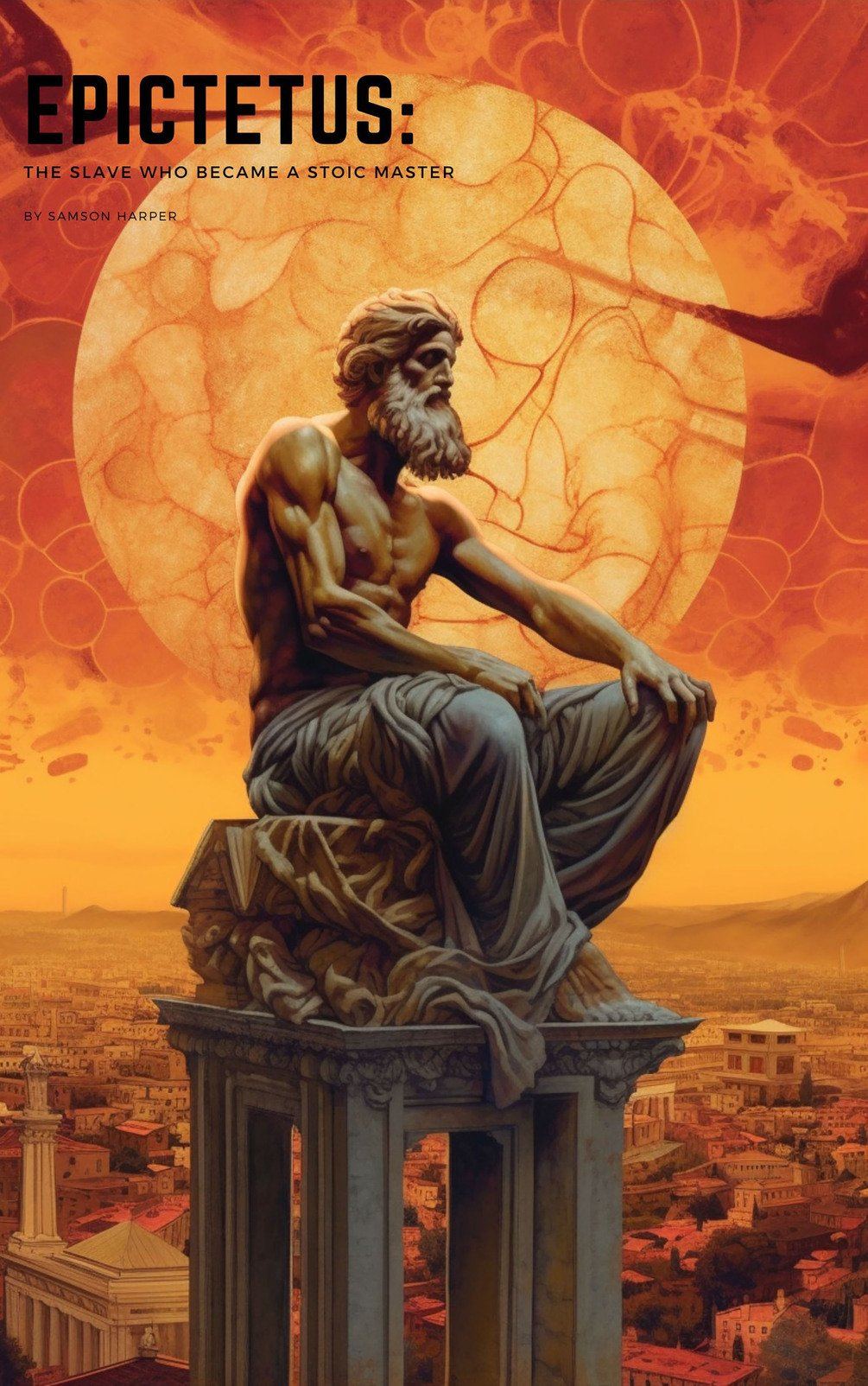
Epictetus: The Slave Who Became a Stoic Master - By Samson Harper
Discover the life and teachings of Epictetus in this thorough exploration by Samson Harper. Analyze control, freedom, virtue, and the enduring influence of Stoicism.
📚Detailed Exploration of Epictetus's Teachings in 'The Slave Who Became a St
In "Epictetus: The Slave Who Became a Stoic Master," Samson Harper offers an in-depth examination of Epictetus's core teachings and philosophies. The book dives into the Stoic principles Epictetus championed, focusing on the concepts of control and freedom. One of Epictetus's most famous dictums is that while we cannot control external events, we can control our reactions to them. This fundamental idea is explored through various lenses, demonstrating its relevance in achieving personal freedom and inner peace.
The book also addresses Epictetus's views on virtue as the highest good and how living virtuously leads to a fulfilling life. Harper discusses the emotional resilience Epictetus advocated, emphasizing the importance of maintaining equanimity in the face of life's challenges. The subject of death, another central theme in Stoic philosophy, is presented with profound insight, highlighting how accepting mortality can liberate us from fear and anxiety.
Furthermore, Harper scrutinizes Epictetus's logical methodology, which serves as a framework for rational decision-making and ethical behavior. By examining the practical applications of these teachings, the book illustrates their enduring impact, not just on later philosophers like Marcus Aurelius and Seneca, but also on modern psychological practices and today's self-help movements. Through meticulous analysis and engaging narratives, "Epictetus: The Slave Who Became a Stoic Master" reveals the timeless wisdom of Stoicism and its significance in contemporary life.
📘Introduction to Epictetus: The Slave Who Became a Stoic Master
Welcome to the official splash page for "Epictetus: The Slave Who Became a Stoic Master" by Samson Harper. This compelling book takes you on an insightful journey through the life and teachings of Epictetus, a slave who rose to become one of the most influential Stoic philosophers of all time. In this text, Harper meticulously explores Epictetus's profound insights into control, freedom, virtue, emotions, death, and logic. The book not only delves into his philosophical teachings but also demonstrates their practical applications in today's world. You'll learn about the lasting impact of Epictetus on later philosophers, modern psychology, and contemporary self-help practices, illustrating just how relevant Stoicism remains. Whether you're a seasoned philosopher or someone looking to improve your self-understanding and inner peace, "Epictetus: The Slave Who Became a Stoic Master" offers valuable lessons and timeless wisdom. Enjoy your journey into Stoic philosophy and discover the enduring legacy of Epictetus.
🌟Enduring Influence of Epictetus
🧠Further Insights into Epictetus's Philosophy and Influence
Samson Harper's book, "Epictetus: The Slave Who Became a Stoic Master," provides readers with not just the foundational aspects of Epictetus's teachings, but also a detailed look at how these principles have permeated various disciplines over time. Stoicism, as presented by Epictetus, is not merely an antiquated school of thought but a living philosophy that continues to inspire and guide individuals in modern times.
One of the key areas Harper delves into is the profound influence of Epictetus on notable philosophers such as Marcus Aurelius and Seneca. Harper sheds light on how these thinkers incorporated Epictetus's insights into their works, thereby enriching their own contributions to philosophy. Additionally, the book explores the remarkable intersection of Stoic principles with modern psychology, particularly in the context of cognitive-behavioral therapy (CBT). Epictetus's emphasis on recognizing and reframing unhelpful thoughts directly aligns with CBT practices that therapists use today to help people manage anxiety and depression.
Furthermore, Harper draws parallels between Epictetus's teachings and current self-help methodologies, showcasing how the timeless wisdom of Stoicism can be applied to enhance personal development and well-being. Readers will find practical advice on how to implement these Stoic techniques in their daily lives to build resilience, foster a sense of control, and achieve greater emotional stability. By reflecting on these enduring principles, Harper's book illustrates the ongoing relevance and adaptability of Stoic philosophy in addressing the challenges of contemporary existence.