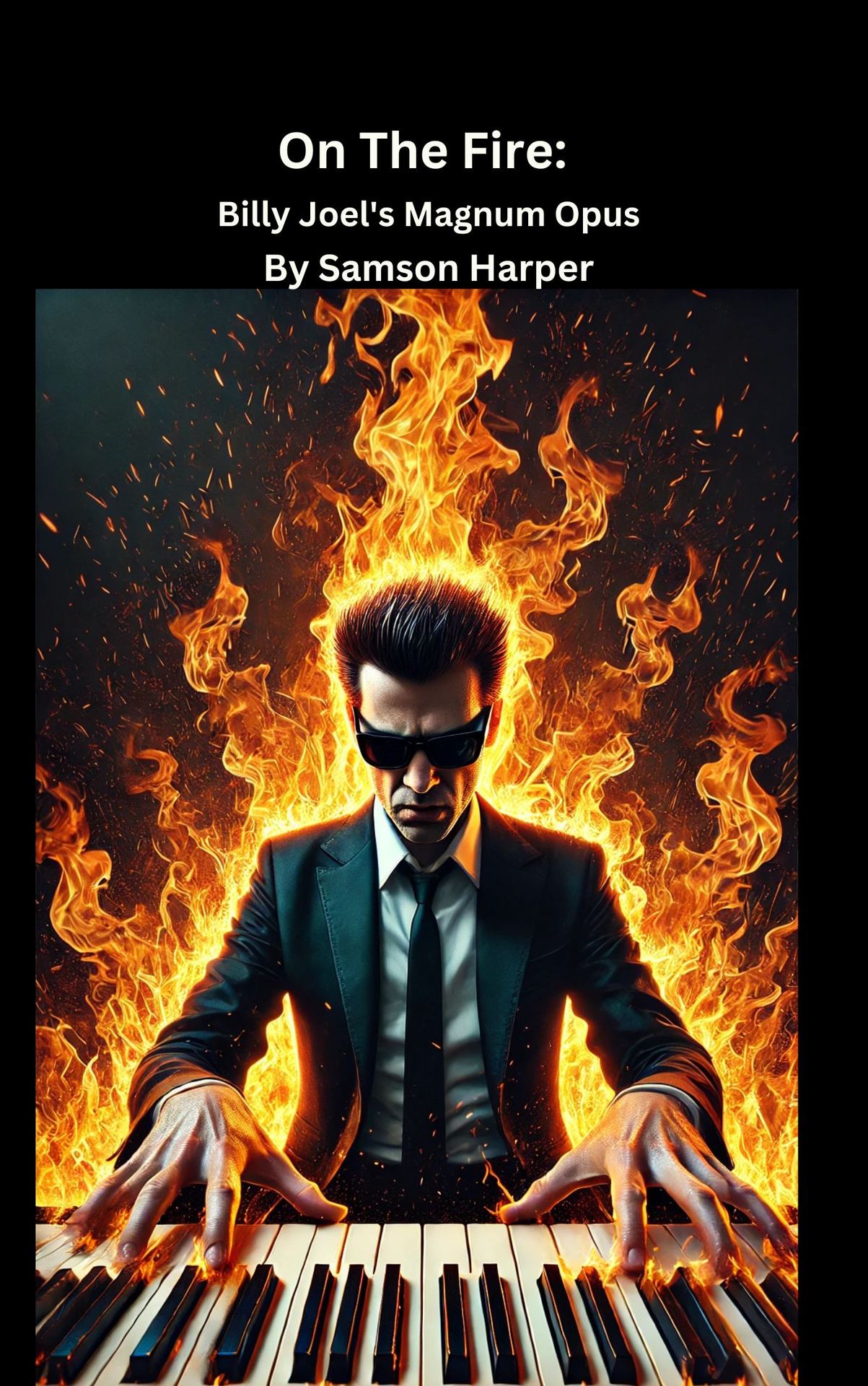
On The Fire:
Billy Joel's Magnum Opus

🔥The Impact of 'We Didn't Start the Fire'
Billy Joel's "We Didn't Start the Fire" stands as one of the most iconic and ambitious songs in pop music history. Released in 1989, this anthem not only captures the essence of the tumultuous 20th century but also serves as a powerful reflection on how historical events shape our present. As it darts through major milestones from 1949—when Joel was born—to 1989, the song offers a rapid-fire overview that blends musical artistry with historical commentary. This page is dedicated to exploring the layers of meaning behind the song, analyzing each reference that Joel made, and providing context for these pivotal moments in history. Readers can expect to uncover deep insights into how these events have influenced contemporary culture and society. Furthermore, the exploration reveals how Joel's work stands as a testament to the ongoing nature of history, demonstrating the interconnectedness of people, events, and ideas across time. Join us on this journey as we explore not just the song's lyrics, but the burning significance of the fire that continues to illuminate our shared human experience.
🔥Historical Significance and Cultural Impact
📜A Closer Look at the Lyrics and Events
"We Didn't Start the Fire" is constructed as a whirlwind tour through notable historical events, cultural milestones, and influential figures, all packed into a concise three-minute format. This musical journey challenges listeners to reflect on the tumult of the 20th century, illustrating how history often follows a cyclical path, with issues resurfacing across generations.
One of the most striking aspects of the song is its ability to evoke emotional resonance while providing an educational experience. From political turmoil to advancements in science, each line serves as a trigger for nostalgia and awareness. For example, names like Albert Einstein and events such as the birth of rock 'n' roll encapsulate the innovations and ideologies that defined the era. The juxtaposition of diverse references—from the Vietnam War to the cultural explosion of the 1960s—highlights the interconnectedness of these moments in a global narrative.
Joel’s riveting delivery and the energetic tempo seduce listeners, but the lyrical content demands attention and contemplation, making it a perfect example of how pop culture can serve as a vehicle for historical discourse. The craftsmanship in lyricism unfolds layers of context, revealing the ongoing struggles humanity faces. This prompts the audience not just to remember the past but to recognize their role within the current narrative, evoking a sense of shared responsibility for the future. Thus, it reinforces the provocative message that while we may not have started the fire, we certainly hold the power to influence its continuation.
This song resonates with people across various demographics, cementing its status as an anthem of remembrance. Its historical references serve as a reminder of influential moments that shaped societies around the globe, promoting discussions about their lasting impact and relevance today. The song fortifies the notion that history is not merely a record of past events but is an evolving story reflecting human experiences, struggles, and triumphs.
🔥Understanding Joel's Intent and Societal Impact
🔥The Evolution of Billy Joel's Message
Billy Joel's "We Didn't Start the Fire" can also be viewed as a lens through which to evaluate the evolution of societal issues across four decades. Each reference in the song not only signifies its time but also serves as both context and commentary on the enduring influence of these events. For instance, referencing figures like Martin Luther King Jr. and events like the Kent State shootings illustrates the civil rights struggles that defined the 1960s and 1970s, showing how these issues still pulsate within contemporary discourse.
Interestingly, Joel has mentioned in interviews that his intent wasn't solely to provide a history lesson; rather, he aimed to provoke thought and discussion. The song's relentless pace is designed to encapsulate the overwhelming nature of ongoing challenges, suggesting that while we may be aware of our history, the lessons learned are often not reflected in contemporary actions. The rapid-fire format mirrors the bombardment of information that society faces today, making it relevant to modern audiences who navigate an ever-changing world.
Moreover, the cyclical nature of history plays a vital role in the song’s narrative. Events do not merely exist in isolation; they contribute to a continuum that informs future generations. As listeners reflect on the litany of historical icons and moments, it becomes clear that the past shapes our present and influences the trajectory towards a shared future. Joel's call to awareness is timeless, pressing us to confront our legacy and recognize our agency in continuing this narrative.
The song’s popularity has encouraged educational discussions within classrooms and beyond, captivating generations to think critically about history. "We Didn’t Start the Fire" is not just a melody to be enjoyed; it is a provocation to understand, learn, and act—a testament that the fire of history keeps burning, impacting the new eras that follow.