Dive Deep into Plato's Philosophy and Its Lasting Impact
Unlock the profound theories of Plato with 'The Platonic Ideal.' Gain insights into his ideas, ethics, and influence on modern thought. Perfect for students, philosophers, and enthusiasts alike.
.jpg&w=96&q=100)
📘Introduction and Summary
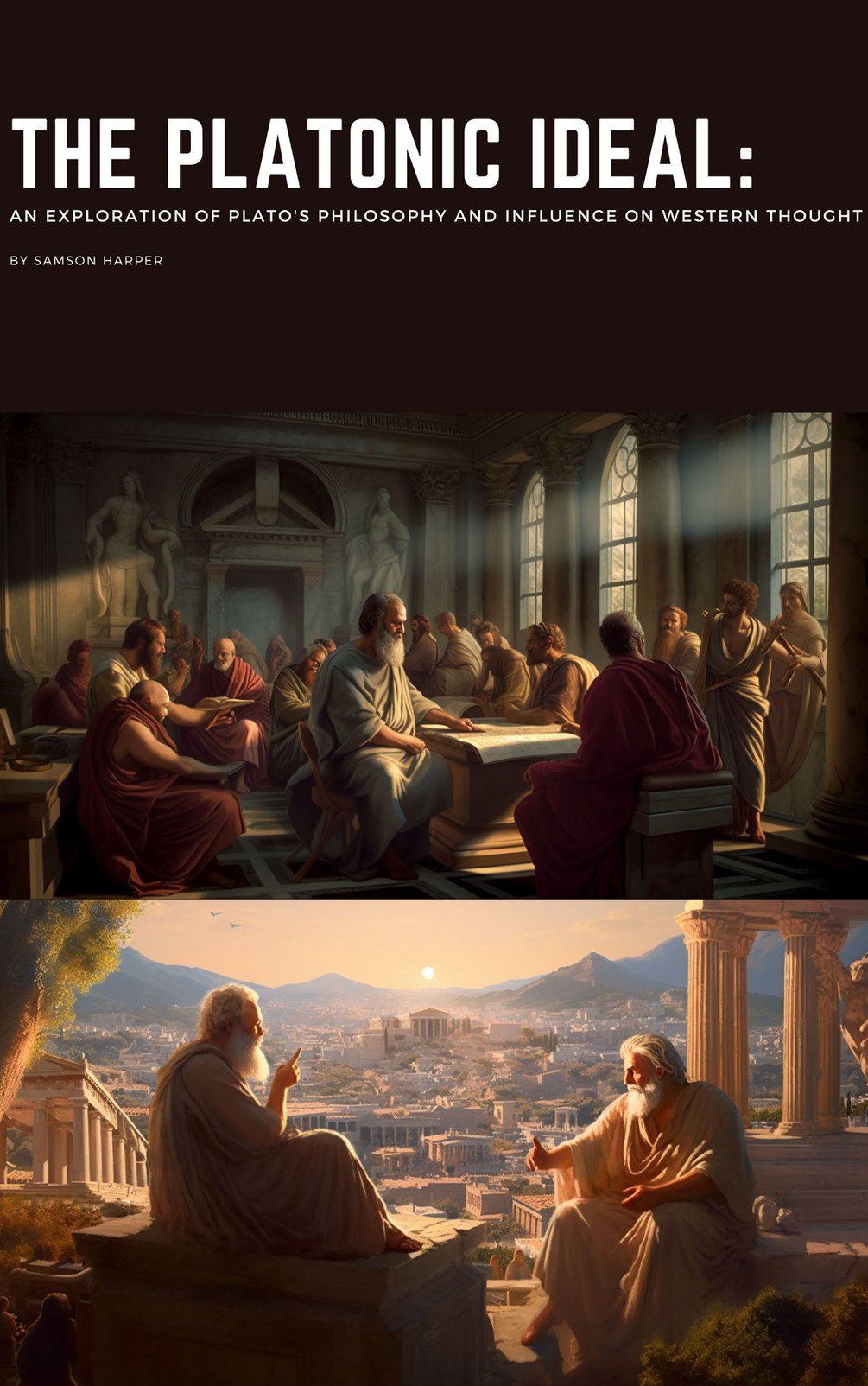
Welcome to the exploration of Plato's profound philosophy with 'The Platonic Ideal: An Exploration of Plato's Philosophy and Influence on Western Thought.' This enlightening book by Samson Harper offers an in-depth analysis of Plato's life, his major philosophical theories, and their enduring impact on Western philosophical thought. From the foundational Theory of Forms to the intricate discussions of ethics, virtue, and political philosophy, the book delves deeply into every aspect of Plato's contributions. Key sections cover Plato's theory of knowledge, the role of reason, and the famous allegory of the cave, along with his ideas about reality, the soul, and divinity. The text also critically examines how Plato's philosophy influenced subsequent thinkers and the ongoing relevance in modern contexts, such as contemporary ethical debates and political theories. Whether you're a student, philosopher, or simply curious about the roots of Western thought, this book promises to be a compelling read. Get ready to immerse yourself in the timeless wisdom of Plato and explore the enduring legacy of one of history's greatest philosophers.
✨Detailing Plato's Philosophy and Its Core Concepts
✨Detailing Plato's Philosophy and Its Core Concepts
'The Platonic Ideal: An Exploration of Plato's Philosophy and Influence on Western Thought' meticulously unpacks the intricate aspects of Plato's philosophical contributions. The first major area of focus is his Theory of Forms, which posits that the material world is a shadow of an immaterial, more real realm of forms or ideas. This concept underpins much of his other work, including his ideas on ethics and virtue. In 'The Republic,' Plato discusses the ideal state and the philosopher-king, arguing that rulers should be wise and virtuous to create a just society.
Another pivotal concept is Plato’s theory of knowledge, where he introduces the Allegory of the Cave. This allegory illustrates the philosopher's journey from ignorance to enlightenment, symbolizing the ascent from the deceptive shadows of empirical reality to the clear light of true knowledge and understanding. Plato’s metaphysics delves into the nature of reality, the soul's immortality, and the notion of an intelligible world beyond physical appearances.
Plato's influence doesn’t end with his own time; his ideas have significantly shaped Western philosophical thought. From Aristotle to contemporary thinkers, Plato's contributions have been debated, critiqued, and built upon, shedding light on various aspects of existence and human life. This text critically examines both the support for and the criticisms of his ideas, offering a balanced view of his philosophical legacy.
🔍Influence and Relevance of Plato's Philosophy
🔍Influence and Relevance of Plato's Philosophy
Plato's philosophy has cast a long shadow on Western thought, influencing a diverse array of disciplines from ethics to politics. The book thoroughly examines how his ideas have permeated through subsequent centuries, impacting great minds such as Aristotle, Augustine, and even modern philosophers like Nietzsche and Heidegger. One core aspect is Plato’s ethical philosophy, which suggests that living a virtuous life leads to ultimate happiness and fulfillment. This notion has sparked endless debates in moral philosophy and continues to influence contemporary ethical discussions.
The book also explores Plato's political philosophy within the framework of modern governance and ethics, showing how concepts from 'The Republic' can be seen in today’s discussions about just societies and good governance. Moreover, Plato's metaphysical ideas about the nature of reality and the soul offer a fascinating perspective on questions of existentialism and spirituality.
In addition to philosophical discourse, Plato’s allegorical methods—such as the Allegory of the Cave—continue to serve as powerful tools for teaching complex ideas, emphasizing the importance of seeking true knowledge beyond mere sensory experiences. This book not only brings these enduring concepts to light but also challenges readers to reflect on their ongoing applicability in our modern world.