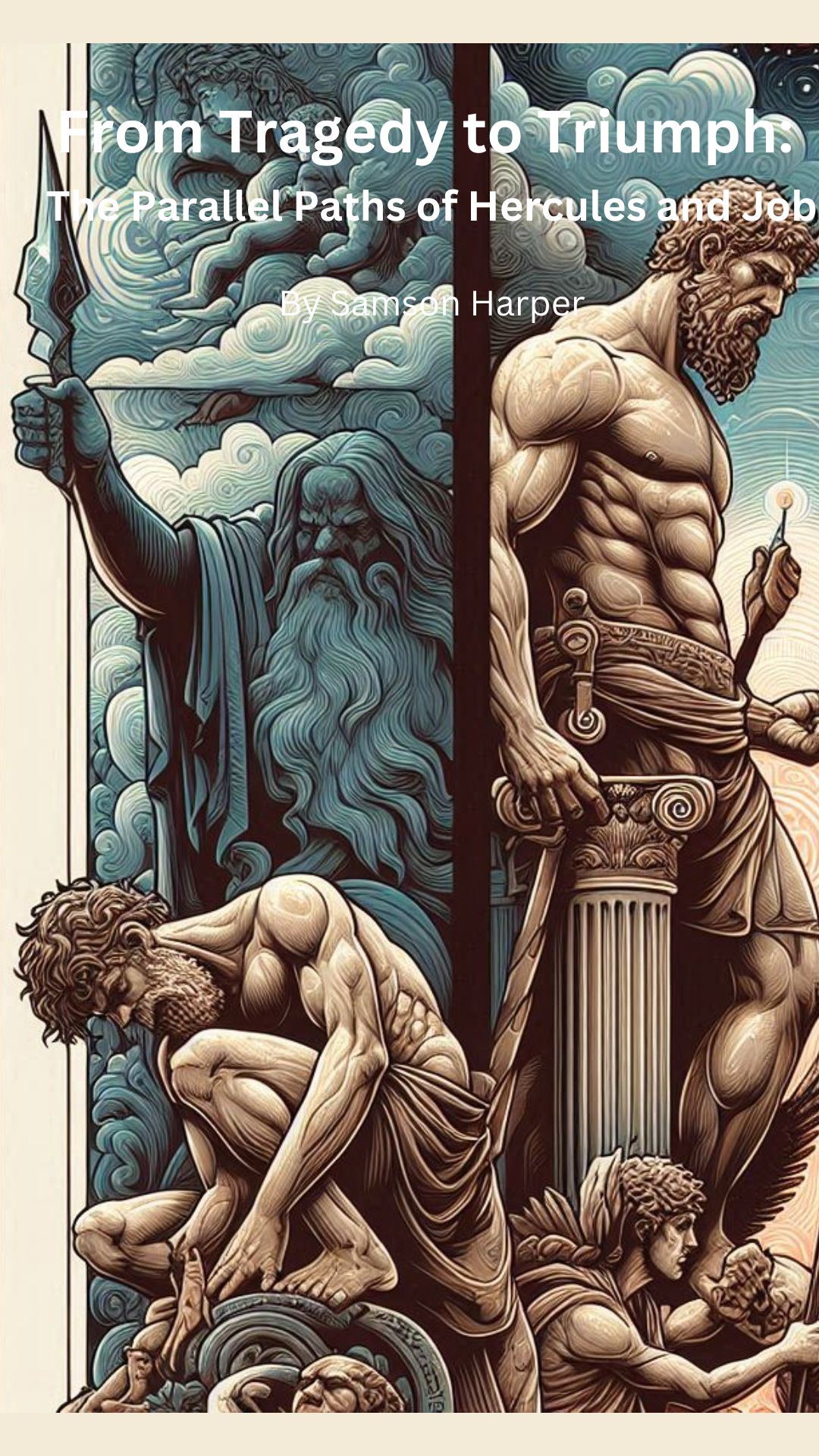
📜Introduction to Hercules and Job's Parallel Journeys
In the vast tapestry of human storytelling, the tales of Job from the Hebrew Bible and Hercules from Greek mythology stand out for their deep themes of suffering, endurance, and redemption. Despite originating from vastly different cultures and epochs, both figures embark on profound journeys filled with divine challenges and mortal trials. This page delves into their contrasting yet intriguingly parallel paths, providing insights into human resilience and the intricate dance between fate and personal fortitude. Explore how Hercules, the embodiment of heroic action, and Job, the epitome of unwavering faith, illuminate universal truths about overcoming adversity and achieving redemption. Here, we celebrate their stories, finding lessons that continue to resonate, inspire, and guide us through our own challenges.
🛡Hercules' Twelve Labors: Trials of Strength and Redemption
🌟Detailed Examination of Hercules and Job's Trials
The narrative journeys of Hercules and Job offer a wealth of insights into the human experience of suffering and redemption. Hercules, a demi-god born of Zeus and a mortal woman, is perhaps best known for his Twelve Labors—acts of heroism and strength designed to purge him of past misdeeds. Each labor presents Hercules with physically and morally daunting tasks, from slaying the Nemean Lion to capturing the Golden Hind. His story is one of active engagement, battling both monsters and his own inner turmoil to achieve redemption.
Conversely, Job, a wealthy and pious man, suffers devastating losses orchestrated by divine wager. Stripped of his family, wealth, and health, Job endures without cursing his fate, his story showcasing passive suffering steeped in unwavering faith. Unlike Hercules, Job’s trials manifest not in physical confrontations but in spiritual endurance and profound faith amidst adversity.
At first glance, Hercules and Job appear to navigate divergent roads—Hercules through dynamic heroism and Job through quiet endurance. Yet, both characters illustrate the universal themes of resilience and redemption. Their journeys highlight the complex interplay between divine influence and human agency, and their tales serve as powerful, enduring narratives that continue to offer rich, contemplative insights.
Unpacking these stories allows us to appreciate how different forms of suffering and subsequent redemptive arcs contribute to a broader understanding of human resilience, perseverance, and the quest for meaning. Whether through Job's spiritual revelations or Hercules' heroic endeavors, these narratives affirm the indomitable spirit of humanity.
🔍Reflections on Human Resilience Through Myth and Scripture
⚖Contrasting Hercules' Heroism with Job's Faith
To further delve into the contrasting yet parallel narratives of Hercules and Job, it's essential to consider the nature of their respective suffering and triumphs. Hercules’ challenges are emblematic of overcoming external threats—a series of extraordinary labors imposed to expiate his crimes, each test crafted to push the limits of his physical and mental prowess. The Twelve Labors, including feats like cleaning the Augean stables and capturing Cerberus, symbolize the struggle against chaos and the quest for personal redemption through action and valor.
In stark contrast, Job’s ordeal is a test of internal resilience. His suffering is not the result of personal failings but rather a divine test of faith. Job loses his children, his wealth, and his health, yet he maintains his integrity and faith in the divine plan. This passive form of endurance highlights an unwavering belief in ultimate justice and a deeply spiritual journey through pain.
The juxtaposition of these two approaches to suffering—Hercules' proactive heroism and Job's passive endurance—speaks to the broader human experience. They embody different paths to overcoming despair: one through bold deeds, the other through steadfast faith. Their stories remind us that while the forms of our struggles may differ, the essence of resilience lies in confronting and transcending adversity, whether through action or faith. Together, Hercules and Job offer a comprehensive lens on the potential for redemption and the enduring strength of the human spirit.