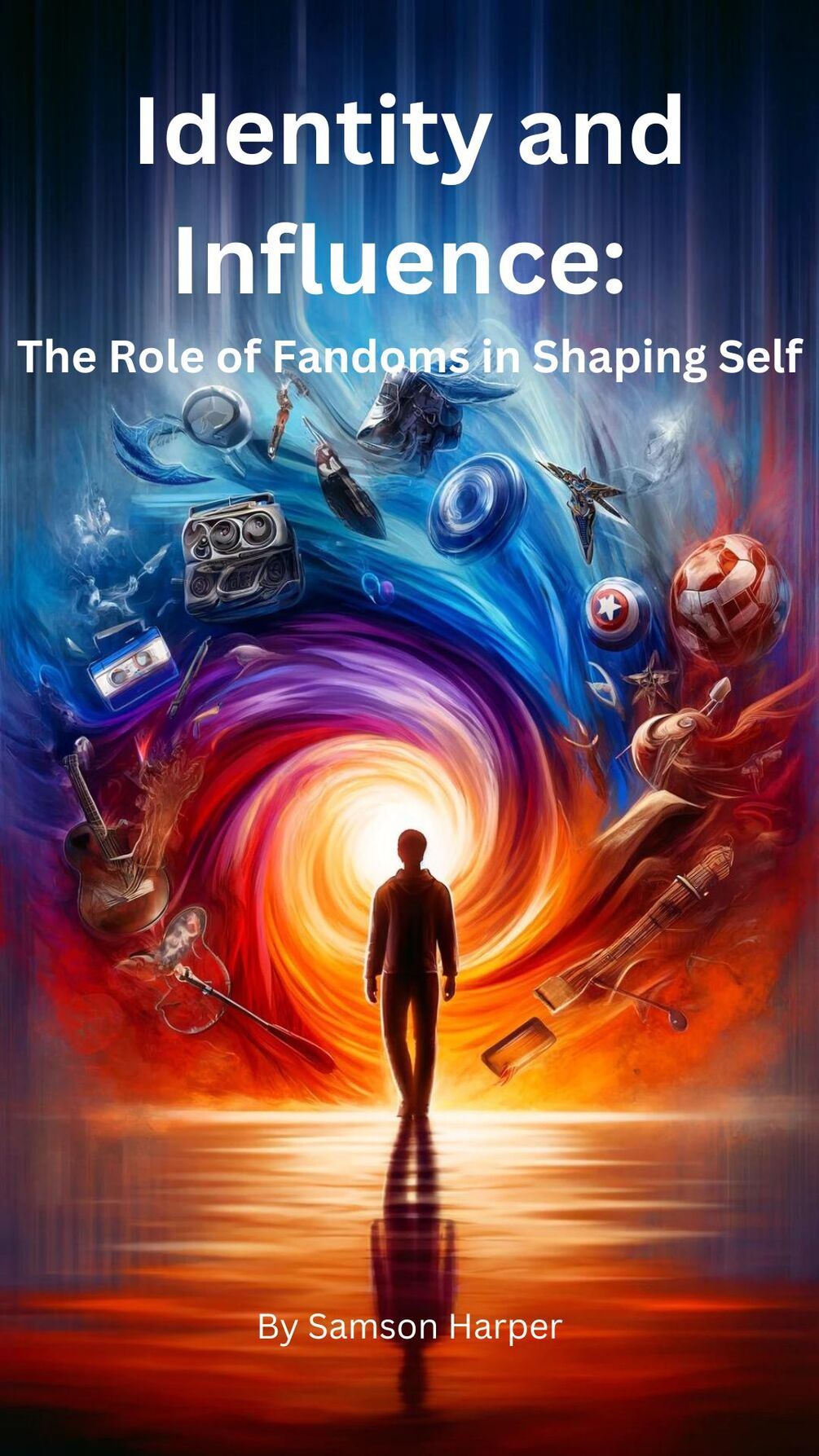
Identity and Influence:
The Role of Fandoms in Shaping Self

📚Introduction to Fandoms and Identity
Welcome to a deep dive into the fascinating world of fandoms and its profound impact on our identities. In Samson Harper's seminal work, 'Identity and Influence: The Role of Fandoms in Shaping Self,' the author traverses through iconic narratives like 'Star Wars' and 'Harry Potter' to unravel how deeply these stories embed into our lives. Far beyond mere entertainment, Harper explores how these beloved fictional worlds can influence our real-world choices, our views on morality, relationships, and even our daily decisions. As fans, the characters and stories we cherish become intertwined with who we are, shaping our personal identities and collective culture. Whether you're a lifelong fan or new to these narratives, this book offers invaluable insights into the symbiotic relationship between our cultural consumption and self-formation. Glamorous realms, epic battles, and magical adventures await to reveal untold truths about ourselves. Get ready to explore how the lines between reality and fiction blur, making 'Identity and Influence' a must-read for anyone curious about the hidden power of fandoms.
🧩Main Arguments of Identity and Influence
🌟The Importance of Fandoms in Modern Society
Fandoms have emerged as significant cultural phenomena in modern society, shaping not only entertainment consumption but also personal identity and community dynamics. Here are some reasons why fandoms are crucial today:
Cultural Unifiers: Fandoms bring together individuals from diverse backgrounds, creating a shared cultural experience that transcends geographical and social boundaries. This fosters a sense of global community and understanding.
Personal Development: Engaging in fandom activities often leads to personal growth, as fans delve deeper into the narratives and characters they love. This engagement can nurture creativity, critical thinking, and empathy.
Social Networks: Fandoms serve as a foundation for building social networks and forming friendships. These connections can offer emotional support and a sense of belonging, which is especially valuable in today's digital age.
Empowerment: Being part of a fandom can be empowering, giving individuals a voice and a platform to express their passions and opinions. This can lead to greater self-confidence and agency.
Economic Impact: Fandoms also have a substantial economic impact, driving consumer spending on merchandise, events, and media. This, in turn, fuels the entertainment industry and supports creative professionals.
Understanding the role of fandoms in shaping identity and society underscores the importance of these communities in our lives. Samson Harper's 'Identity and Influence' provides an insightful analysis of this dynamic, highlighting the profound ways in which fandoms influence who we are and how we interact with the world around us.
🧩Main Arguments of Identity and Influence
In 'Identity and Influence,' Samson Harper dissects how the entertainment we consume plays a pivotal role in shaping our identities. Here are some core arguments presented in the book:
Interweaving Narratives and Self-Identity: Harper posits that the stories we consume are not just escapist fantasies but integral to our personal narratives. For fans of 'Star Wars,' for instance, the hero's journey may resonate with their own life challenges and ambitions, deeply imprinting on their self-concept.
Moral and Ethical Influence: The moral dilemmas and ethical landscapes of fictional worlds like 'Harry Potter' guide many fans in their real-life decision-making. The stories provide a framework for understanding complex moralities, which fans often translate into their own lives.
Community and Belonging: Fandoms create a sense of community, allowing individuals to find like-minded peers who share their passions. This sense of belonging strengthens one’s identity, confirming and reinforcing values and interests through social interaction.
Role Models and Aspirations: Characters from beloved franchises serve as role models, influencing fans’ aspirations and behaviors. The virtues of bravery, loyalty, and resilience seen in these characters become qualities that fans aspire to embody.
Cultural Reflection and Critique: Lastly, Harper argues that popular narratives offer a mirror to our own societal issues and cultural values, encouraging fans to reflect and sometimes critique the world around them. This reflective process aids in forming a more nuanced self-identity.
By highlighting these main points, Harper effectively shows that the entertainment we consume profoundly impacts who we are, making 'Identity and Influence' an essential read for anyone looking to understand the powerful connection between fandoms and self-identity.
🔍Deep Dive: How Fandoms Shape Identity
🔍Deep Dive: How Fandoms Shape Identity
Samson Harper’s 'Identity and Influence' dives deep into the mechanisms through which fandoms shape personal identities and collective culture. Here are a few ways Harper explains these intricate connections:
Narrative Immersion: Harper argues that the immersive nature of compelling narratives allows fans to live vicariously through their favorite characters. This immersion helps in the development of empathy and a broadened understanding of diverse perspectives, enhancing self-awareness and personal growth.
Symbolic Interaction: Drawing from symbolic interaction theory, Harper explains how fans assign personal meanings to elements within their favorite narratives. Symbols like the Jedi Order or the Hogwarts House become integrated into the fans' self-concept and social identity, fostering a unique sense of belonging and self-expression.
Rituals and Traditions: Participatory culture, including fan rituals and traditions such as fan conventions, cosplay, and fan art, strengthens communal bonds. These activities create shared experiences that validate personal identity and reinforce group solidarity.
Role-Playing and Experimentation: Harper discusses how role-playing within fandoms allows individuals to experiment with different aspects of their persona, providing a safe space for exploring identity, and gaining self-confidence. This aspect of fandom cultures is especially significant for youth in their formative years.
Resistance and Empowerment: Finally, Harper delves into how fandoms can be sites of resistance against societal norms and injustices. Fans often use their platforms to challenge prevailing narratives and advocate for social change, demonstrating the empowering potential of being part of a fandom.
Through these points, Harper elucidates how fandoms are much more than a pastime—they are instrumental in shaping identities, fostering community, and even driving social change. 'Identity and Influence' thus offers a nuanced analysis, making it essential reading for those interested in the intersection between culture and self-identity.