Unveil Kierkegaard's Philosophical Mastery
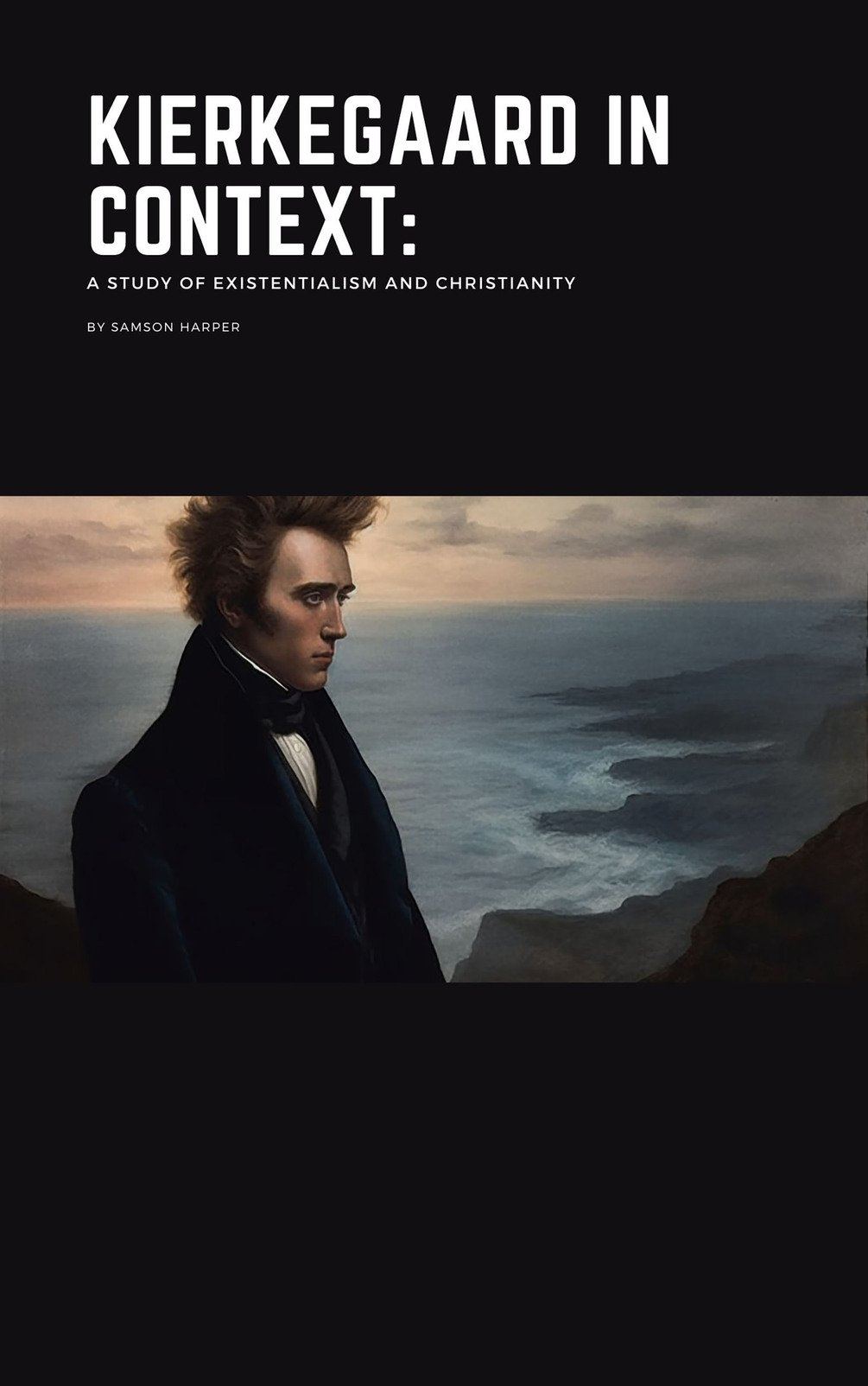
Dive deep into existentialism and Christianity with 'Kierkegaard in Context: A Study of Existentialism and Christianity'. Explore themes of individuality, faith, and personal responsibility.

📚Introduction
Welcome to the exploration of Søren Kierkegaard, a pioneer of existentialist philosophy and a profound thinker in Christian theology. Our book, 'Kierkegaard in Context: A Study of Existentialism and Christianity,' is designed to immerse you in the intricate and fascinating world of Kierkegaard's thoughts. This comprehensive study delves into his life, philosophy, and enduring legacy, offering readers a thorough understanding of his impactful ideas. By examining Kierkegaard's focus on individuality, faith, and subjective truth, along with his critical stance on established religious institutions, this book paints a vivid picture of his philosophical landscape. Join us as we navigate through Kierkegaard's ethical philosophy, his notion of personal responsibility, and the ever-present theme of despair in human existence. We will also explore his influence on various fields, including philosophy, literature, and theology, and discuss the relevance of his ideas in today's world. Whether you are a student of philosophy, a curious reader, or someone looking to apply Kierkegaard's insights to your life, this page is your gateway to understanding one of the most important thinkers of the 19th century.
🔍Main Arguments and Themes
In 'Kierkegaard in Context: A Study of Existentialism and Christianity,' several main arguments and themes are presented, providing a detailed analysis of Kierkegaard's philosophy. A significant emphasis is placed on individuality, where Kierkegaard argues that true understanding and genuine existence come from embracing one's unique self and subjective experiences. This is intricately linked to his interpretation of faith, where he proposes that faith is not a matter of dogma but an intense personal commitment, exemplified by the 'Knight of Faith' who transcends ethical norms to embrace a higher spiritual mission. Another central theme is Kierkegaard's critique of established religious institutions, which he believed often stifled true personal belief and spirituality in favor of rigid doctrines and superficial practices. Through a nuanced examination of despair, Kierkegaard's ethical philosophy reveals the notion of personal responsibility, arguing that individuals must confront their own anxieties and uncertainties to achieve true self-awareness and authenticity. The book also discusses Kierkegaard's profound influence on subsequent philosophical thought, literature, and theology. His ideas resonate in the works of later existentialist thinkers like Jean-Paul Sartre and Martin Heidegger, and they continue to provide valuable insights into contemporary discussions on the human condition. By interweaving these themes, the book advocates for the enduring relevance of Kierkegaard's thought in today's quest for meaning and understanding in personal and professional lives.
🔎A Deeper Dive into Kierkegaard
📖Further Exploration
'Kierkegaard in Context: A Study of Existentialism and Christianity' not only delves into the primary themes and arguments of Kierkegaard's philosophy but also offers a broader exploration of his impact and the continuing relevance of his ideas. The book takes readers on a journey through Kierkegaard's literary style, which combines philosophy, theology, and poetic imagination, making his works unique and compelling. By examining his writing, readers can appreciate the depth of his thought and the innovative ways he communicated complex ideas. Additionally, the book highlights how Kierkegaard's notions of 'leap of faith' and 'subjective truth' challenge conventional wisdom and invite individuals to pursue personal meaning and authenticity. The exploration of Kierkegaard's critique on the complacency found in modern society, his reflections on love, and his understanding of the self's struggle with doubt and despair are also covered extensively. Furthermore, the book looks into Kierkegaard's influence on modern existentialist thinkers, such as Jean-Paul Sartre and Martin Heidegger, and his contributions to existentialist theology through figures like Paul Tillich. This comprehensive study underscores how Kierkegaard's philosophies continue to inspire and provoke thought, serving as a timeless guide for anyone seeking to deeply understand themselves and the human experience.