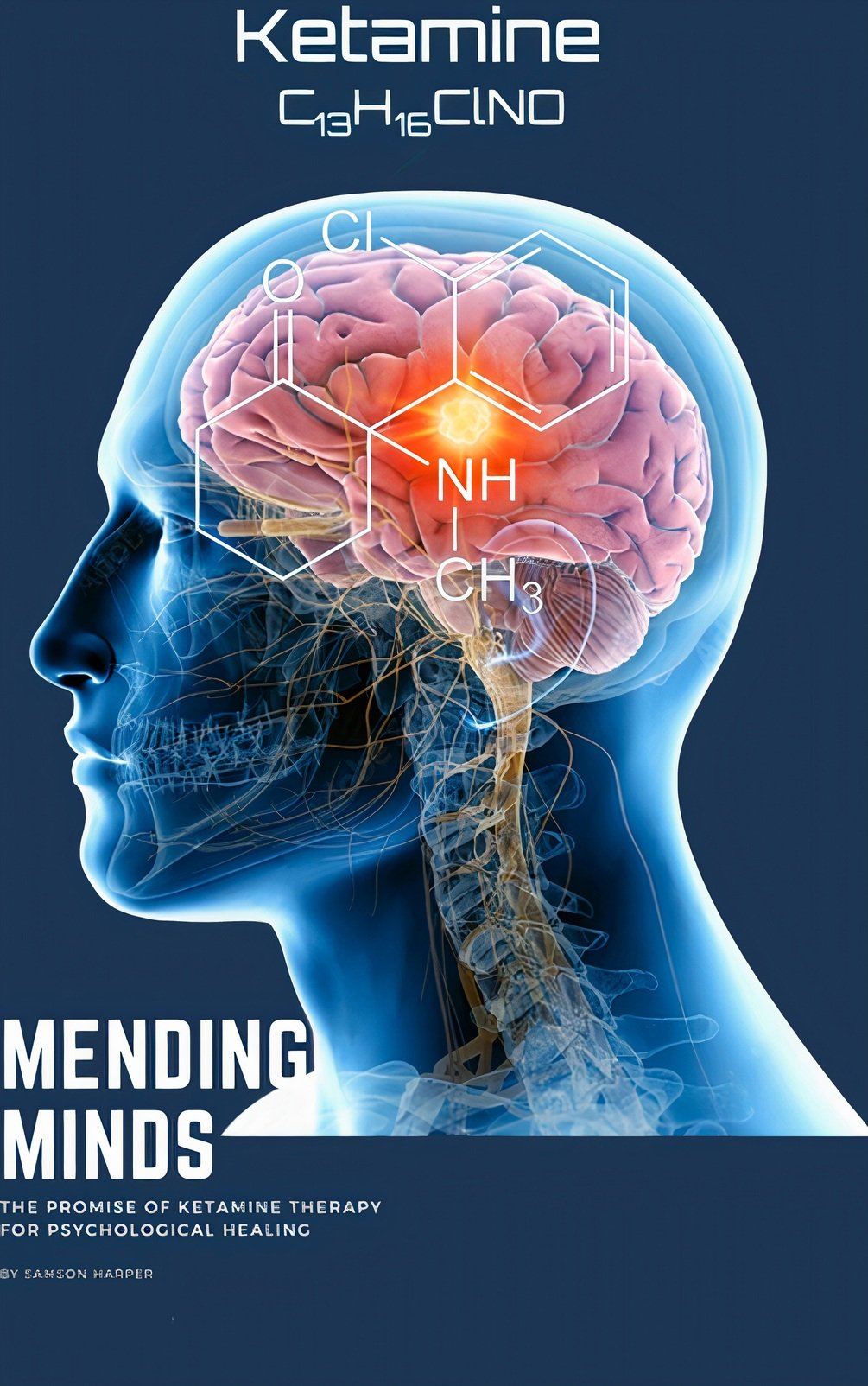

Mending Minds: The Promise of Ketamine Therapy for Psychological Healing
Explore captivating narratives and therapeutic insights with Samson Harper. From adventurous tales to the promise of ketamine therapy, find your next read here.
📚Mending Minds:
"Mending Minds: The Promise of Ketamine Therapy for Psychological Healing," which explores the promising avenues of ketamine therapy for treating depression and PTSD. Join our reader community today and stay tuned for the latest updates and exclusive content that will keep you enthralled from start to finish. Don't miss out on the opportunity to be part of an ever-growing community of avid readers and discover new worlds of imagination and discovery!
🔬In-Depth Exploration of Ketamine Therapy

🧠Exploring the Depths of Ketamine Therapy
"Mending Minds: The Promise of Ketamine Therapy for Psychological Healing" by Samson Harper delves into the groundbreaking potential of ketamine therapy. This enlightening book shines a spotlight on ketamine’s historical context, benefits, and the legal and ethical discussions surrounding its use in modern medicine. It offers a comprehensive look at conventional treatments for depression and PTSD and reveals why new alternatives are desperately needed. The book methodically explains the science underpinning ketamine's rapid antidepressant effects and its significant role in enhancing neuroplasticity. By doing so, Harper highlights the transformative potential of ketamine therapy, especially for treatment-resistant symptoms. Readers will also gain insights into the application of ketamine as an adjunctive therapy in psychological treatments, complete with real patient perspectives and essential details on dosage, administration, and safety considerations. The book’s ultimate goal is to open up a conversation about the future of mental health treatment and the expansive roles that innovative therapies like ketamine could play.
📖The Book's Structure and Content
The book is meticulously structured into ten chapters, each focusing on different critical aspects of ketamine therapy. Readers start with an introduction that sets the stage by discussing ketamine's historical roots and progresses through its potential to address severe psychological conditions. Then, it covers the common conventional treatments and points out the limitations that necessitate innovative alternatives like ketamine. Subsequent chapters delve deeper into the mechanisms of ketamine's action and neuroplasticity, making complex medical concepts accessible to the layperson. The narrative also transitions to practical applications, such as the integration of ketamine into psychotherapeutic sessions, patient accounts of their experiences, and a thorough examination of safety protocols concerning dosage and administration. The concluding chapters tackle future prospects, ongoing research, and the potential to broaden the scope of ketamine therapy, offering readers a well-rounded, informative, and hopeful perspective on this emerging medical frontier.


🌟Why This Book Matters
"Mending Minds" offers more than just scientific insights; it is a beacon of hope for many who struggle with mental health issues. Given the rising rates of depression and PTSD globally, this book serves as a critical resource for healthcare providers, caregivers, and patients alike. It underscores the urgent need for innovative therapies by showcasing real-world outcomes and patient testimonials. By offering a multi-faceted view of ketamine therapy, the book advocates for a well-rounded and informed approach to mental health, leaving readers equipped with knowledge and a sense of optimism about future treatments.
📜Historical and Ethical Insights
⏳Historical Context and Ethical Considerations
Ketamine, initially introduced as an anesthetic in the 1960s, has a complex and storied history that adds depth to its current therapeutic uses. Its journey from operating rooms to mental health clinics involves intensive research and significant legal and ethical discussions. The book delves into this evolution, examining how historical usage, societal perceptions, and regulatory policies have influenced current medical practices. Furthermore, ethical considerations surrounding its use, such as potential for abuse, controlled accessibility, and informed consent, are thoroughly discussed. By understanding these contextual elements, readers can appreciate the intricate balance of innovation and caution that accompanies the integration of ketamine into modern therapeutic practices.