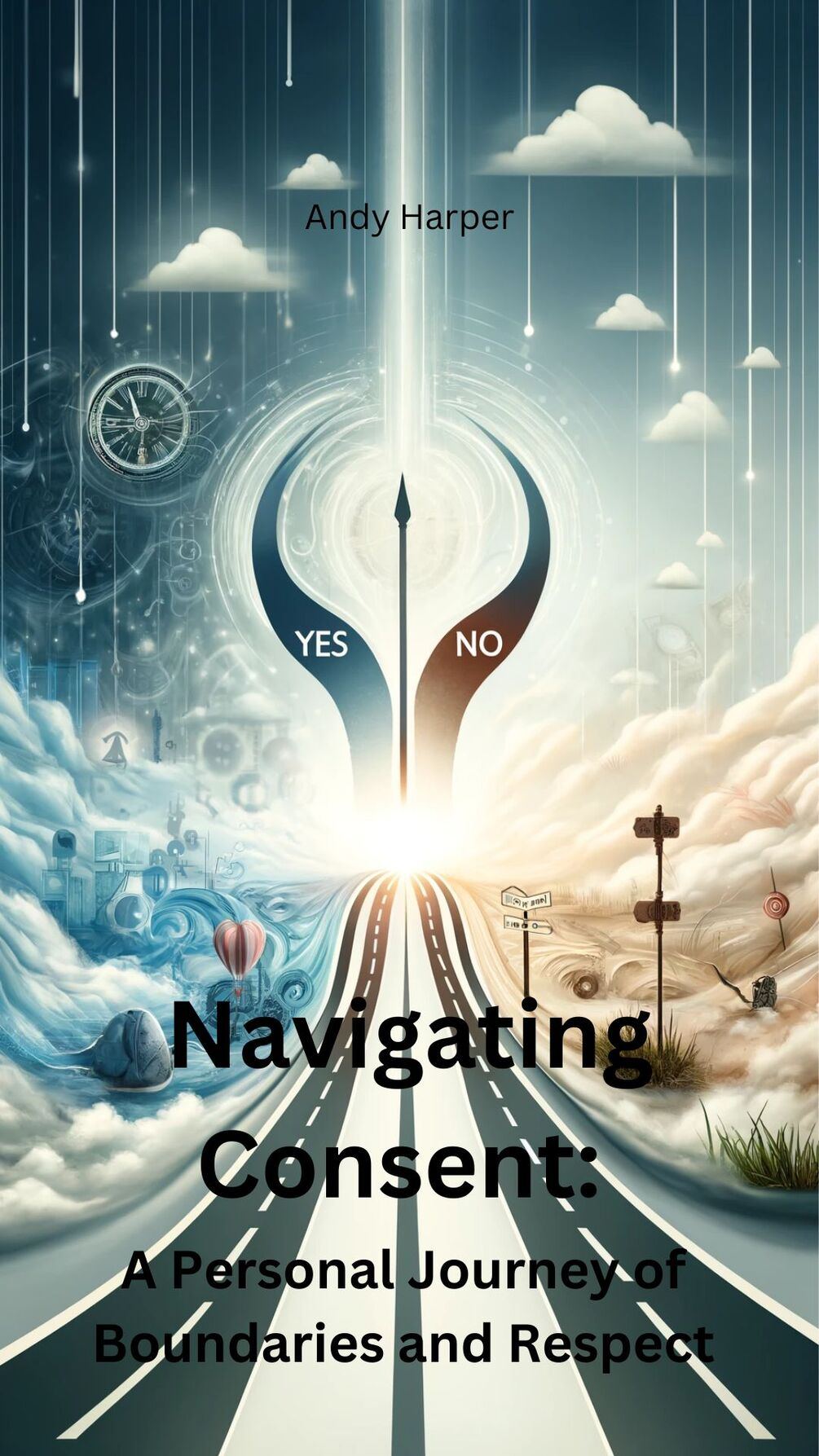
Discover Your Boundaries, Embrace Mutual Respect
Join Samson Harper on a heartfelt journey through the essential yet often misunderstood concept of consent. Learn through personal stories, insightful reflections, and practical guidance.

📘Introducing Navigating Consent
'Navigating Consent: A Personal Journey of Boundaries and Respect' by Samson Harper is an enlightening exploration into the multifaceted concept of consent. Combining personal anecdotes, insightful reflections, and practical advice, Harper brings to light the importance of understanding and respecting personal boundaries in all facets of life. Whether it's with friends, family members, or romantic relationships, consent is a vital aspect of every interaction. Harper's compassionate and empathetic approach allows readers to delve deep into the nuances of consent, empowering them to communicate more effectively and confidently. This book is not only a guide but a companion in your journey to understanding and advocating for mutual respect and consent.
📙Main Arguments in 'Navigating Consent'
📖Delving into Consent and Boundaries
Consent is an essential component of healthy relationships and interactions, yet it continues to be misunderstood by many. In 'Navigating Consent: A Personal Journey of Boundaries and Respect,' Samson Harper uses a combination of personal anecdotes and practical advice to explore this critical topic. Featuring stories from his own life, Harper underscores the importance of establishing, communicating, and respecting personal boundaries. One of the main arguments he makes is that clear communication is key to understanding consent. By learning to articulate our own boundaries and listen to others, we can foster mutual respect and create environments where everyone feels safe and valued. Harper also expertly addresses the social stigmas and misconceptions surrounding consent, providing readers with the tools to navigate these challenges effectively. Ultimately, the book is a call to action for all of us to take responsibility in recognizing and honoring consent in our daily lives.
📙Main Arguments in Navigating Consent
Clear Communication: Harper emphasizes that clear and open communication is crucial for understanding and respecting consent. By articulating our boundaries and actively listening to others, we can create environments of mutual respect and safety.
Personal Boundaries: Establishing and enforcing personal boundaries forms the backbone of healthy interactions. Harper offers practical advice on how to identify and communicate these boundaries effectively.
Social Stigmas and Misconceptions: Many societal misconceptions surrounding consent are addressed in the book. Harper provides readers with tools and mindsets to challenge and overcome these barriers.
Empowerment and Respect: The book encourages readers to foster respect, not just for others, but for themselves. Understanding and advocating for one's own boundaries is an empowering process that leads to more fulfilling relationships.
Through these arguments, 'Navigating Consent' serves as a powerful guide for anyone looking to enhance their communication skills and understand the critical importance of consent in all areas of life.
🗣Continuous Dialogue and Legal Aspects of Consent
🔖Continuous Dialogue and Legal Aspects
One of the key themes in 'Navigating Consent' is the idea that consent should be an ongoing dialogue. Harper insists that boundaries are not static and can change over time, necessitating continuous conversations to ensure mutual understanding. This approach helps prevent misunderstandings and fosters a respectful environment where all parties feel valued. Additionally, the book sheds light on the legal aspects of consent. While the emotional and relational facets are crucial, understanding the legal definitions and implications of consent is equally important. Harper provides clear explanations of what constitutes explicit and implicit consent, helping readers navigate potential legal pitfalls. The combination of personal stories and legal insights makes this book a well-rounded resource for anyone committed to understanding the intricacies of consent. Whether you are looking to improve your personal relationships, better understand workplace dynamics, or simply educate yourself on a critical issue, 'Navigating Consent' offers valuable guidance.
🔍Navigating the Intricacies of Consent
Samson Harper's 'Navigating Consent: A Personal Journey of Boundaries and Respect' delves deep into the complex and nuanced world of consent. The book is structured around Harper's own experiences, providing a deeply personal perspective on the topic. Readers will find themselves immersed in stories that highlight both the challenges and rewards of establishing and respecting boundaries. One of the key takeaways from the book is that consent is not a one-time interaction but an ongoing conversation. Harper emphasizes the need for continuous and open dialogue about boundaries, ensuring that all parties are always on the same page. The book also tackles the legal aspects of consent, clarifying what constitutes explicit and implicit consent. By blending personal anecdotes with legal clarifications, 'Navigating Consent' serves as a comprehensive guide for anyone looking to understand and implement the principles of consent in their daily lives. Harper's empathetic approach ensures that readers come away feeling informed, empowered, and ready to make positive changes in their interactions.