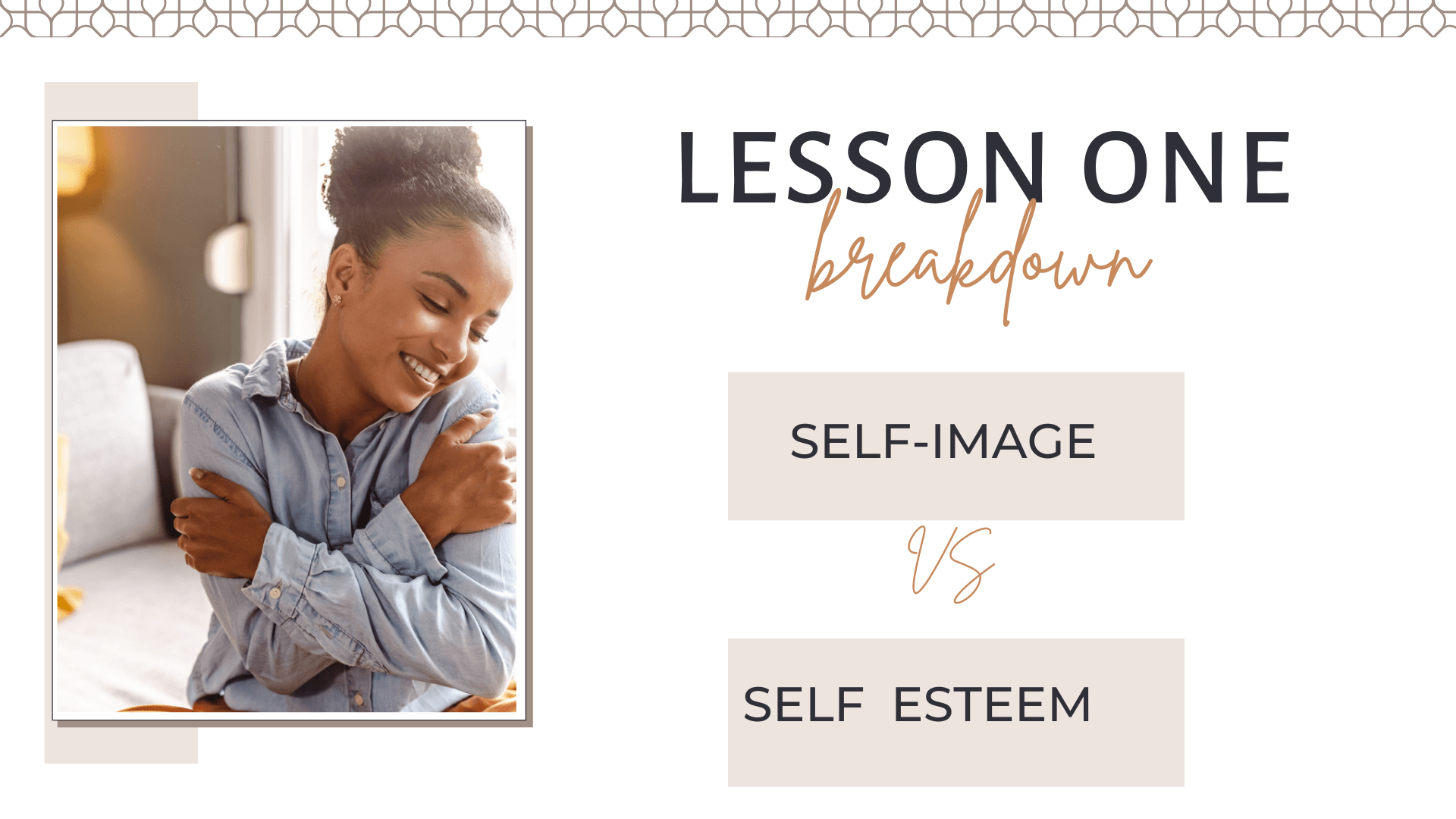

Lesson 1: Understanding Self-Image vs Self-Esteem
Explore the key differences between self-image and self-esteem in this foundational lesson to enhance personal growth.
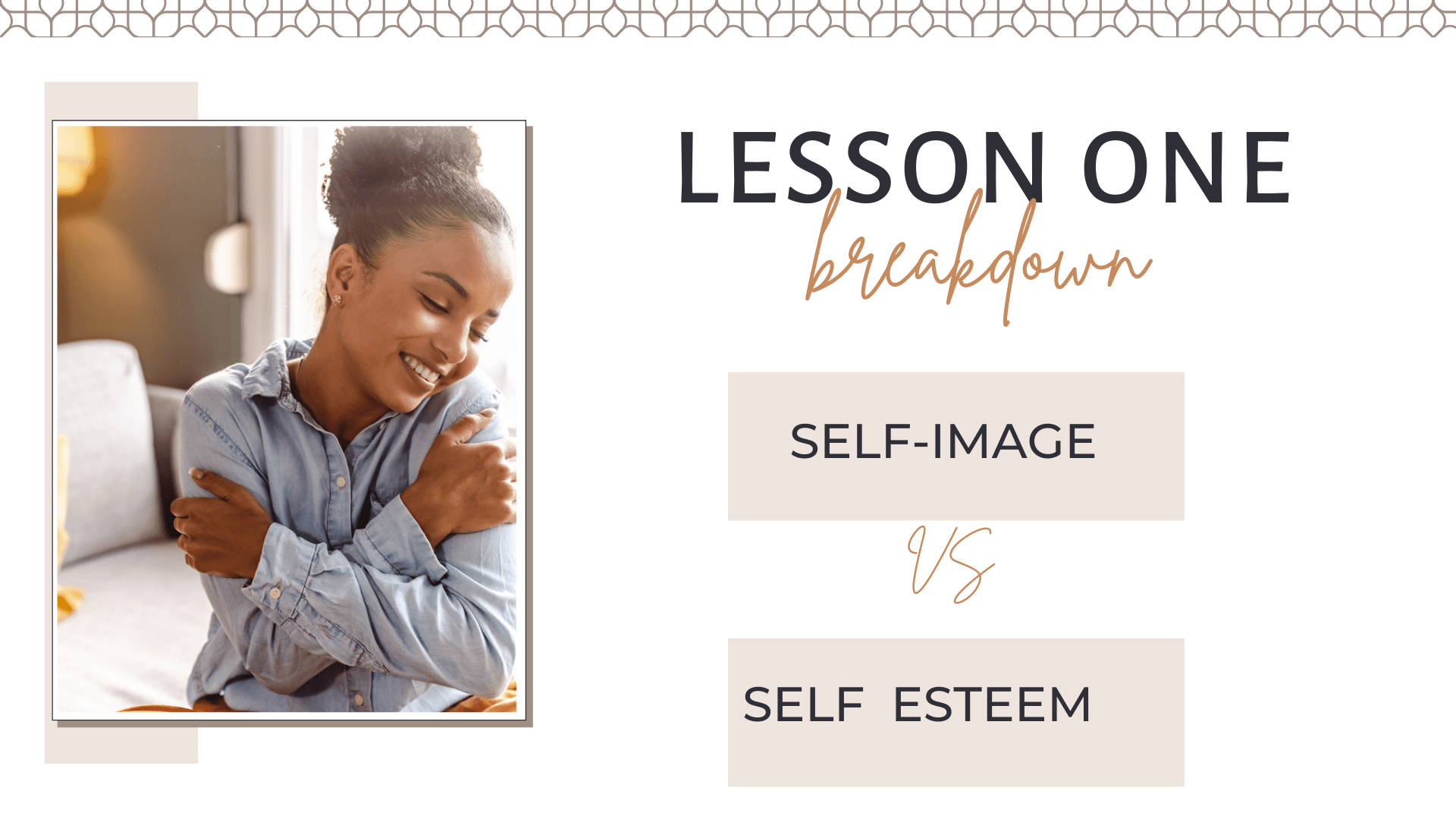
🪞Introduction to Self-Image vs Self-Esteem
Hey there, friends! Today, let's discuss a common mix-up in the self-help world: the difference between self-image and self-esteem. Self-image is your internal view of yourself, beliefs, values, and identity. Self-esteem, on the other hand, is your external sense of self-worth and confidence. Here's the kicker: having high self-esteem doesn't necessarily mean having a healthy self-image. You can still feel like a hot mess on the inside, even if you look like a million bucks on the outside. That's why it's essential to work on our self-image, to understand who we are at our core, and to love ourselves just as we are. Because when you have a strong self-image, you don't need to seek validation from anyone else. You can be confident, not because of what you look like or what you have, but because of who you are. So, let's focus on building our self-image and learning to appreciate our unique quirks. After all, life is too short to be anyone else but ourselves.
🪞The Difference between Self-Image & Self Esteem
Self-image is how we see ourselves internally, including our beliefs, values, and identity. It's how we feel about ourselves at our core. Self-esteem, on the other hand, is about how we think about ourselves externally. It's our external sense of self-worth and confidence and how we feel about our abilities, accomplishments, and appearance.
Self-esteem can be based on external factors, like how we look, what we do, or what we have. This can be dangerous because if it is based on something that can be taken away, we're in trouble. For example, if we base our self-esteem on our appearance, what happens when we age, gain weight, or lose our hair? Our self-esteem can take a hit.
On the other hand, a healthy self-image is based on internal factors that can't be taken away. It's about accepting ourselves for who we are, flaws and all. We don't need validation from anyone else when we have a strong self-image. We can be confident in ourselves because we know our worth isn't based on external factors.
While self-esteem is essential, self-image determines how we feel about ourselves. Building a healthy self-image takes work, but it's worth it. We can live a more fulfilling and authentic life when we love and accept ourselves for who we are.

🧠Understanding Self-Image
Self-image is a multifaceted construct that shapes how we perceive ourselves in various contexts—physically, emotionally, and socially. It encompasses our beliefs, perceptions, and feelings about our appearance, abilities, and personality traits. A positive self-image can lead to a greater sense of self-worth and confidence, while a negative self-image can hinder personal growth and affect mental health. Factors such as upbringing, life experiences, and societal influences contribute significantly to its formation. Recognizing the components of self-image enables individuals to address negative beliefs and cultivate a more positive self-view, ultimately enriching their lives and choices.
🌟Understanding Self-Esteem
Self-esteem, in contrast, refers to the perceptions we hold about our worth and value as individuals. It represents the judgments we make about ourselves based on our self-image, experiences, feedback from others, and personal achievements. High self-esteem empowers us to take on challenges and pursue goals, as we feel deserving of success and happiness. Conversely, low self-esteem can lead to self-doubt and a fear of failure, prompting avoidance of potential opportunities for growth. Building self-esteem often involves challenging negative self-beliefs and developing a more balanced view of oneself in relation to others, ultimately fostering a healthier outlook on life and interactions.