
First Week Research: Taipei
5/19~5/24
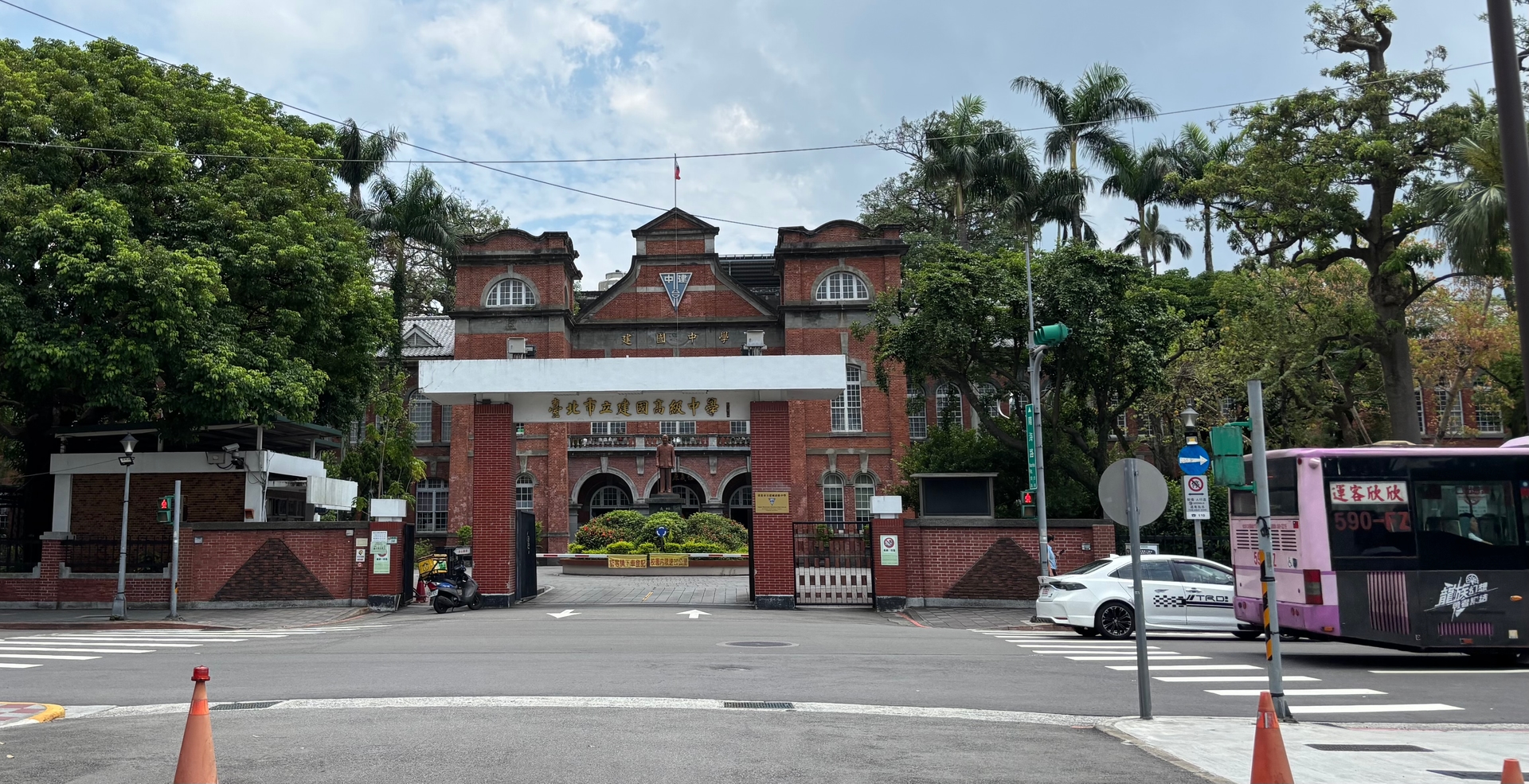

February 28th Incident Report
The headline opened with a harrowing figure: an estimated 10,000 peaceful demonstrators were killed by the Chinese armed forces under the command of the Kuomintang Party. Widespread exclusions, arrests, and executions continued everywhere.
The report detailed "three days of indiscriminate killing and looting." It stated that "for a time everyone seen on the streets was shot at, homes were broken into and occupants killed." "In the poorer sections the streets were said to have been littered with dead." "There were instances of beheadings and mutilation of bodies, and women were raped." "Thousands were thrown into prison, many bound with thin wire that cut deep into the fresh."
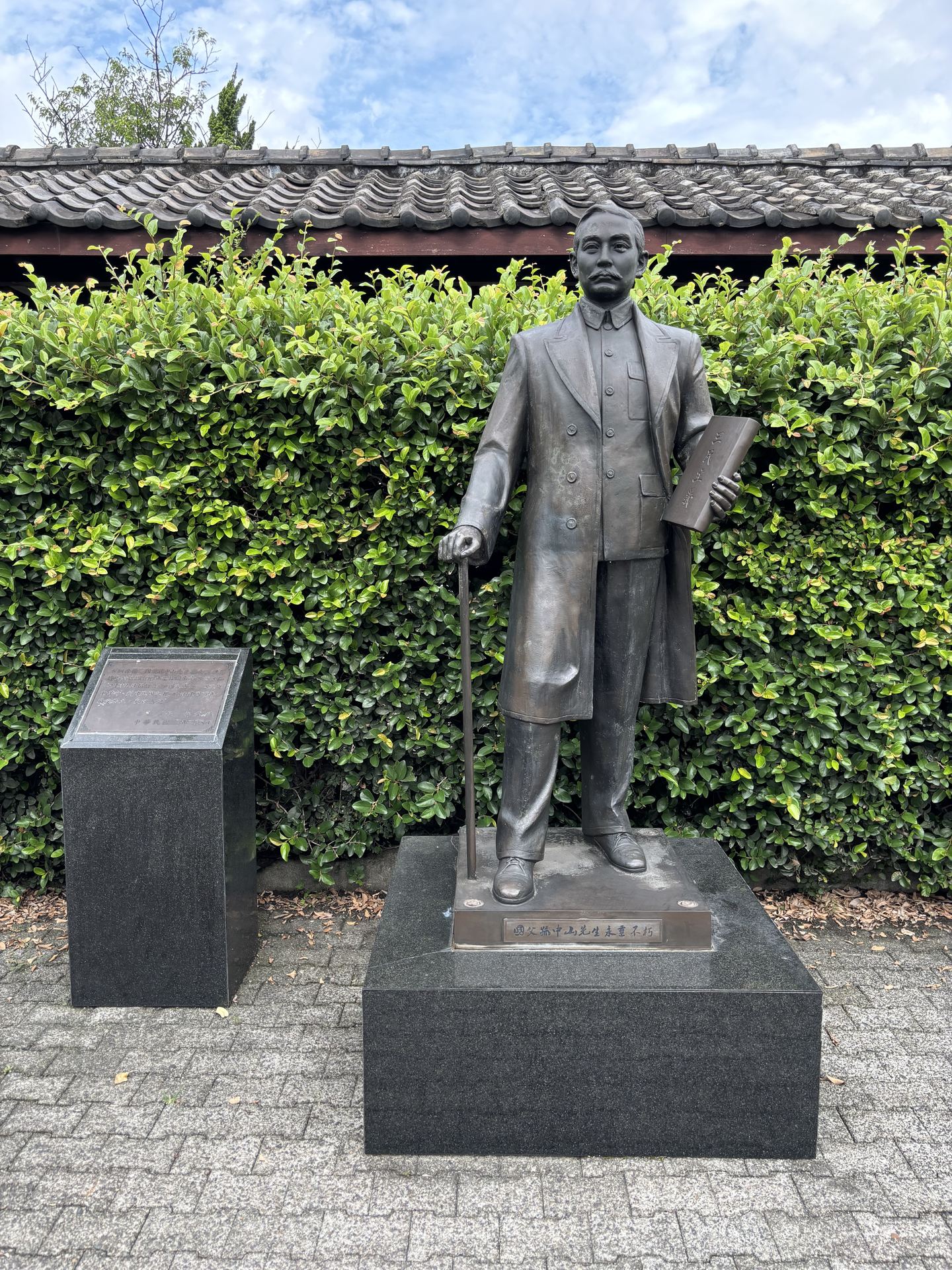
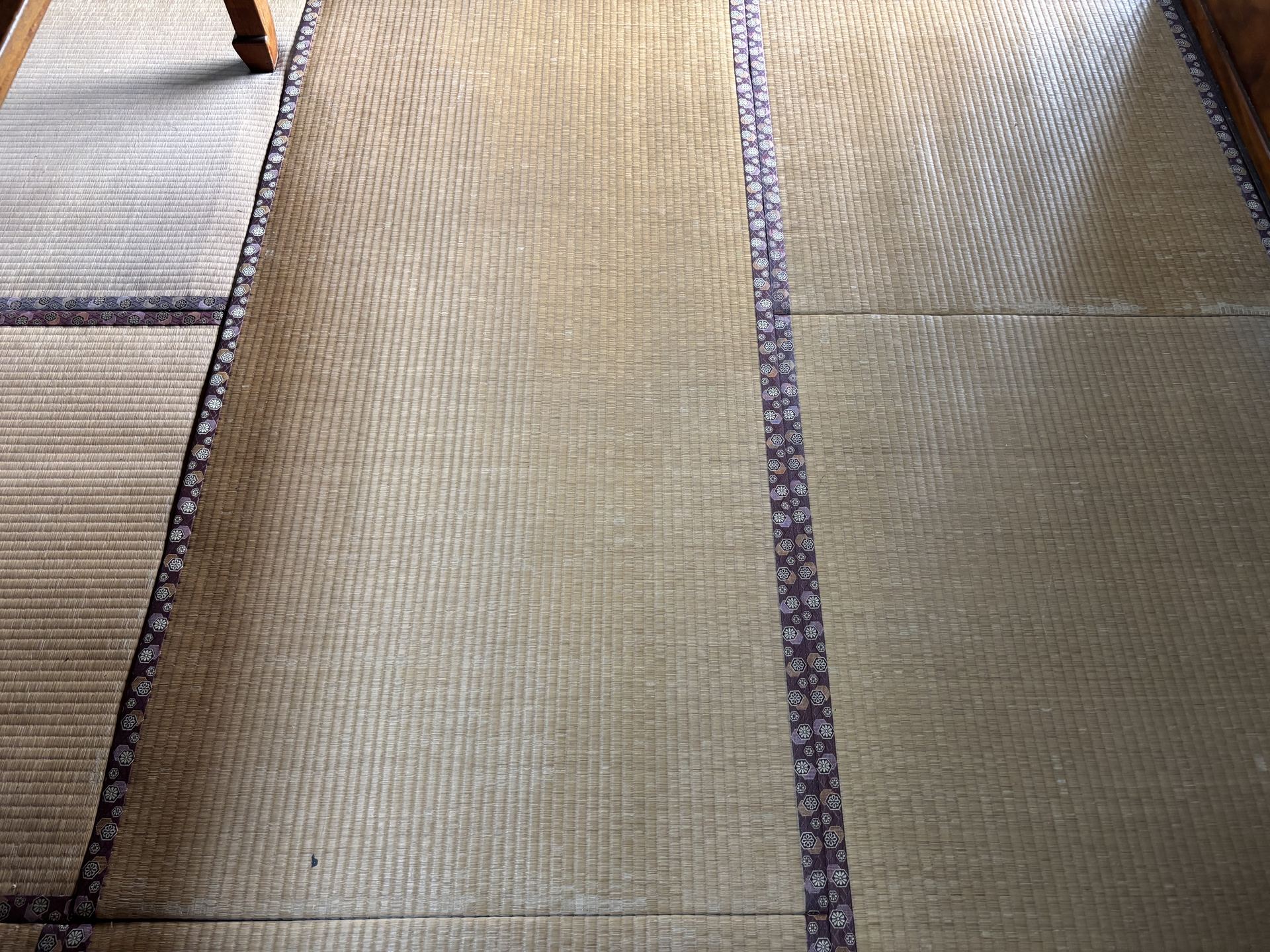
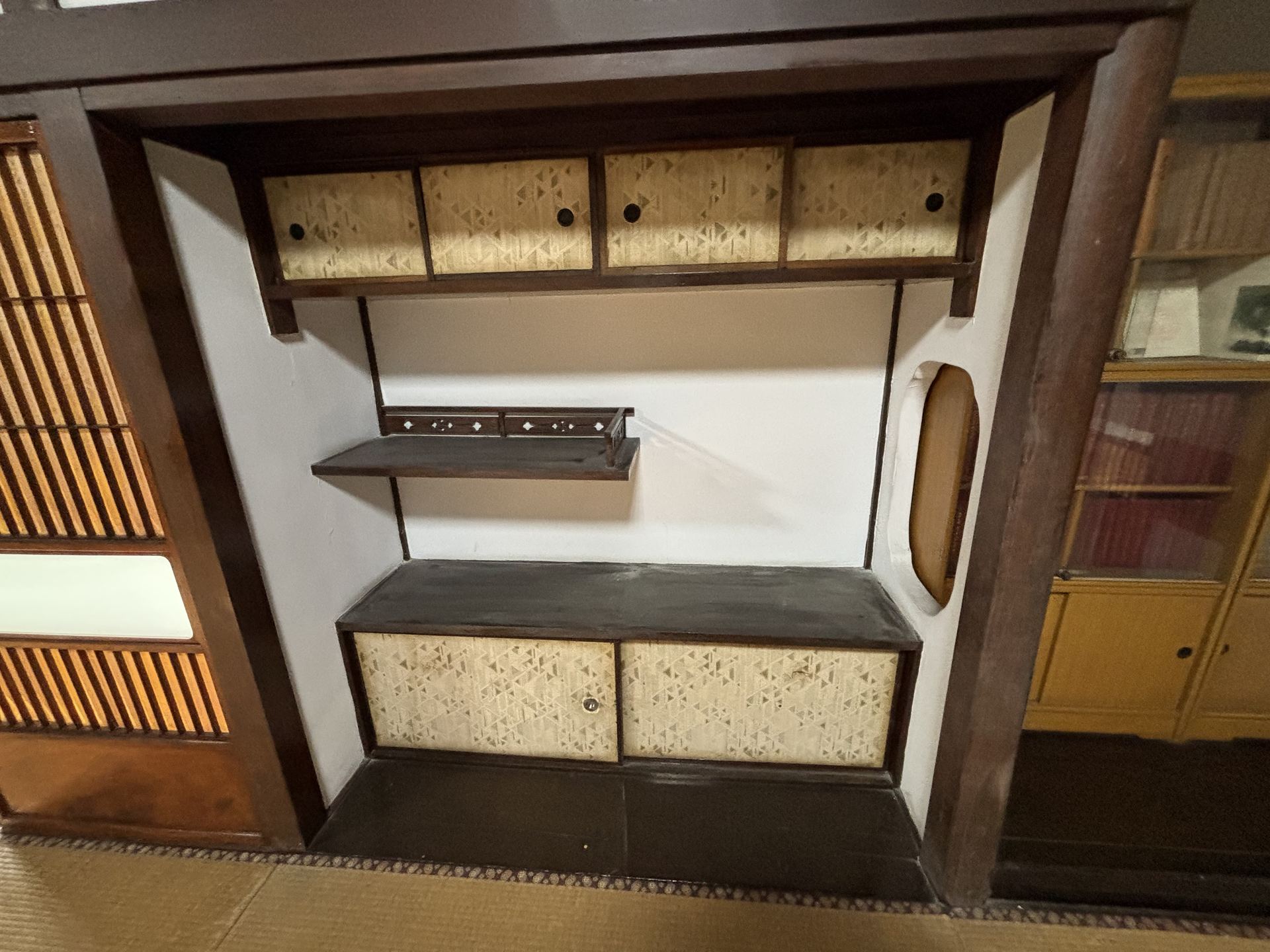
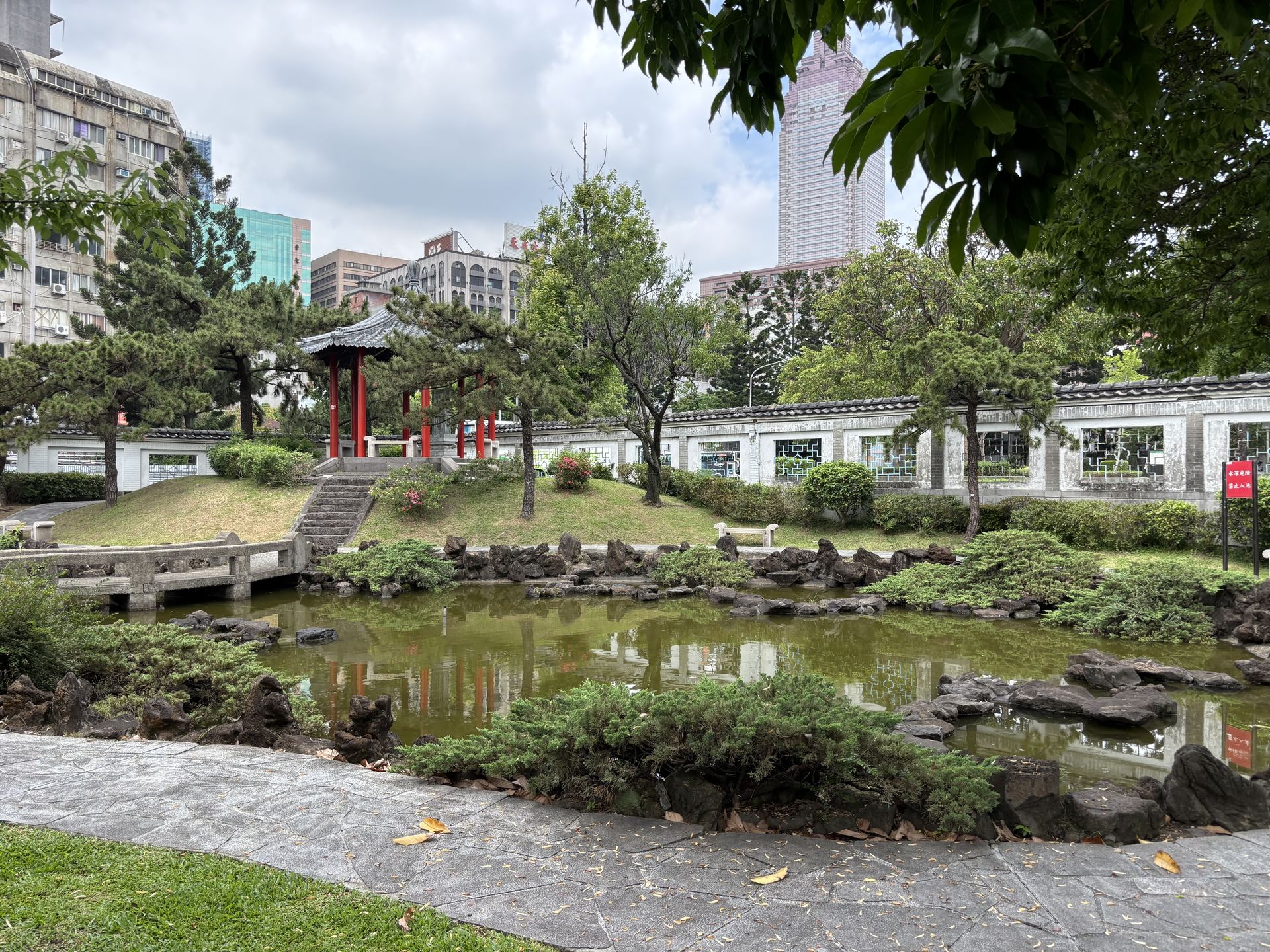
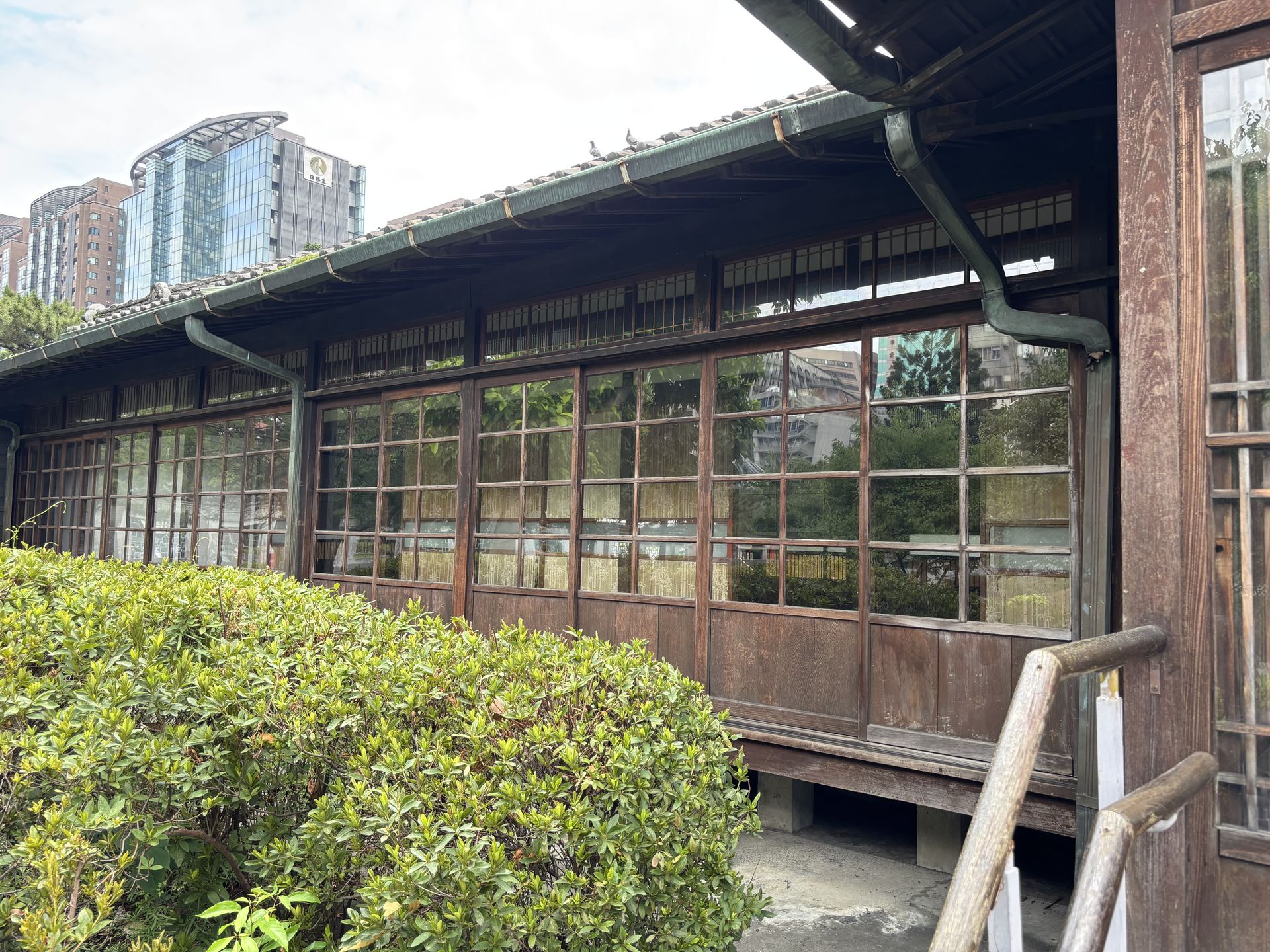
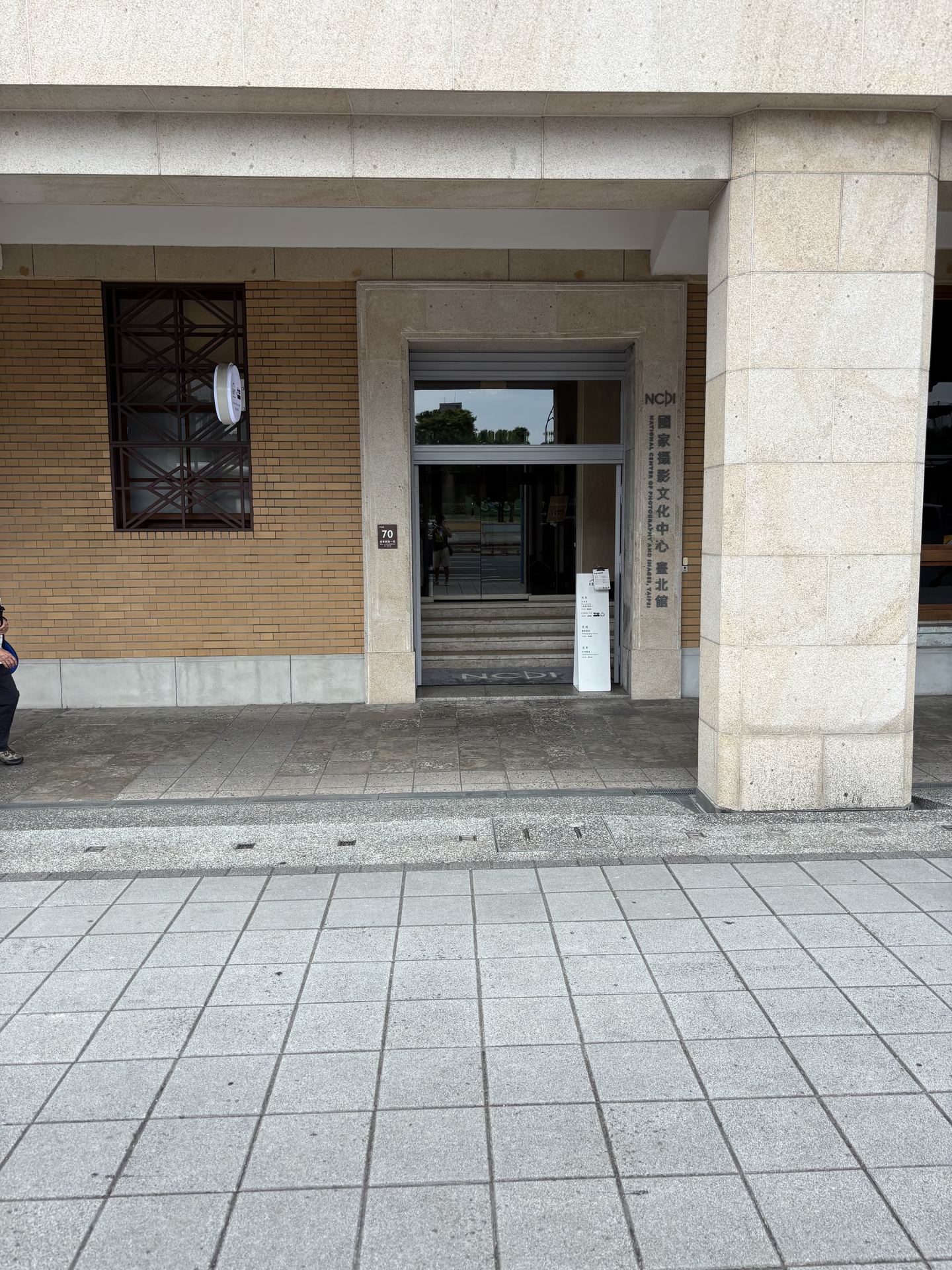
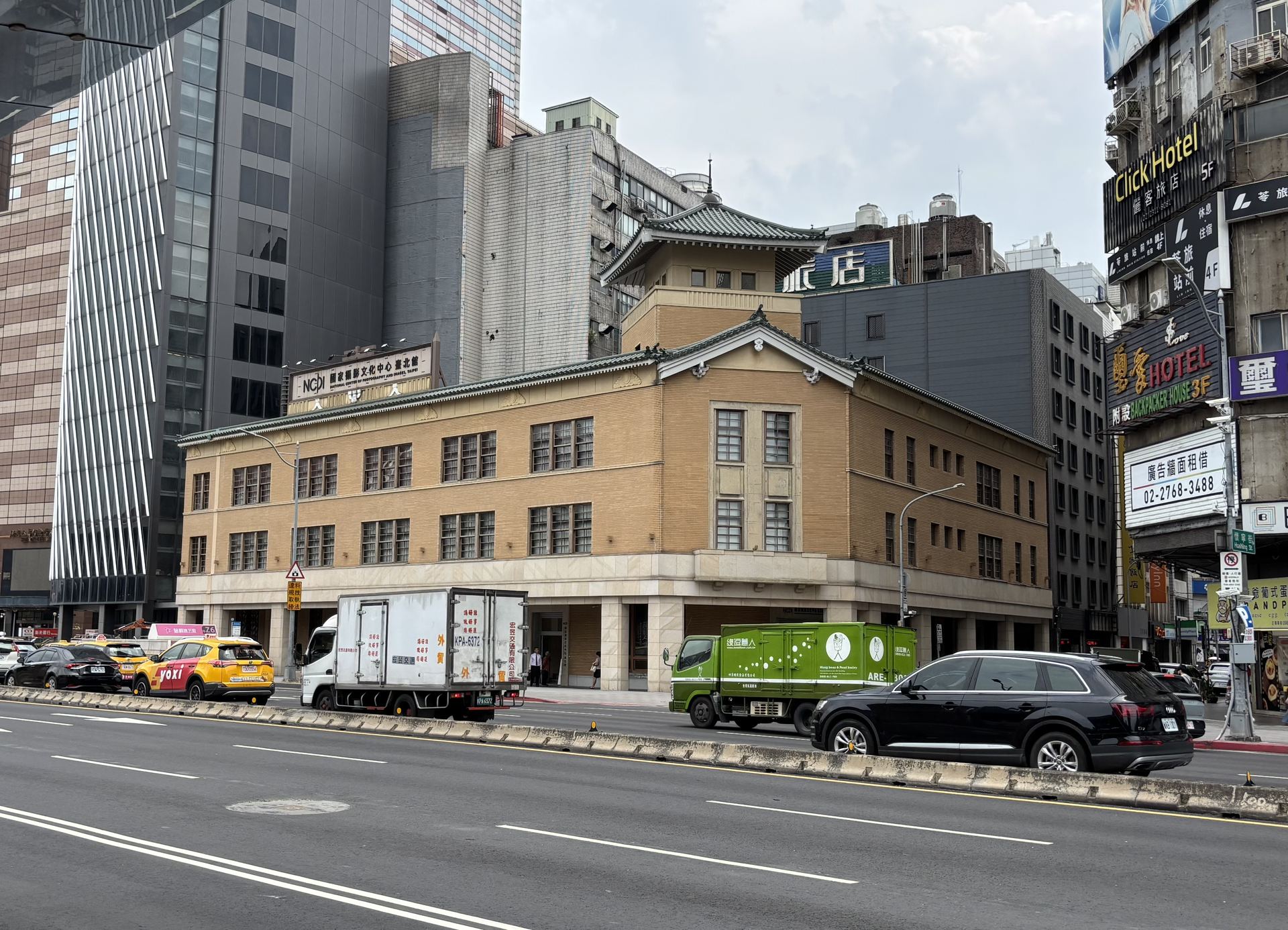
National Center of Photography and Images, Taipei (NCPI)
I had the opportunity to speak with curator Rex, a retired employee of an American corporation who traveled to Japan many times. He shared that older generation perceive themselves as Japanese because they have received education under Japanese colonial rule.
Rex himself is of Taiwanese Hokkien descent, with ancestral roots tracing back to migrants from mainland China during the Yuan Dynasty. Hokkien are distinct from Taiwan's indigenous peoples. In contrast to the Hokkien, Chinese people who emigrated to Taiwan after World War II with the Kuomintang Party tend to harbor negative impressions toward Japan, shaped by historical events such as the Nanjing Massacre and Japan's occupation of Manchuria. Taiwanese have varying perspectives.
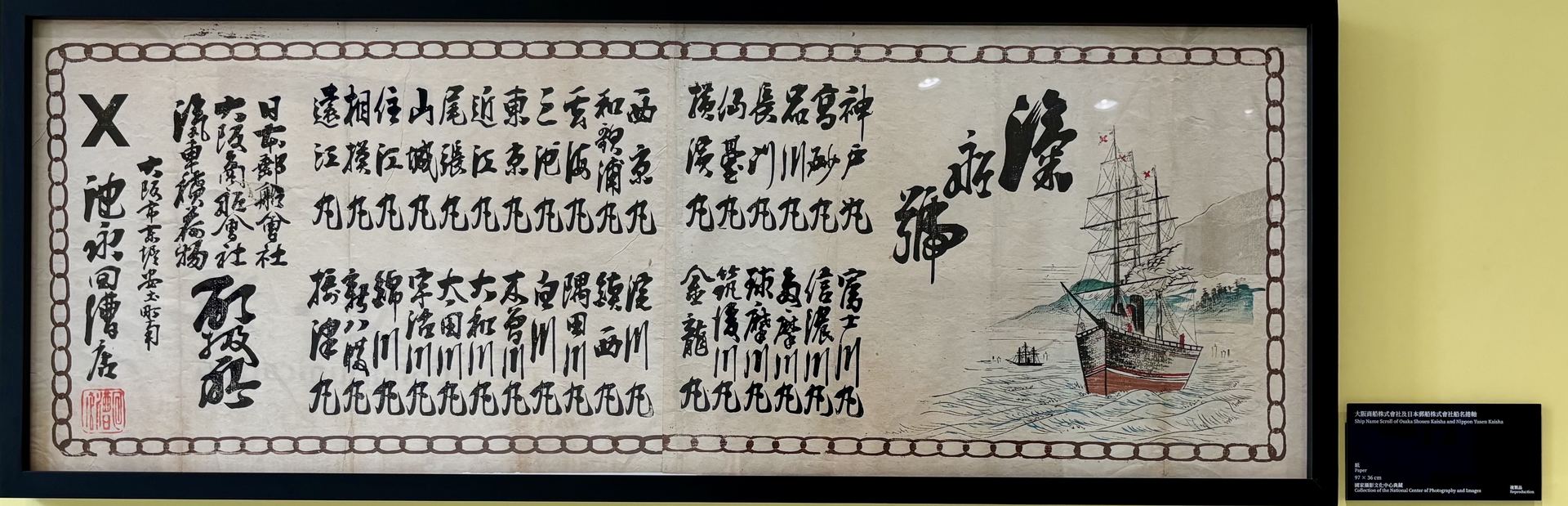
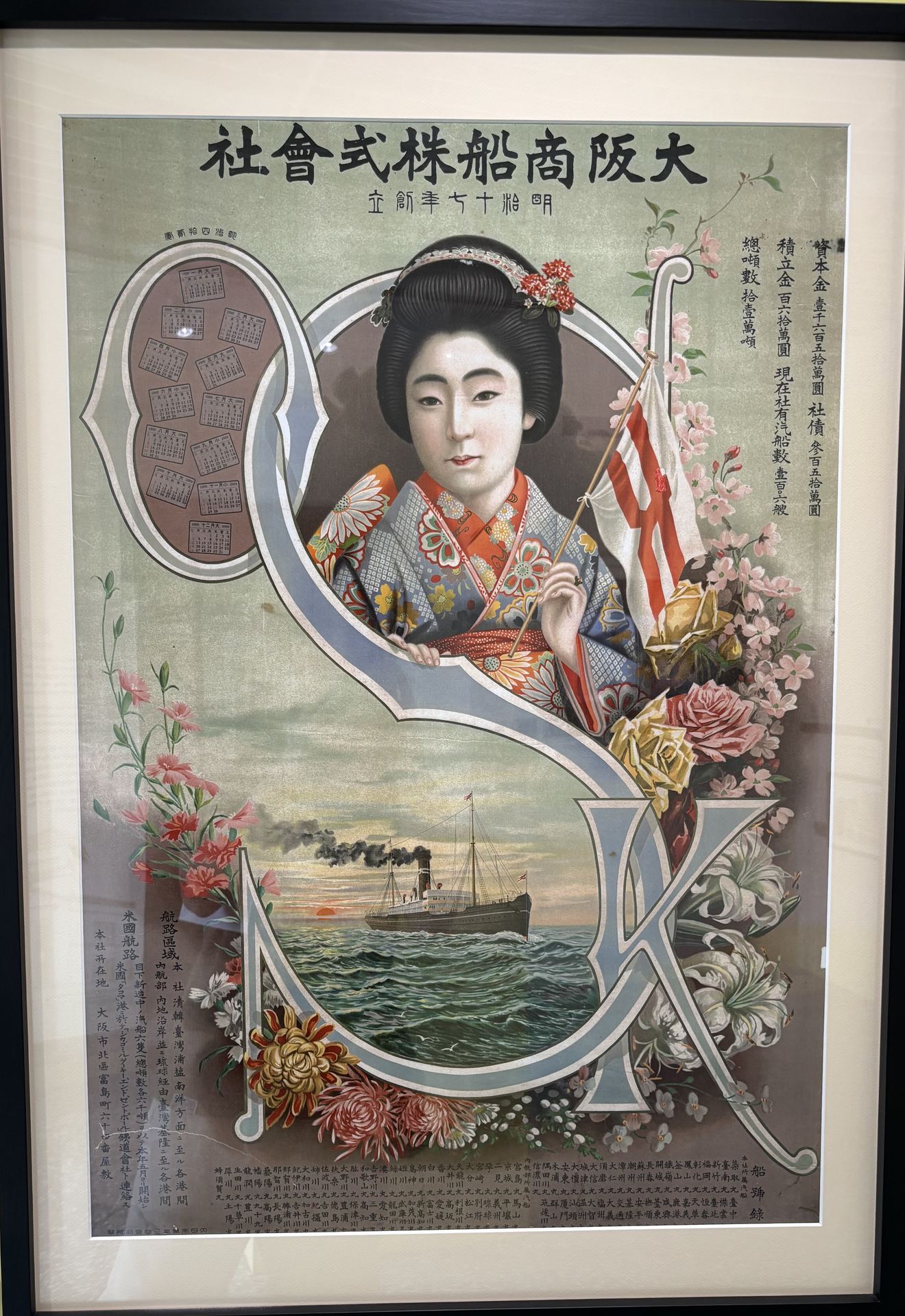
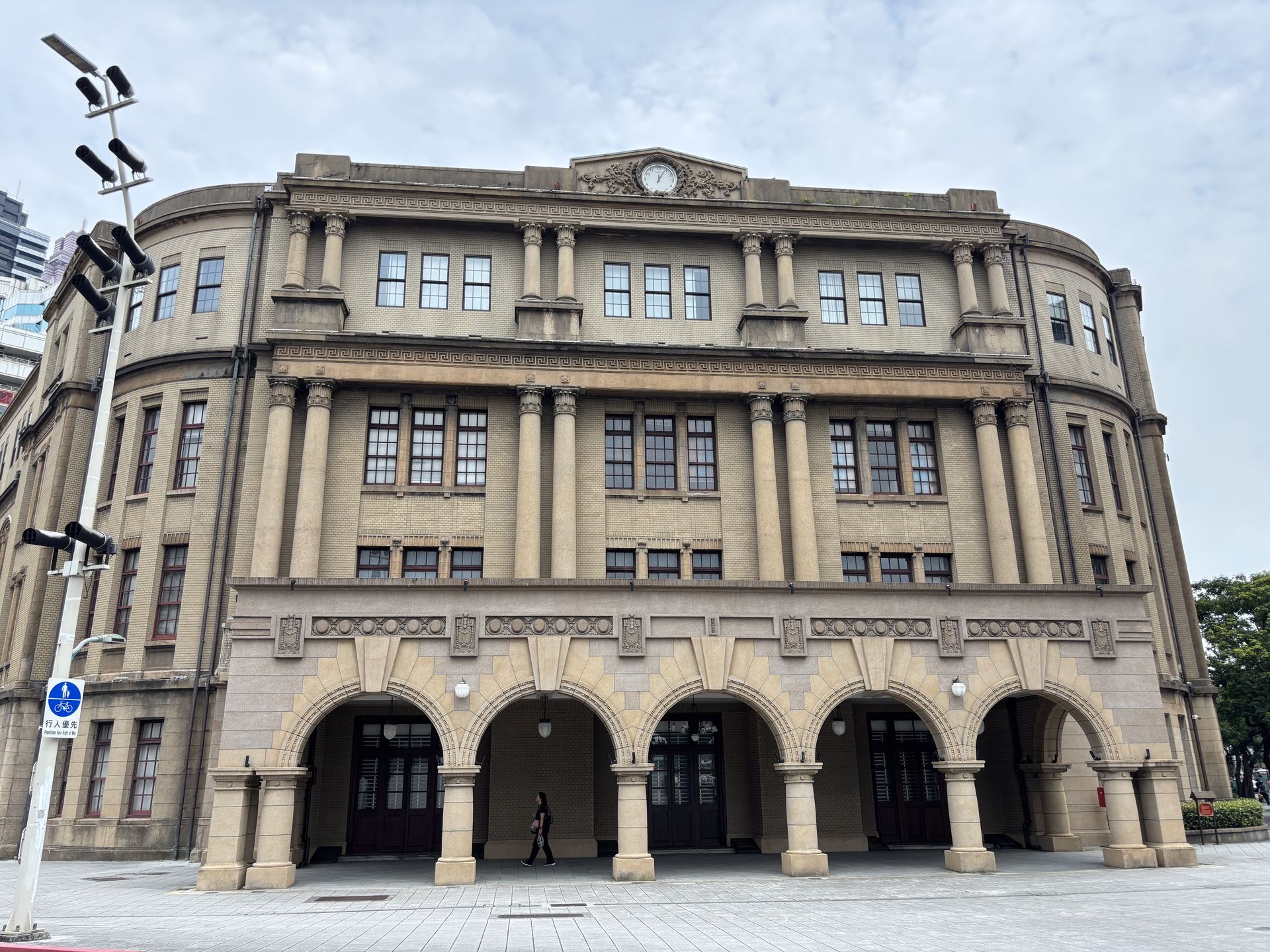
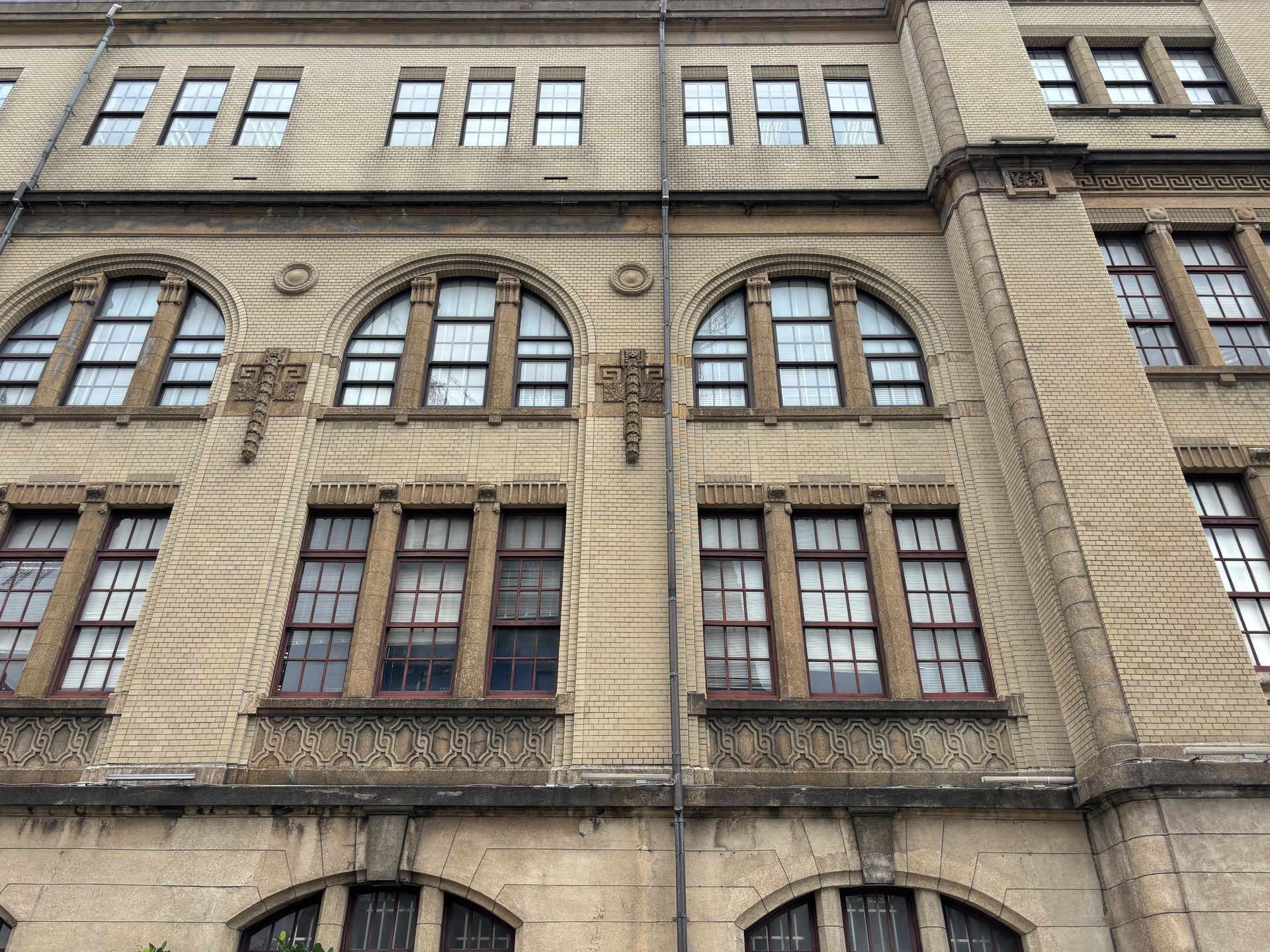
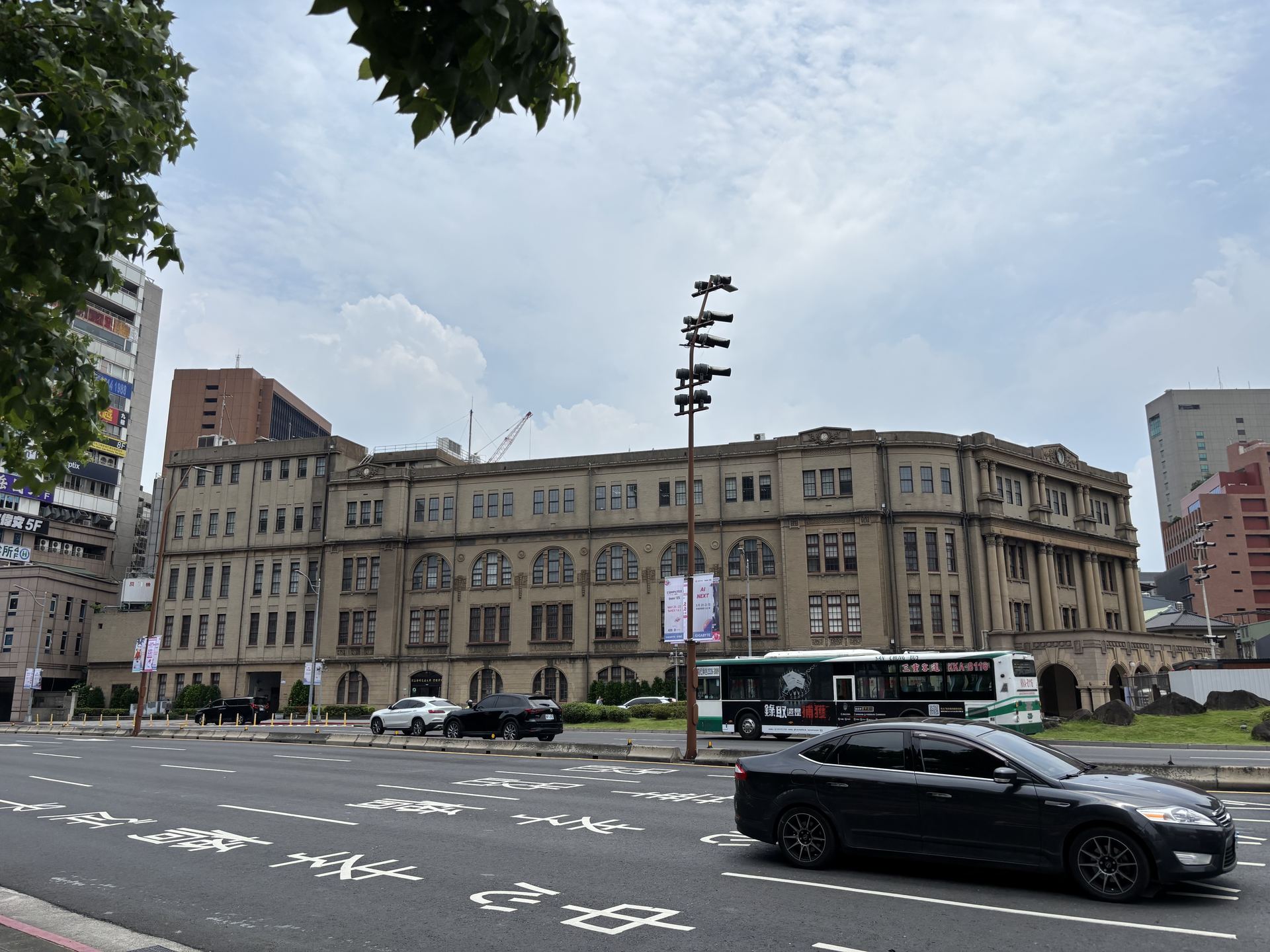
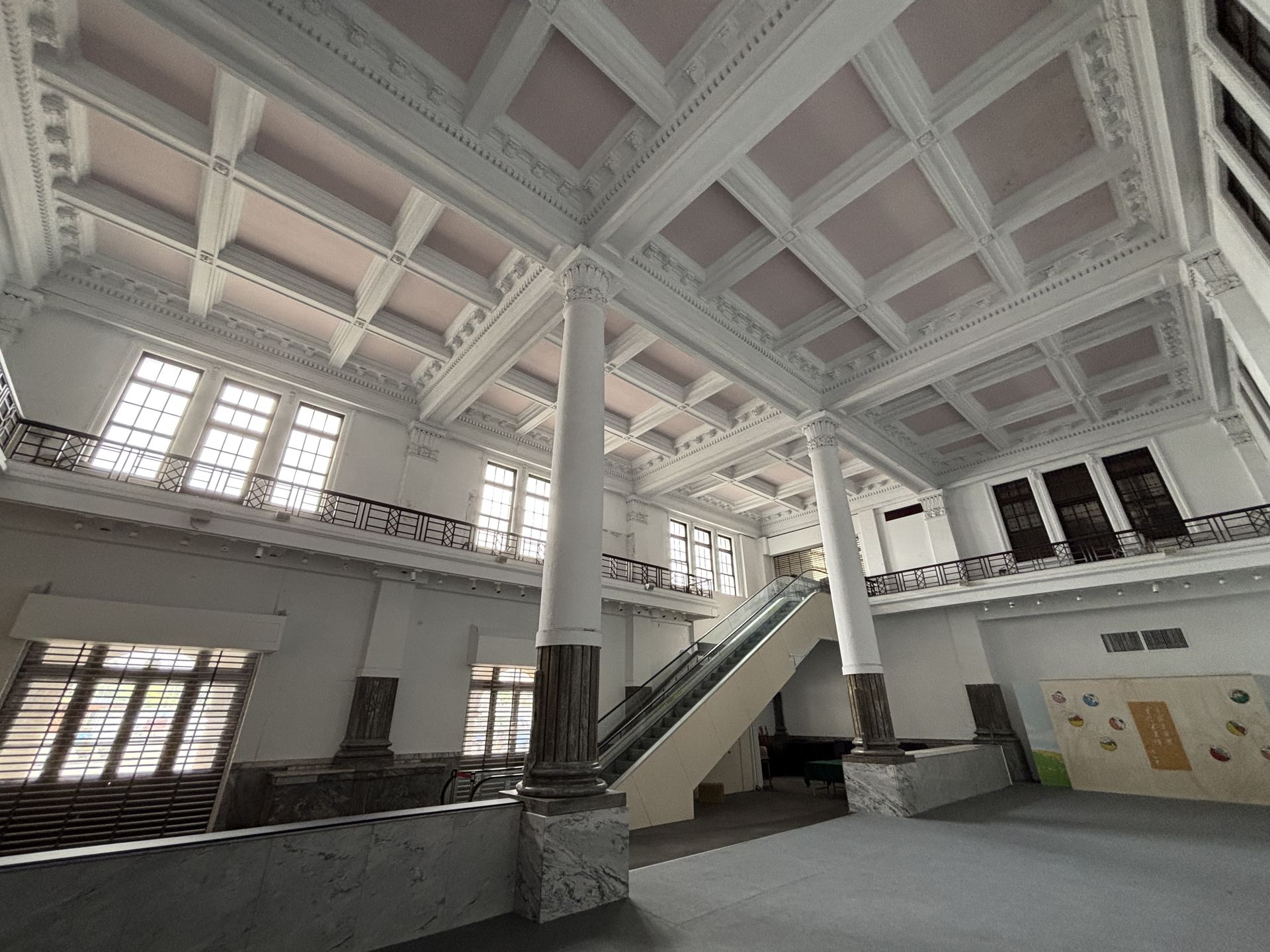
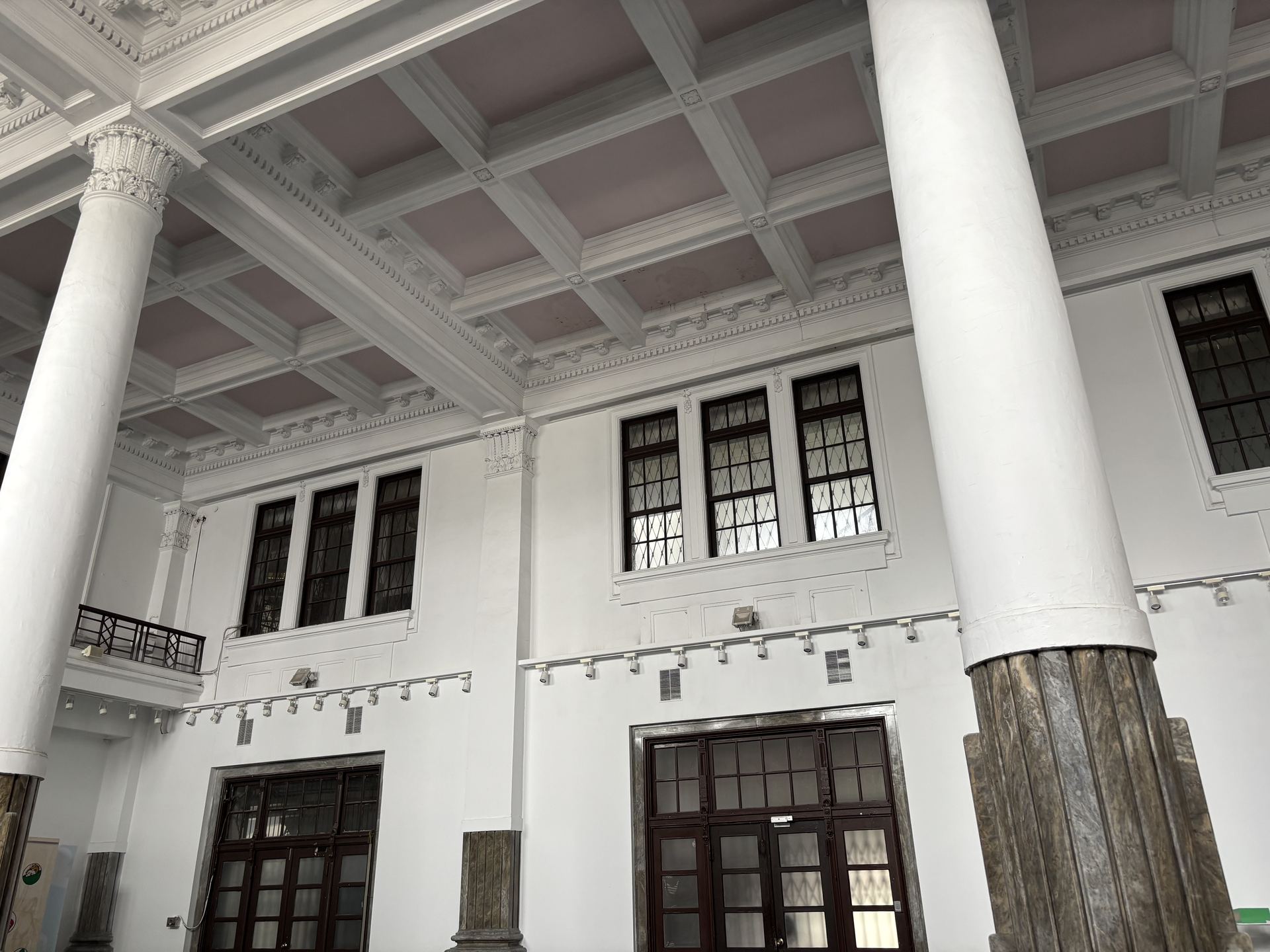
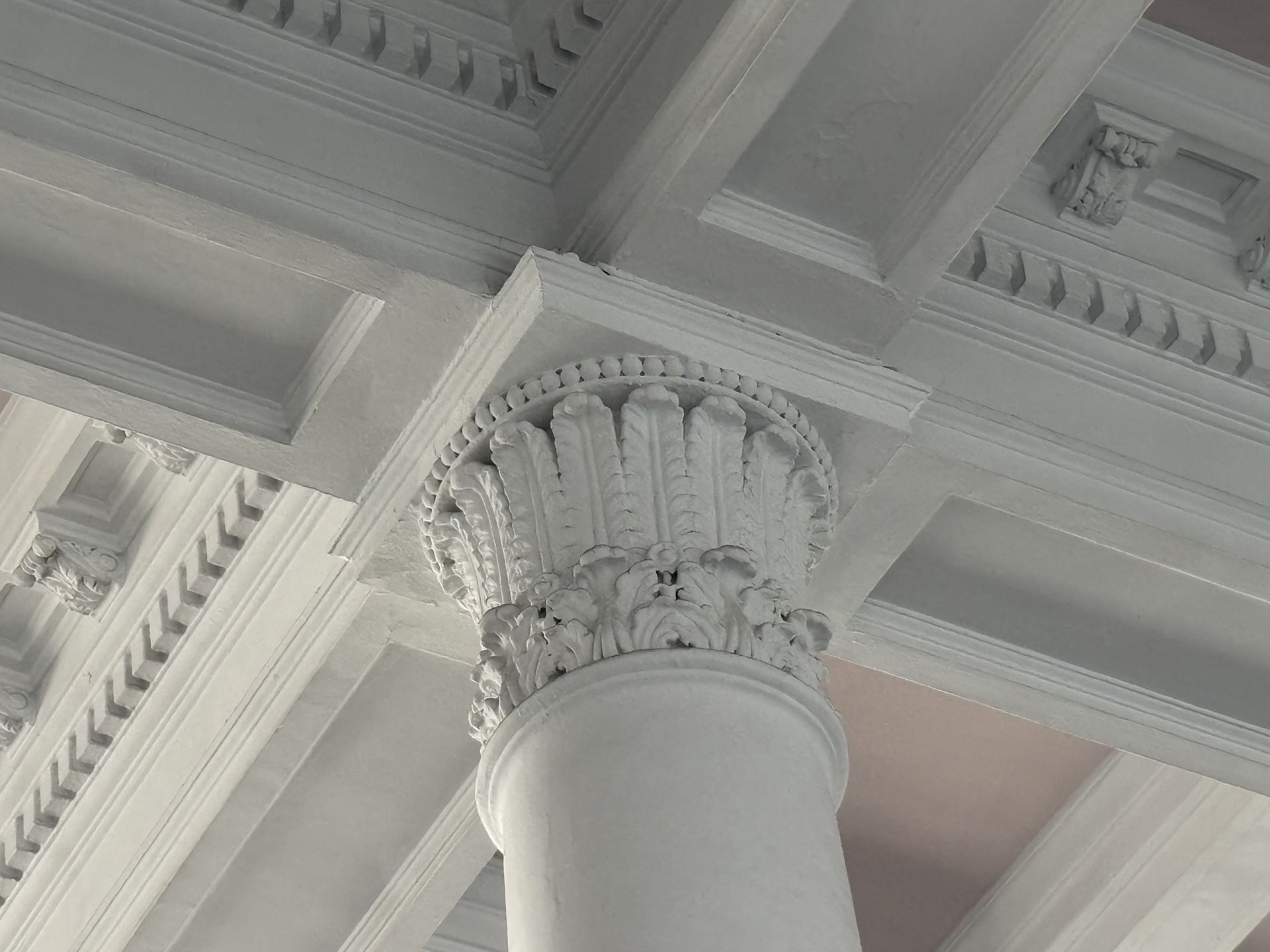
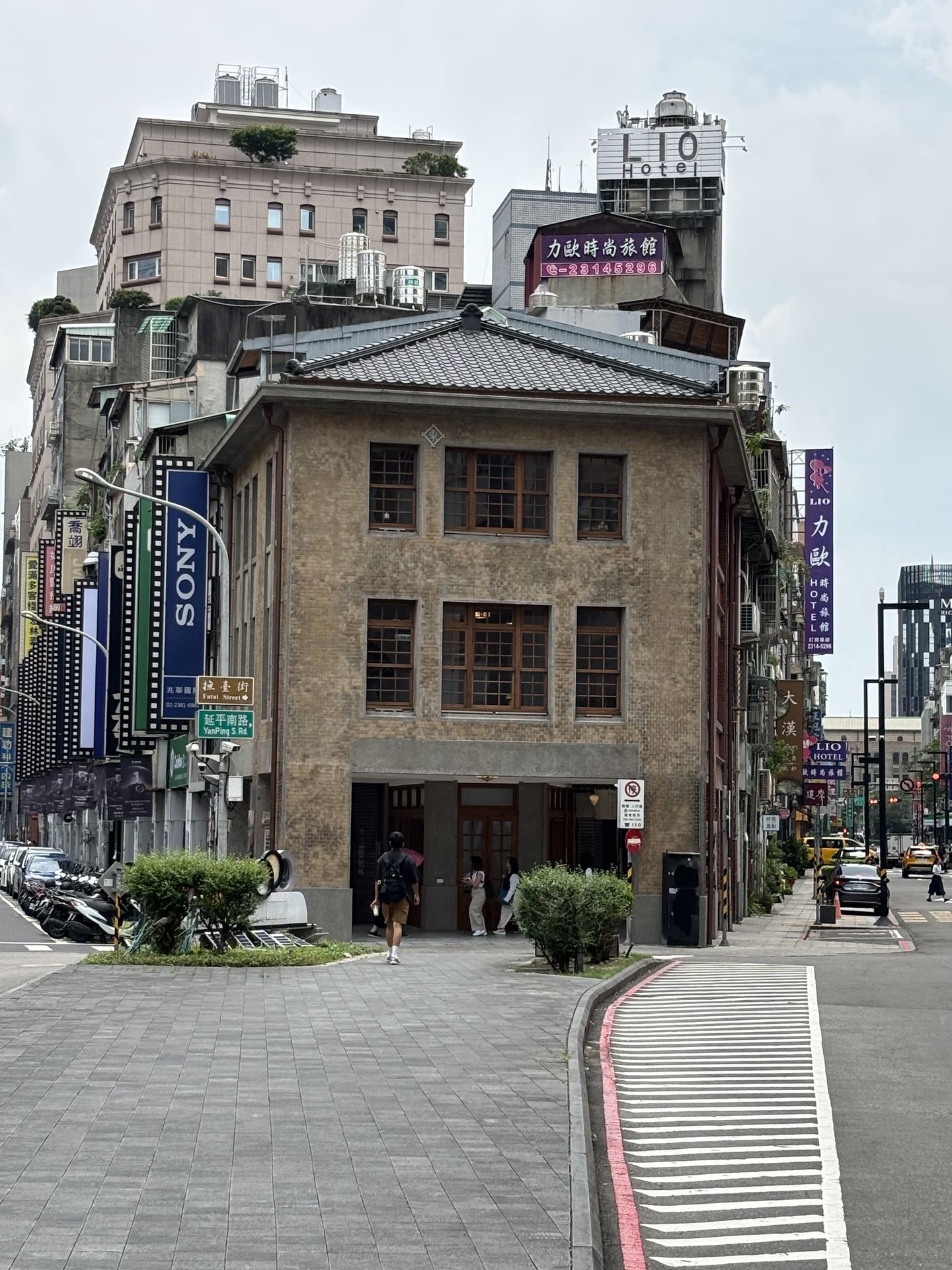
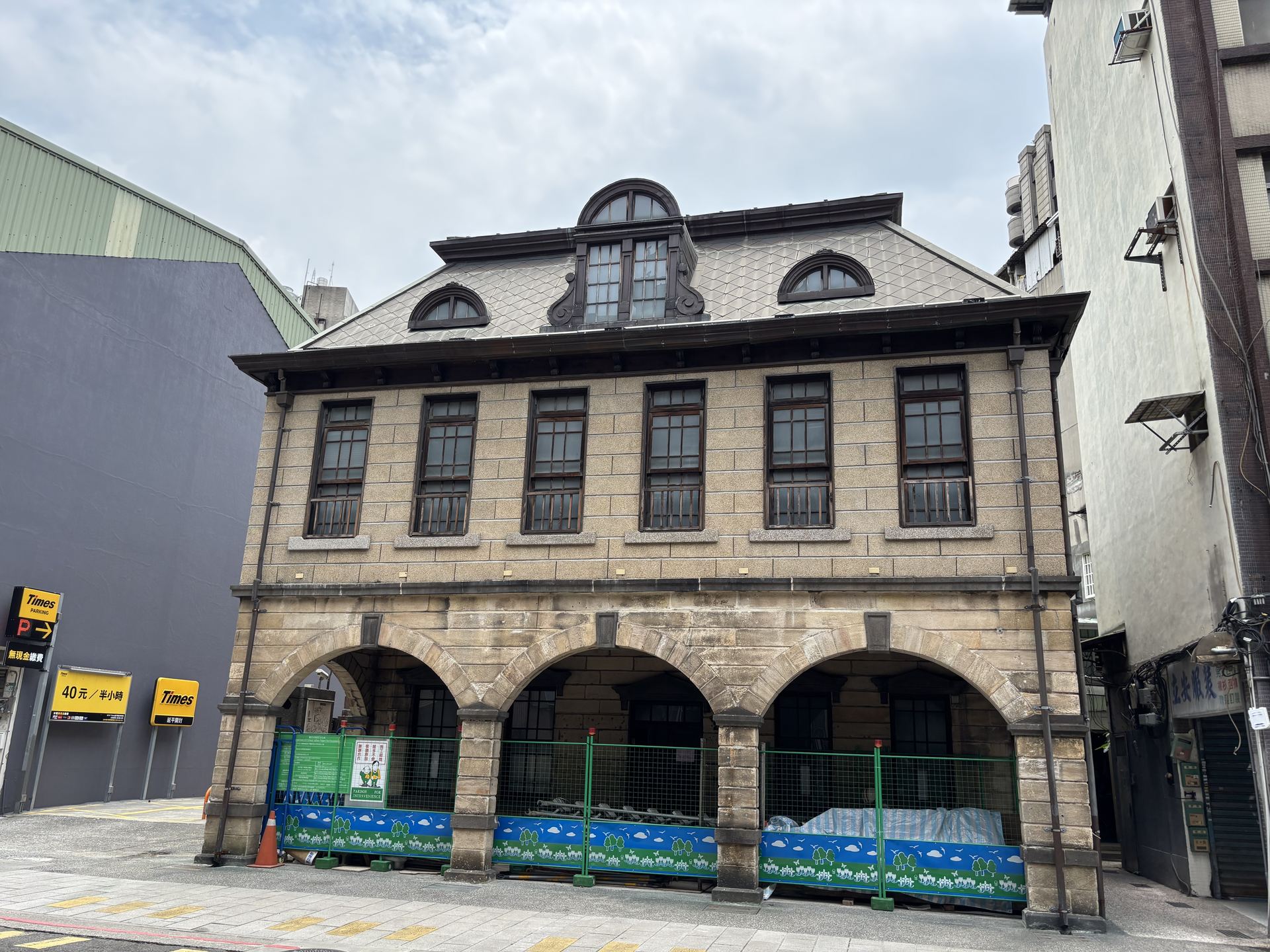
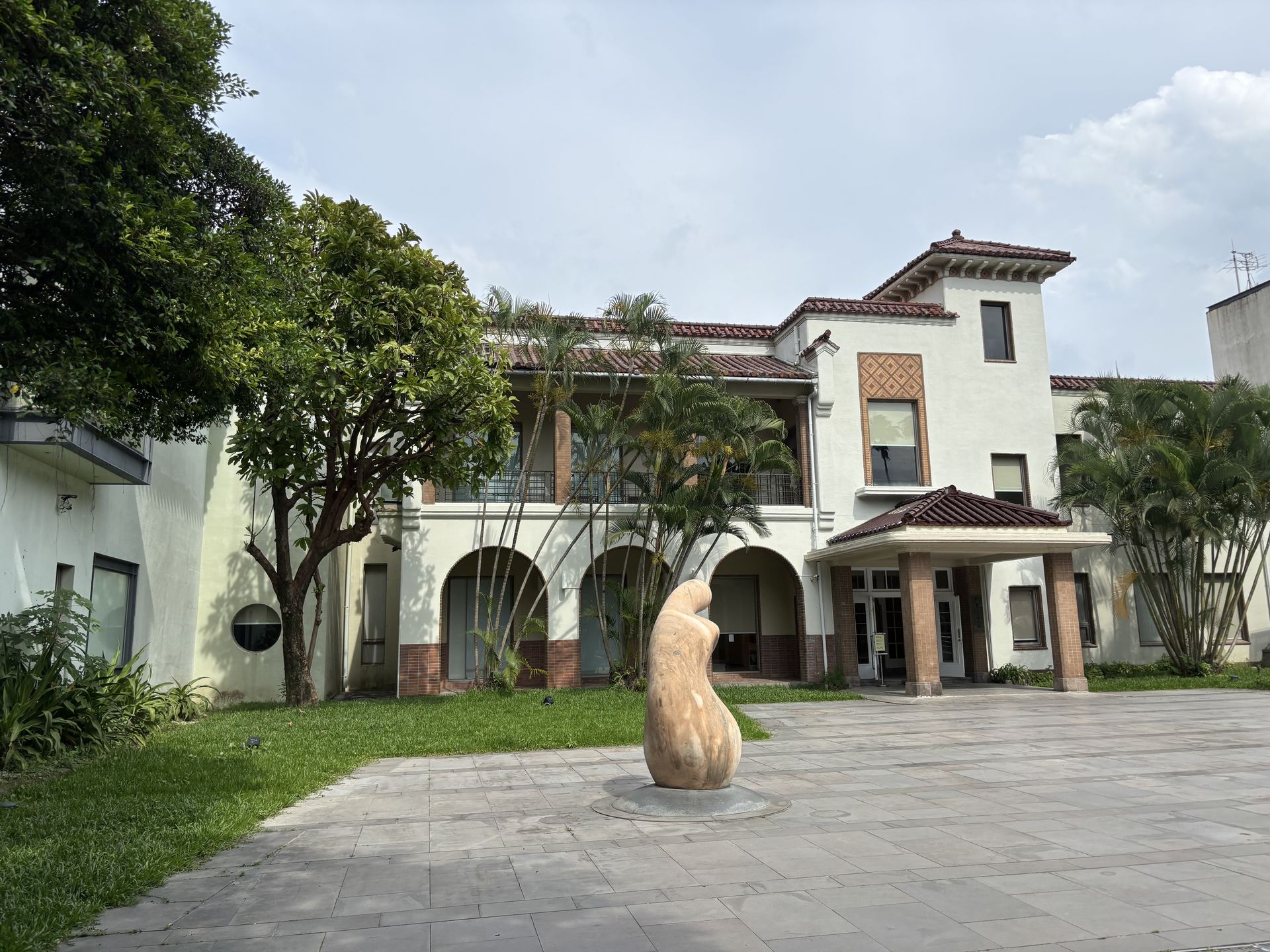
The building was constructed in 1937 as the Taipei Brunch of Osaka Shosen Kaisya (Osaka Mercantile Co., Ltd.), and showcases an Asian Renaissance architectural style.
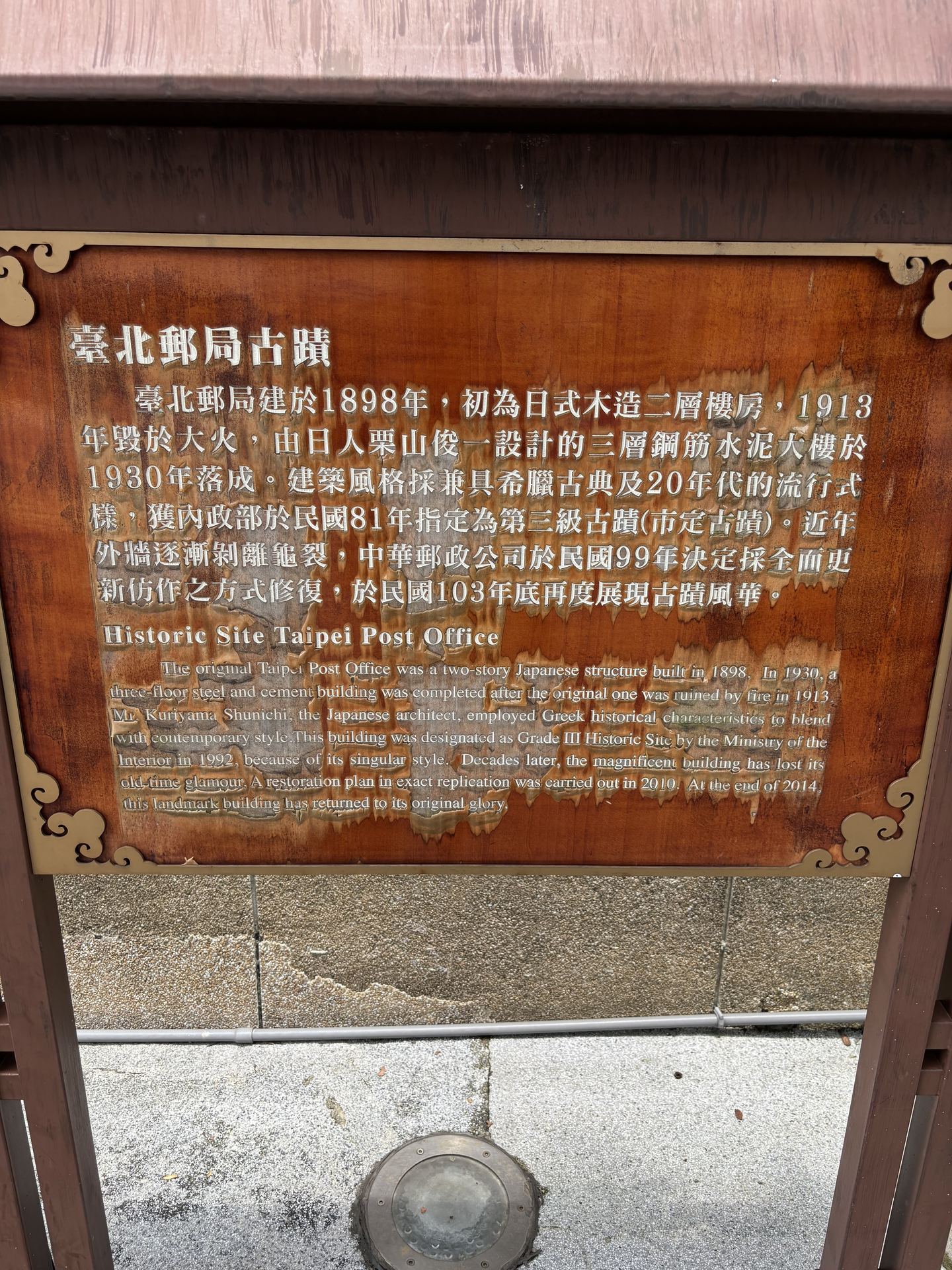
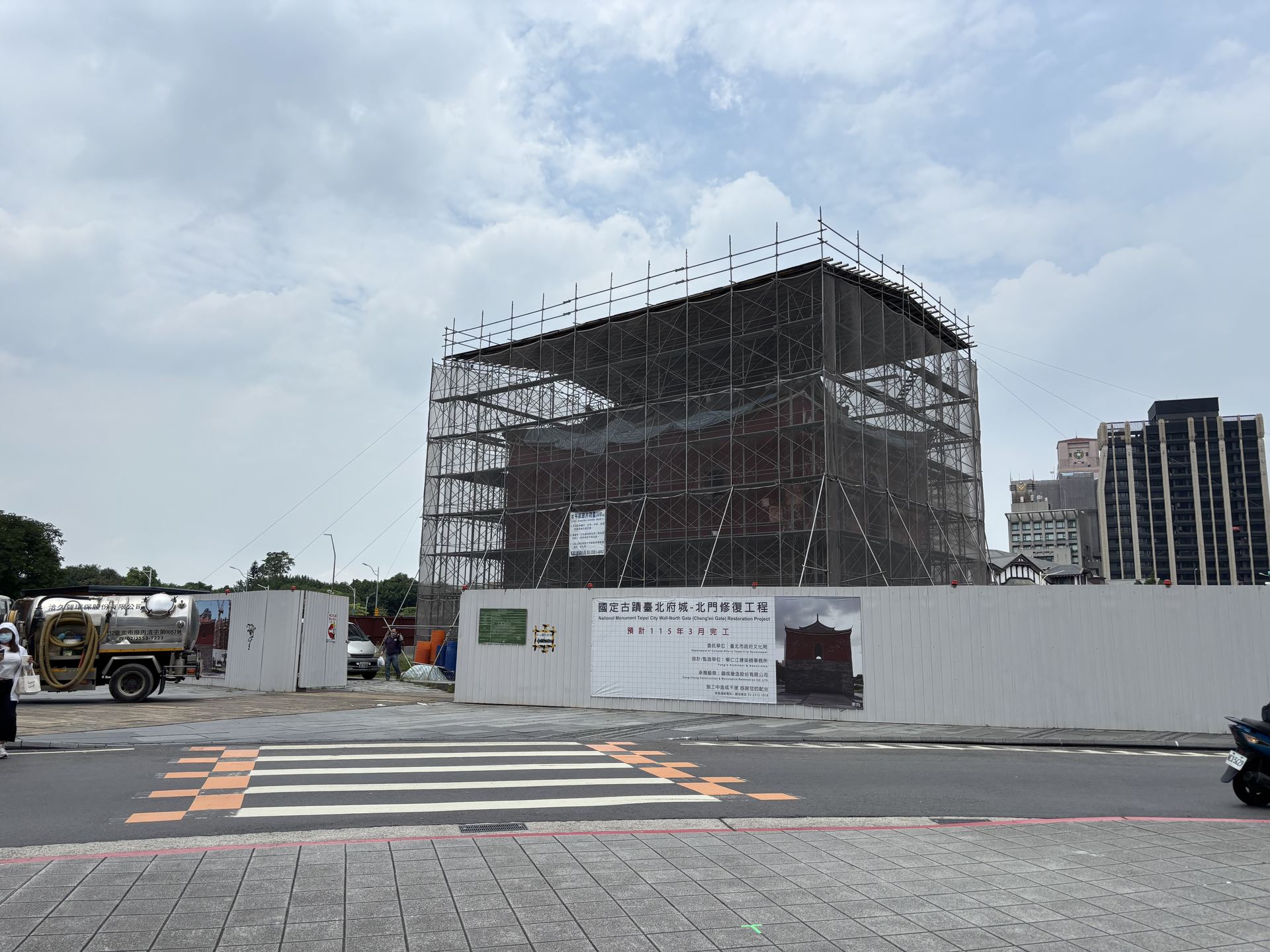
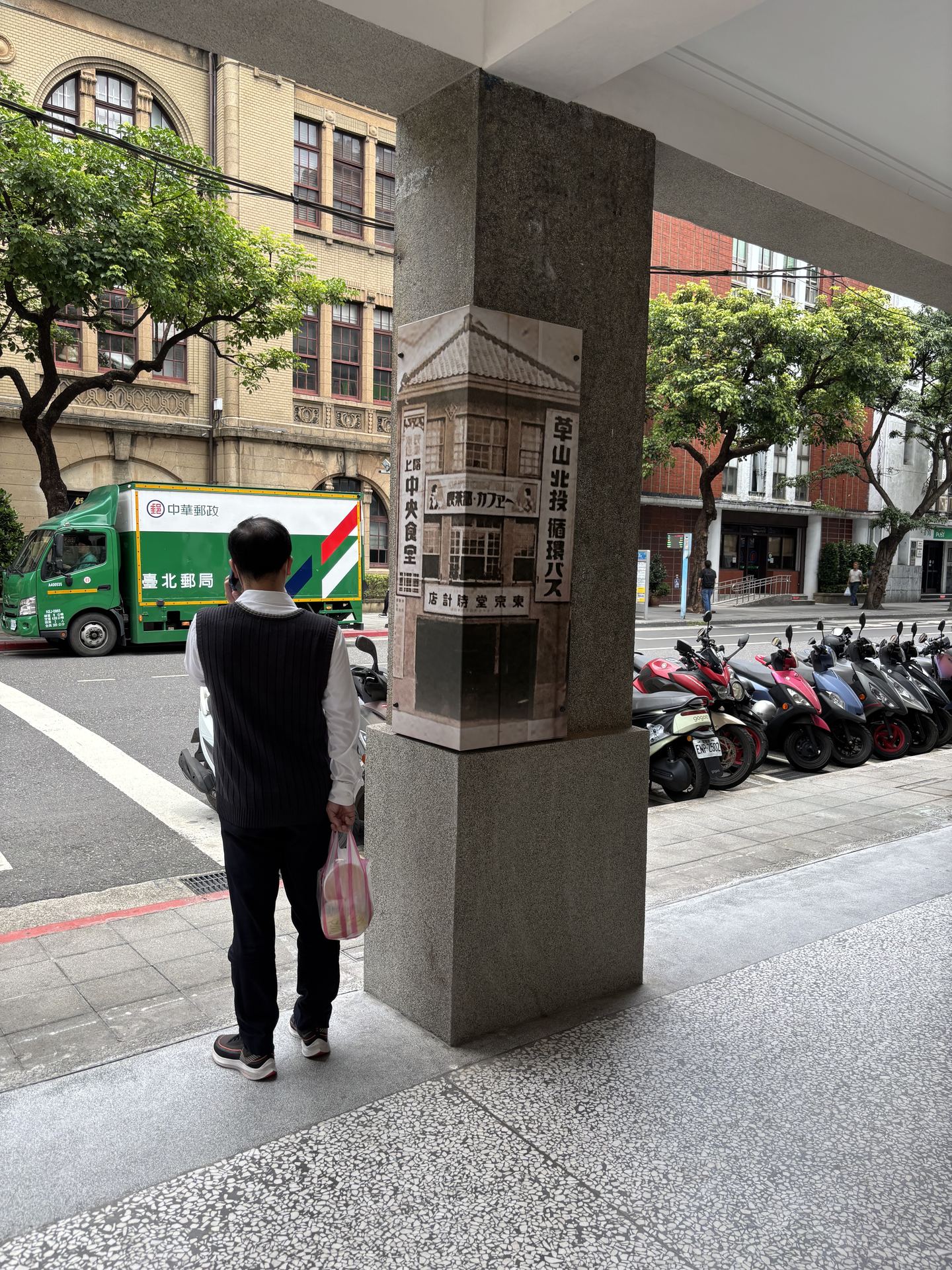
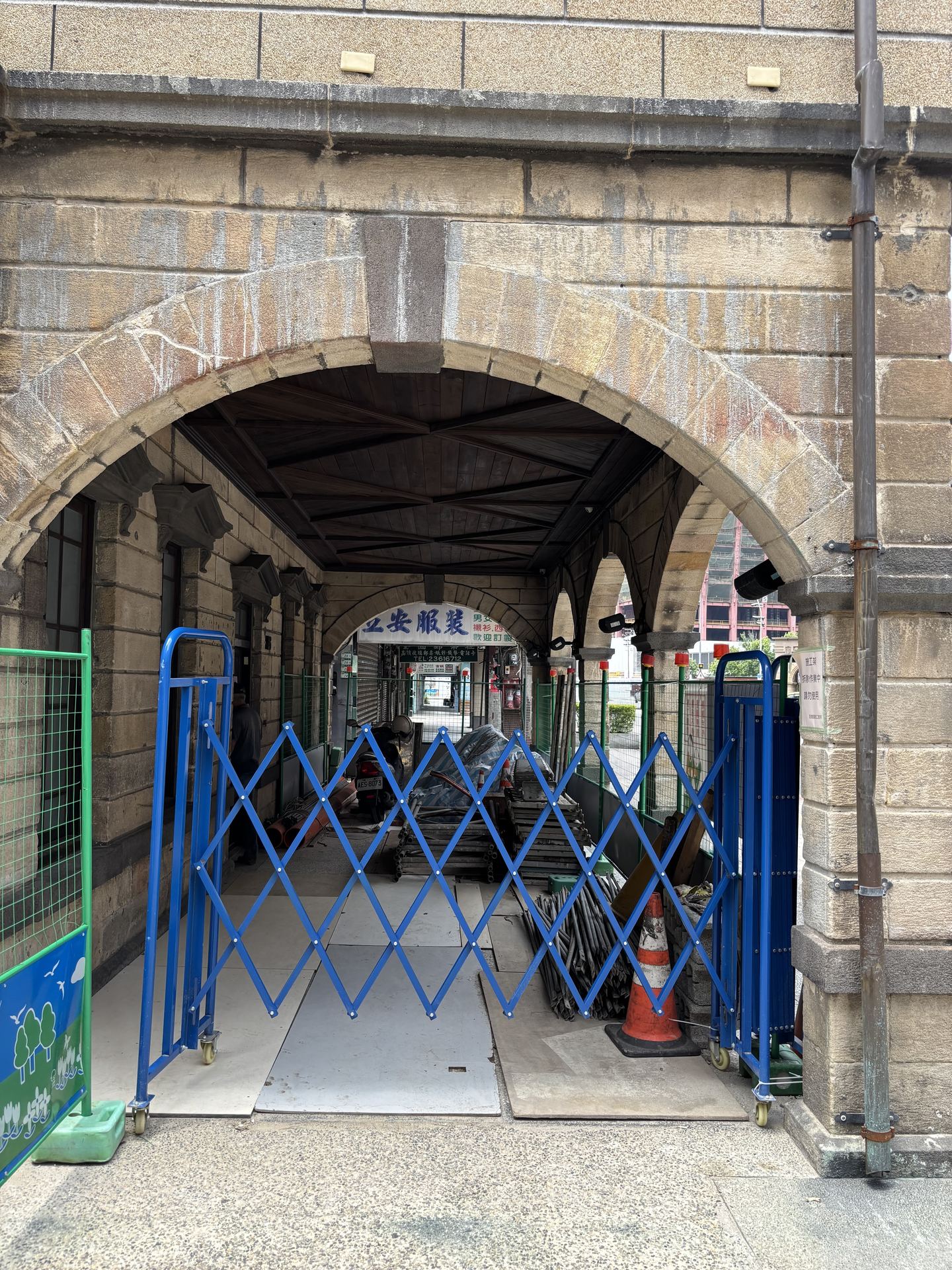
The original building was modernized in the 1960s. However, because of its cultural and historical value, it was remodeled to the original design in 2019. Restoration efforts of heritage building have gained momentum in recent years.