
First Week Diary: Taipei
5/19~5/24
5/19 Chaotic Scenery
After shortly arriving in Taiwan, humidity hit me hard because sticky sweat clung to all my body. While I have grown up in Japan, my body had gotten used to the arid and mild climate in the United States for the past few months. As a side note, Taiwan, California, and Japan have 88, 54, 81 percent of humidity respectively on May 21st.
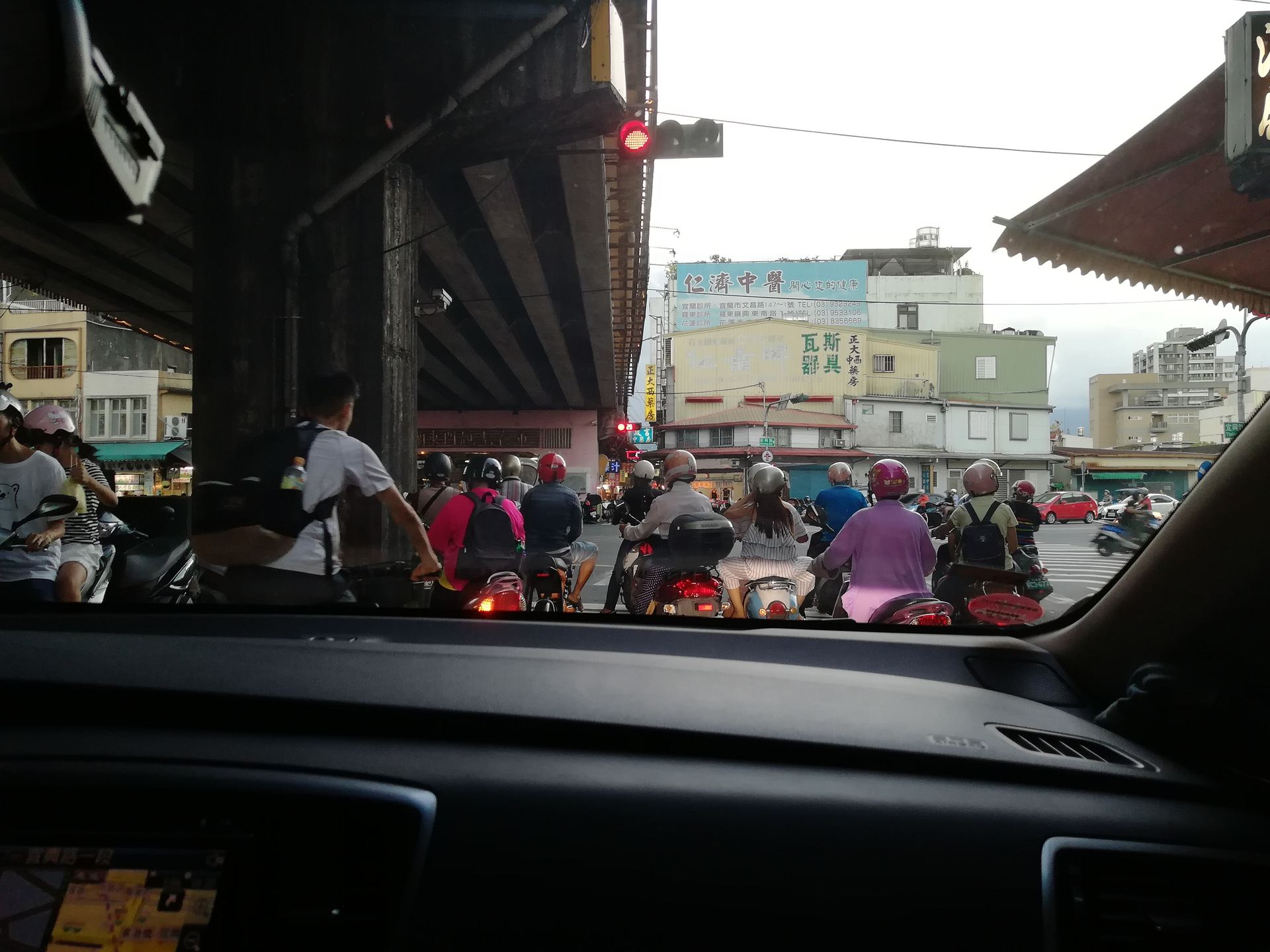
The roads are congested with small motorbikes and cars that frequently switch lanes unpredictably. Sidewalks are obstructed by parked motorbikes, uneven, and largely inaccessible for wheelchairs and baby strollers. The building lining the streets are constructed at various elevations. My legs are hurting.
There are many Japanese businesses, including restaurants, convenience stores, car dealers, and corporate offices.
I was surprised to see that many people still wear masks outdoors. This may be due to seasonal allergies or concerns about air pollution drifting in from China. Even in Japan, where many people are highly cautious about COVID-19 and flu, mask-wearing during the summer months becomes uncommon especially among young people.
Many elderly people are doing tai chi from the early morning at parks.
Long-Awaited Food
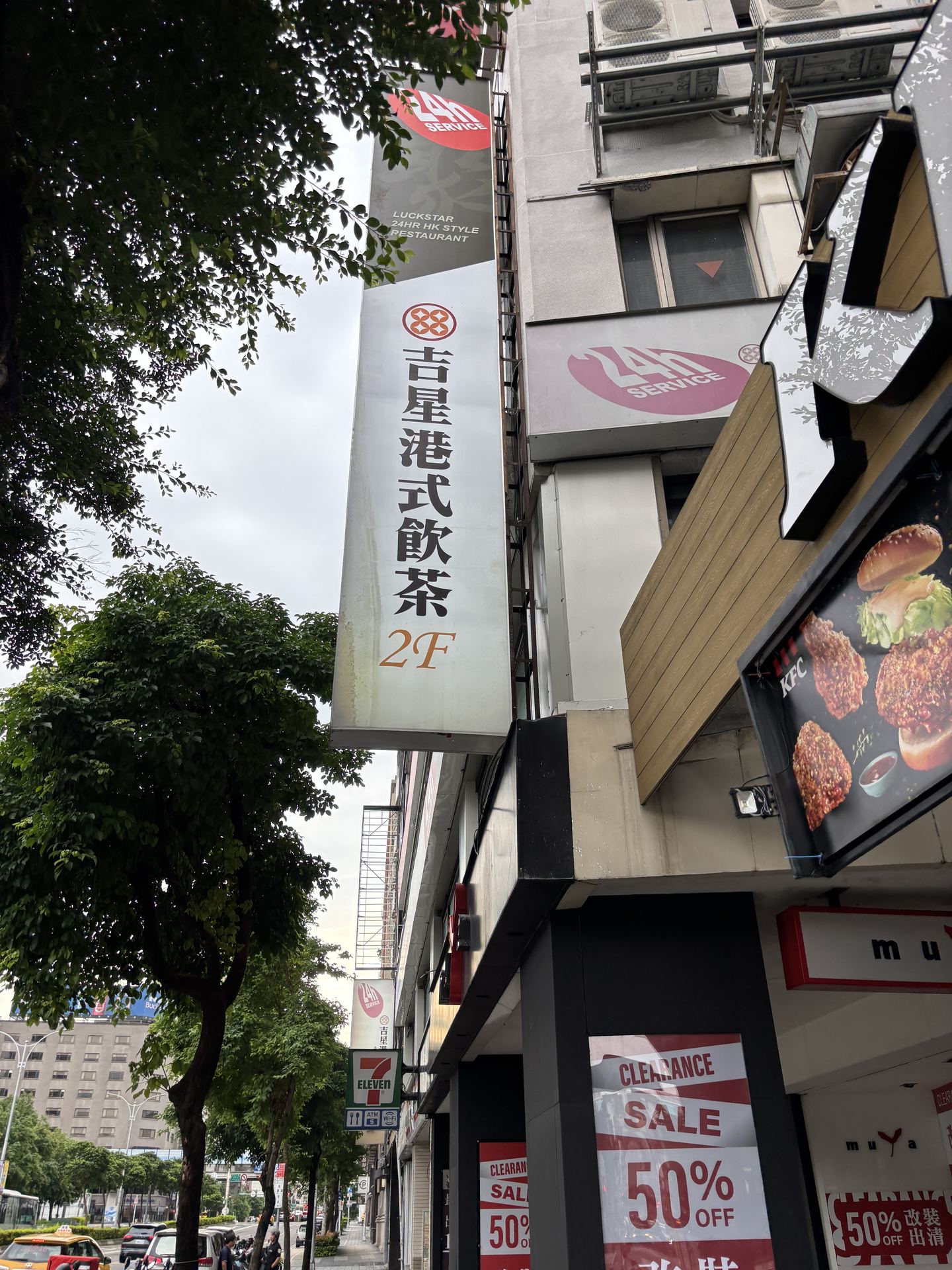
I went to a 24/7 dim sum restaurant for breakfast, and was amazed that there was enough demand for eating dim sum around the clock.
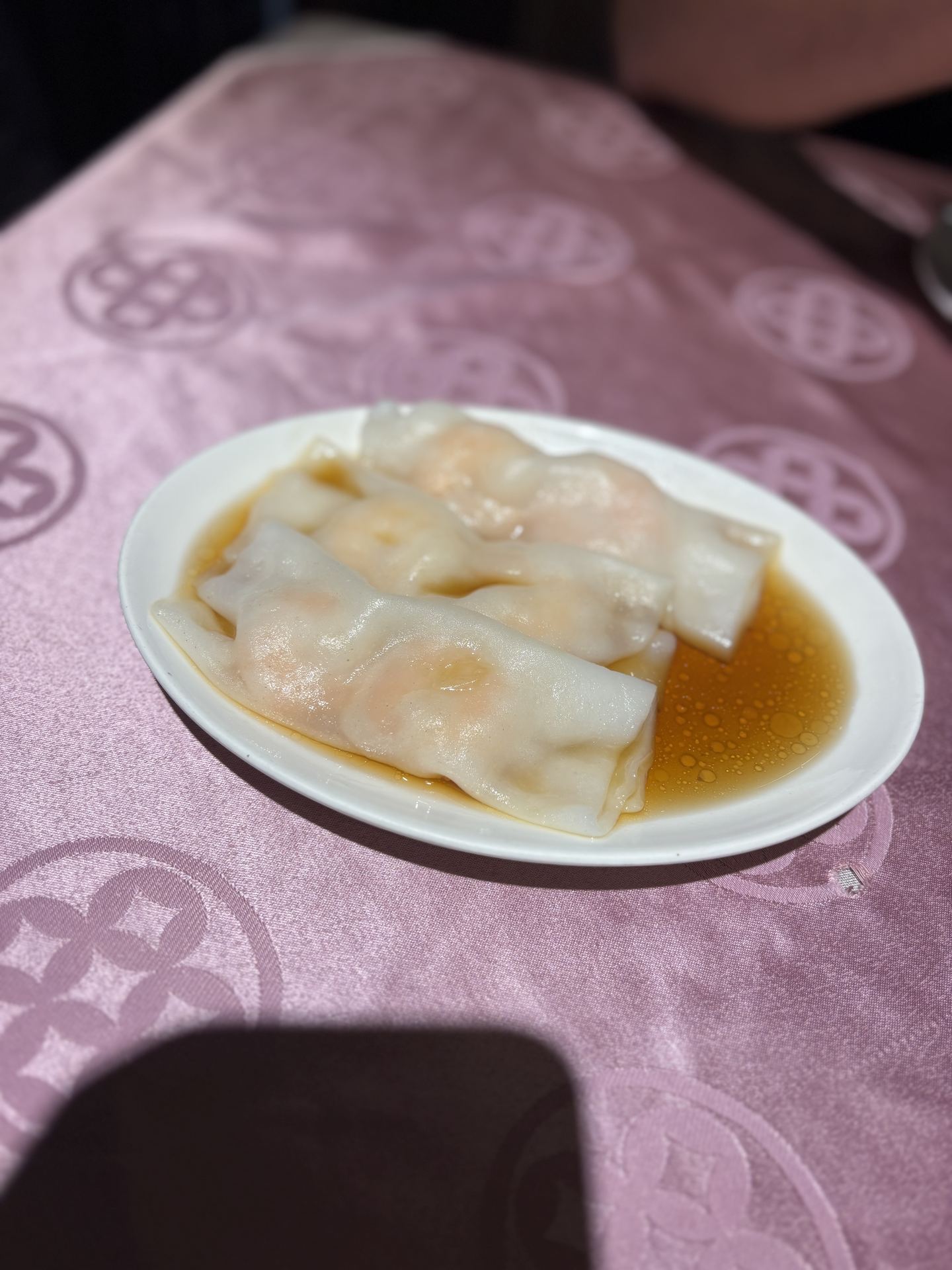
I had Taiwanese fried noodles, shrimp rice noodles rolls, zongzi (sticky rice dumplings), and turnip cakes. It is hard to put in into words but I feel seasoning or spices make the dim sum taste different from the Chinese food I've had in Japan and America––more real.
Gambling Haircut
I hadn't had a haircut in four months, so my hair had grown heavy and long. I wanted to make it thinner asap.
Since I don't speak Chinese and the barber doesn't speak English, so there was not way for us to communicate verbally. I simply showed her a photo of the hairstyle I wanted and asked her to replicate it. As she began cutting, I started to worry she was giving me a mushroom-style cut, which is my least favorite.
In the end, it turned out to be a tolerable mushroom cut.
She then offered to wash my hair, which was a pleasant and refreshing experience, given I was not able to take a shower so long after a 12hr flight. When I noticed a strong odor, I was afraid that she might be applying a perm solution all over my he. Since I was scheduled to have an internship interview in Japan just a few weeks later, having a funky hairstyle was definitely not appropriate for me because of the Japanese working culture. I later found out that it was just a hair treatment.
I'd recommend getting a haircut abroad, as it becomes your memorable experience and gives you a weird hairstyles.

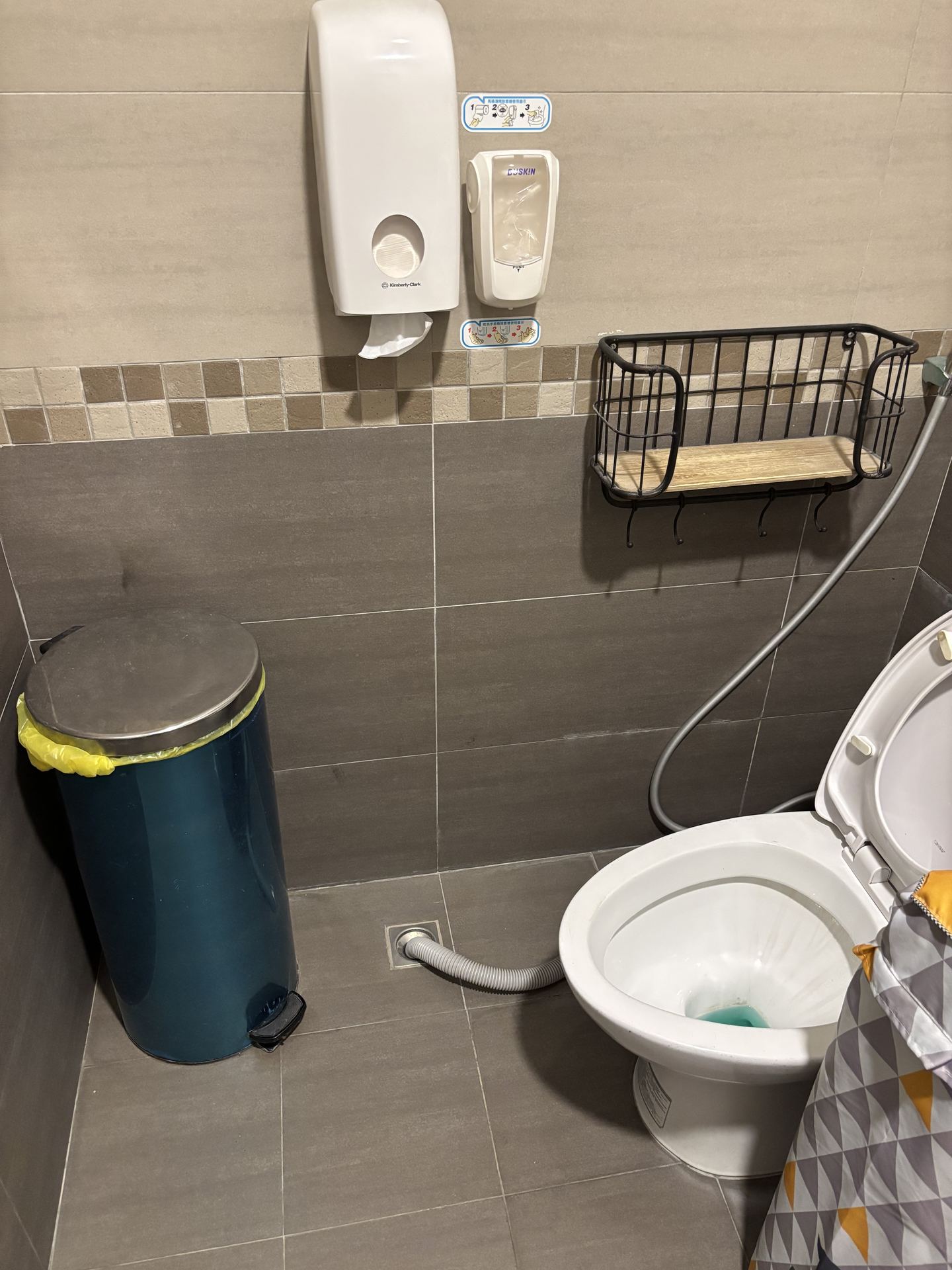
No Toilet Paper
Toilet paper is sometimes not flushable in many restaurants, hotels, and public restrooms. There is usually a large trash bin next to the toilet for disposing of used paper. Even when the toilet paper is technically flushable, the water pressure is often weak. Thus, you have to flush carefully to avoid clogging. My habit of abandoning used paper sometimes outweighs new rules. I became cautious many times but the small amount of paper usually turned out to be fine.
Disturbing Air-conditioning
The air-conditioning in my hotel room wasn't working properly. Although there were two vents on the ceiling, only one was blowing air. It was too hot for me to sleep.
I called the front desk to ask for help, but the staff member simply handed me the manual and couldn't figure out the problem. Later, a technician came, but he didn't speak English and had to use google translate to communicate. It turned out that the system was a circular one, so cool air comes out only from one side while hot air is expelled from the other. I understood that, and quietly waited for hours for the room to finally cool down.

5/20 English Is Not the Universal Language Here...
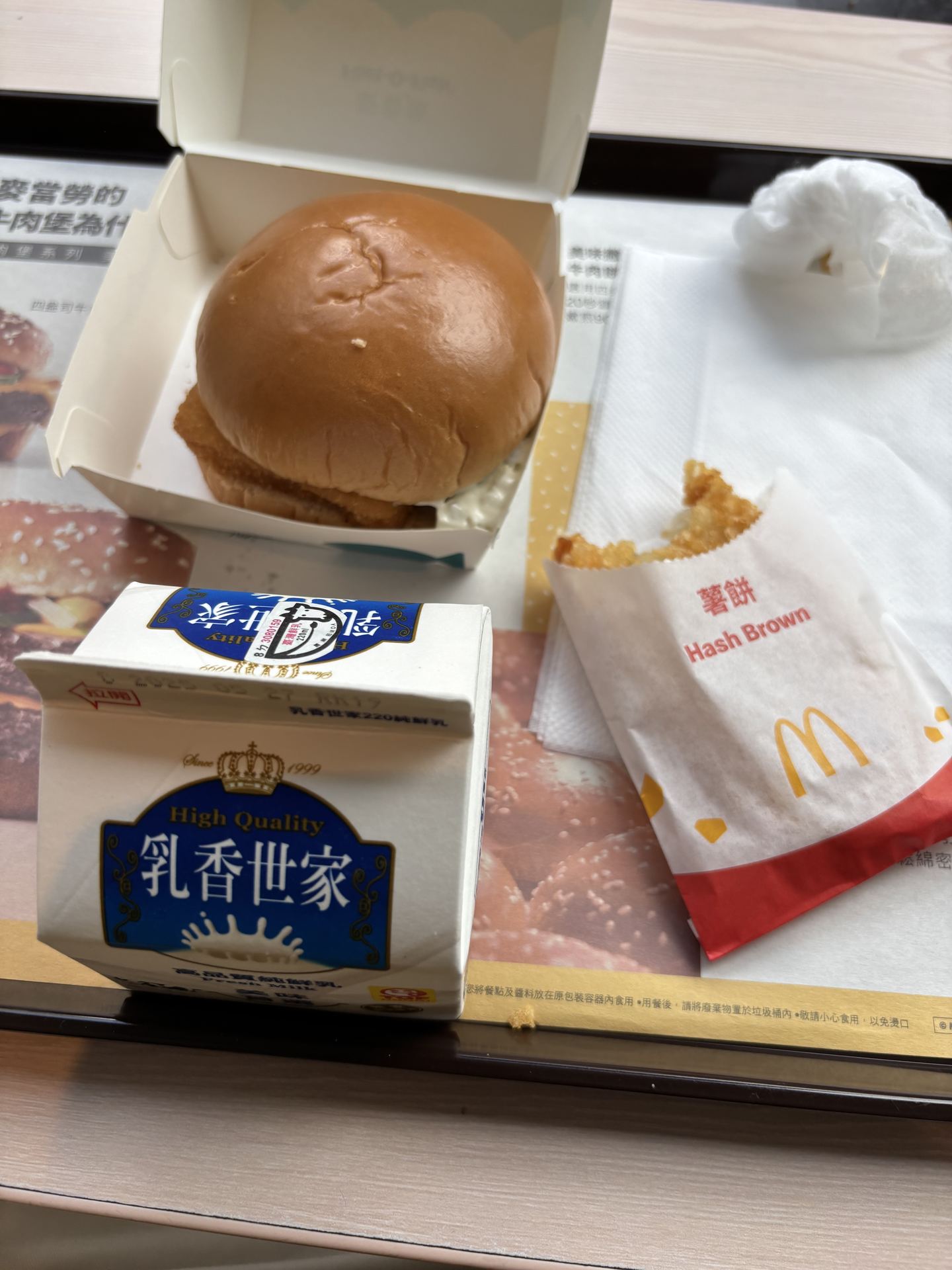
I chose my hotel based on its affordable price and convenient location, fully aware that its breakfast had terrible reviews on Google. This morning, I decided to eat out. Since I hadn't searched breakfast spots in advance, I headed to the McDonald's next to my hotel.
I browsed the English menu on the self-ordering kiosk, but it only accepted credit cards or IC cards. I wanted to use cash so I went to the counter. I tried to order a hamburger combo, but the cashier did not understand a single word in English. She literally held her head in her hands. Even "milk" was not recognized by her. I barely guessed the word milk from the Chinese menu and pointed it out correctly because Japanese use similar Chinese characters.
Based on my experience in Japan, I know that many people are unable to or unwilling to speak English. However, I felt that most Japanese people would at least understand basic words like milk. I realized speaking English is really uncommon in Taiwan.
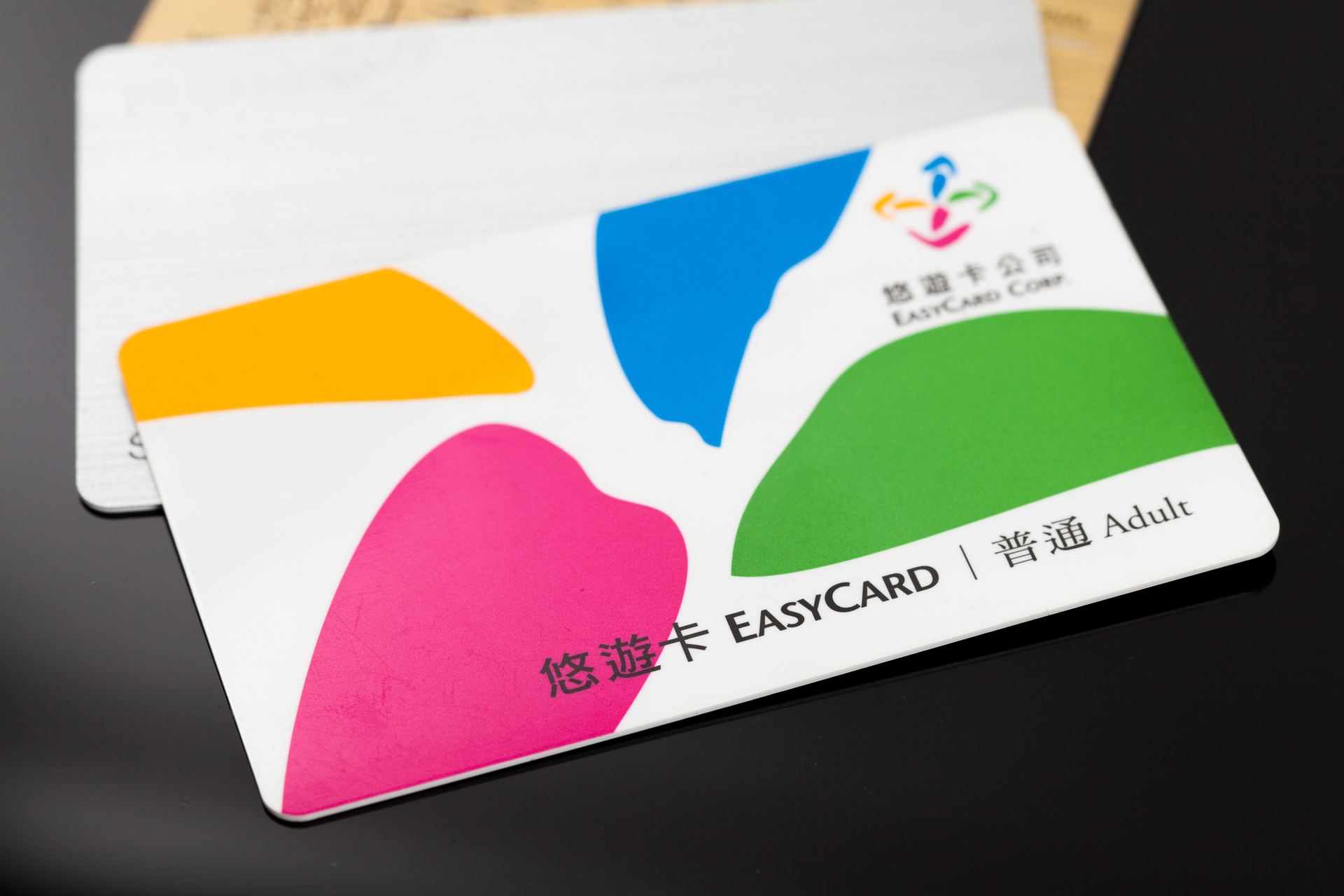
Easy Card
It is an IC card that can be used for transportation services, such as trains, buses, and taxis, and convenience stores. You can load it with cash in advance at train stations.
Trains
Transportation fares are affordable and lower than those in Japan. The hand straps and train ceilings are set lower, aligning with my eye level even though I am not a tall person.
It was striking to observe that many people were sitting directly on the ground at train stations and along roads while waiting for others or reading books. Many listened to music or watched videos without ear buds, and public conversations are loud.