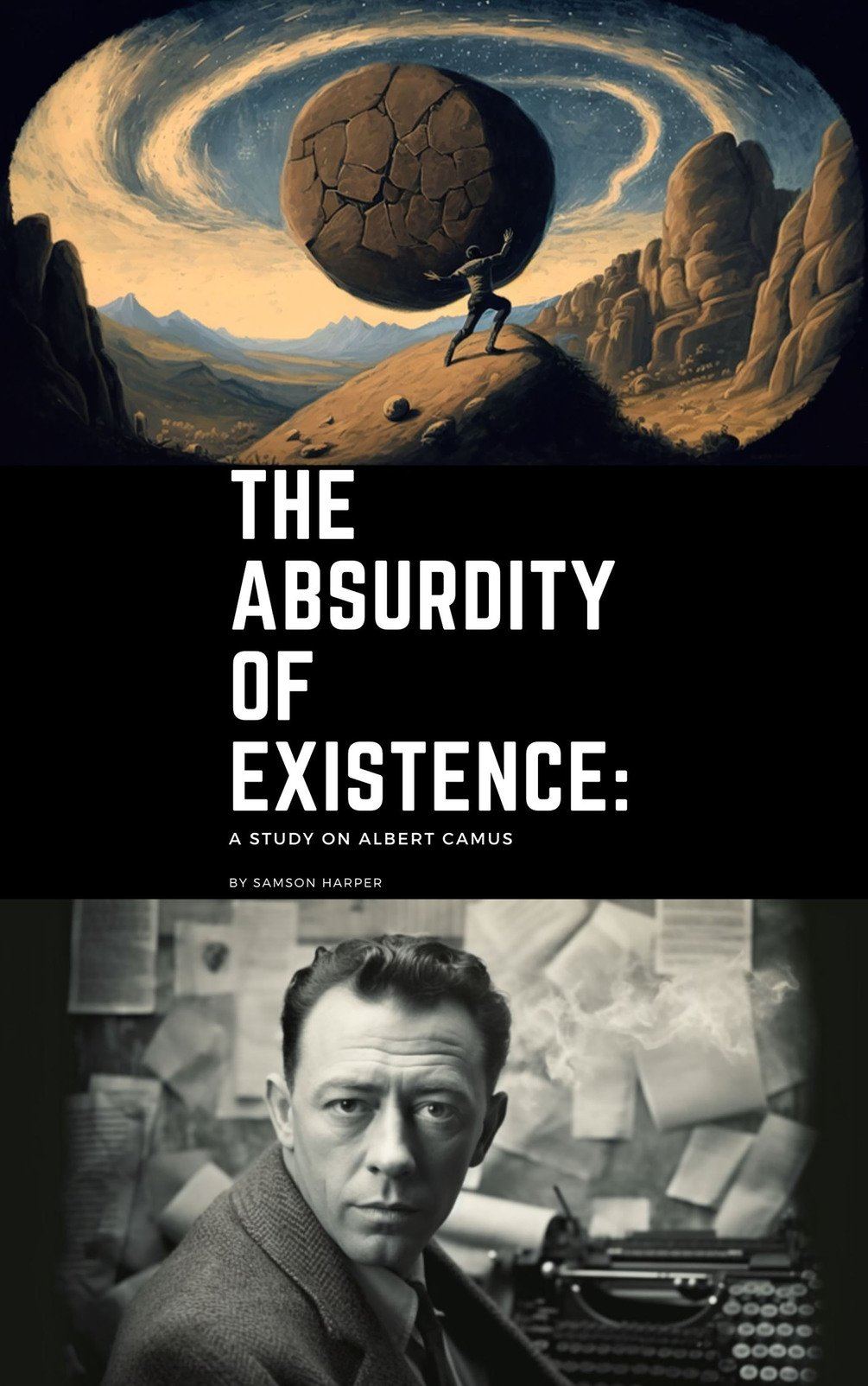
The Absurdity of Existence: A Study on Albert Camus - Comprehensive Analysis
Explore the life, philosophy, and literature of Albert Camus in this in-depth study. Understand the essence of absurdism and Camus's lasting influence on modern thought.
📘Introduction to the Subject
Dive into the realm of existential philosophy and uncover the profound insights of one of the 20th century's most seminal thinkers, Albert Camus. In 'The Absurdity of Existence: A Study on Albert Camus,' author Samson Harper presents a meticulous exploration of Camus's life, his literary works, and his philosophical contributions, particularly in the realm of absurdism. This compelling study not only analyzes key texts like 'The Stranger,' 'The Plague,' and 'The Rebel,' but also places Camus's ideas within the socio-political landscape of his time.
This page provides an overview of Harper's comprehensive examination, highlighting how Camus's thoughts resonate in contemporary discourse. Whether you're a seasoned philosopher or a curious reader seeking to understand the nuances of absurdism, this book promises to be an invaluable resource. Embark on a journey through Camus's profound legacy and discover the enduring relevance of his ideas today.
📚Camus's Core Philosophies and Key Works
📖Analyzing Camus's Core Philosophies
'The Absurdity of Existence: A Study on Albert Camus' by Samson Harper delves deep into the cornerstone of Camus's thought—absurdism. Absurdism posits that human beings exist in a purposeless, chaotic universe and that the search for meaning is inherently fruitless. Harper meticulously dissects how Camus arrived at this conclusion through his seminal works.
In 'The Stranger,' Camus explores the detachment and emotional indifference of modern life. Harper argues that the protagonist, Meursault, epitomizes the absurd hero who lives without a clear purpose or emotional attachment. 'The Plague' extends this absurdist perspective to a community level, portraying a society stricken by an indifferent calamity and the varied human responses to it. Lastly, 'The Rebel' presents a philosophical struggle against the very absurdity that Camus outlines, offering a nuanced view of human rebellion in the face of meaninglessness.
Additionally, Harper contextualizes Camus’s works against the backdrop of the socio-political environment of the early to mid-20th century. The rise of fascism, World War II, and existentialist currents of thought profoundly influenced his writings. This book, thus, not only serves as a lens into Camus's philosophy but also as a historical document reflecting the intellectual climate of his era.
🌟Camus's Influence and Legacy: A Lasting Impact
🌟Camus's Influence and Legacy
Albert Camus's impact on literature, philosophy, and even political thought is profound and far-reaching. 'The Absurdity of Existence: A Study on Albert Camus' by Samson Harper dives into the numerous ways Camus has influenced contemporary thinkers, artists, and societal structures. Harper presents an intricate tapestry of Camus's ongoing relevance and how his ideas continue to inspire critical discourse.
Camus's exploration of absurdism paved the way for existentialist philosophy to permeate modern thought, influencing writers such as Jean-Paul Sartre and Samuel Beckett. Harper meticulously delineates how Camus's philosophy has been both celebrated and critiqued, making his works fertile ground for academic debate.
Moreover, Harper examines Camus's political engagements, particularly his stances on colonialism and totalitarianism. Camus's editorial work for 'Combat,' his vocal opposition to authoritarian regimes, and his nuanced perspective on the Algerian War are explored in depth, providing readers with an understanding of his intellectual courage and complex political positioning.
The final chapter of Harper's study reflects on Camus's enduring legacy in the 21st century, considering his influence on contemporary social and philosophical movements. For anyone invested in understanding how Camus's thoughts continue to resonate, this book is an essential read.