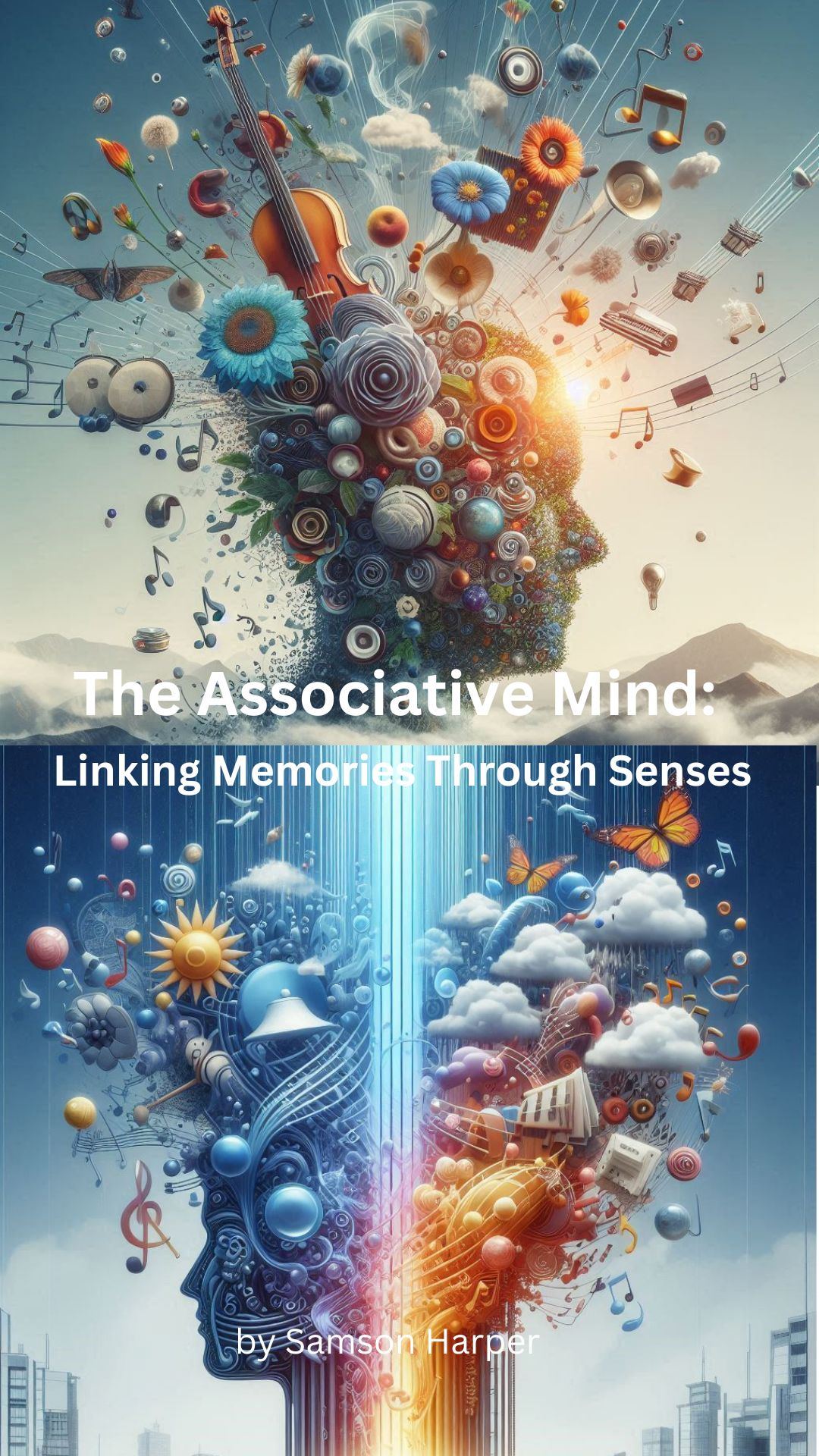

🧠Understanding the Depths of Associative Memory
Memory is not a simple retrieval system; it is a dynamic and intricate process involving a complex interplay between our senses and the information we store. In "The Associative Mind: Linking Memories Through Senses," we examine how sensory experiences—sight, sound, smell, taste, and touch—play an indispensable role in shaping our memories. This exploration reveals that our senses serve as entry points to vivid and emotionally charged recollections, forming a tapestry of interconnected memories. The book sheds light on several aspects: the mechanisms behind associative memory, the significant role of emotions in memory formation, the effects of aging on our cognitive capabilities, and the potential therapeutic uses of sensory cues for individuals facing memory challenges, such as Alzheimer’s disease and PTSD. By utilizing mnemonic techniques like the memory palace, we can greatly enhance our recall capabilities through spatial memory. This comprehensive journey into the realm of associative memory ultimately emphasizes the power of sensory triggers, helping us better understand how they intricately shape our identities and experiences.
🔍The Intricacies of Associative Memory
The phenomenon of memory is often perceived as a straightforward process, yet it is marked by intricacy and depth. Associative memory stands at the core of our recollection abilities, where memories aren’t isolated entities but rather interconnected threads woven through our various sensory experiences. Every sensory modality—vision, sound, taste, touch, and smell—plays a pivotal role in memory formation and retrieval. When we encounter a specific scent, for instance, it can trigger vivid memories associated with that fragrance, highlighting how olfactory inputs can evoke powerful emotions and recollections.
Neuroplasticity, the brain's ability to reorganize itself by forming new neural connections, is fundamental in explaining how we create and modify these associations. The brain adapts both through experience and by utilizing distinct pathways for different types of memories. This adaptive capacity is particularly crucial for aging individuals, who may experience memory decline but can benefit from personalized interventions that leverage their sensory experiences. For example, music therapy has shown promise in aiding dementia patients, as familiar songs can elicit nostalgic memories and bring individuals back to a time of clarity.
Additionally, emotions serve as significant facilitators of memory retention. Memories associated with strong emotional states are often recalled more readily than neutral memories, a phenomenon well-documented in psychological research. This emotional connection deepens our experiences and allows us to navigate our identities while informing our decisions based on past experiences. Applications of this understanding can lead to effective strategies for improving memory, as seen in the use of mnemonic devices like the memory palace technique. This technique employs spatial memory by associating information with specific locations, significantly enhancing recall capabilities.
As we delve deeper into the multifaceted landscape of associative memory, it becomes incumbent upon us to explore how utilizing sensory triggers can be a tool for healing and cognitive improvement, especially for individuals adversely affected by memory impairments. By understanding the mechanics of memory, we can better appreciate its intricate nature and foster environments that promote memory health, ultimately enriching our mental lives and connections to the world around us.
🔍Deepening Understanding: Sensory Connections and Memory
🧩Exploring the Legacy of Memory
The intricate network of associative memory underscores our continuous engagement with the world through our senses. This web of connections is not static; it evolves and changes over time as we encounter new experiences and information. Every moment we experience is intricately tied to our sensory perceptions, which in turn influences how we store and retrieve memories. For instance, the scent of vanilla may transport someone back to childhood memories spent in the kitchen with a loved one, while a particular song may rekindle the excitement of a memorable life event.
Understanding the nuances of memory is essential, especially in today’s fast-paced and often overwhelming environment. The cognitive load can hinder our ability to efficiently encode and access memories. As a result, we may overlook the significance of small sensory cues that can facilitate memory recall. Engaging with our memories through sensory activities—such as cooking, listening to music, or walking in nature—can enhance connections to our past and foster a sense of presence in our current lives.
The therapeutic potential of touch, taste, sight, sound, and smell in memory recall is an area of increasing interest. Approaches that utilize sensory stimuli not only aim to restore cognitive functions but also improve emotional well-being. For example, in patients with Alzheimer’s disease, interventions using familiar aromas can create comfort and reduce agitation, demonstrating the profound effect senses can have on emotional states and cognitive clarity.
Furthermore, exploring advanced techniques, such as visualization through the memory palace method, emphasizes the art of connecting new pieces of information with existing memories. By creating mental images of familiar places and associating them with the topics one wants to remember, individuals can strengthen their recall abilities remarkably. This technique highlights the importance of active participation in the memory process, transforming the seemingly passive act of memory recall into an engaging and dynamic experience.
Overall, the ongoing study of associative memory encourages not only academic exploration but also personal discovery. It implores us to recognize our sensory environments and use them to our advantage in accessing the wealth of memories that shape our identities and experiences in profound ways.
🔑The Continuing Journey of Memory
As we deepen our investigation into associative memory, we begin to realize that each review of our memories is not merely a recall of past events; rather, it is a dynamic process influenced by the contexts of our present. The notion that we can reconstruct memory experiences in light of current emotions and knowledge speaks to the malleable nature of memory itself. Therefore, understanding the science behind associative memory can empower individuals to consciously strengthen their emotional and cognitive states.
Additionally, the implications for societal well-being are extensive. Memory plays a critical role in maintaining social ties and shared experiences. Communities can leverage sensory stimuli to create shared memories—be it through communal meals, music festivals, or art exhibitions—which can foster stronger connections and improve social cohesion.
In conclusion, exploring the dimensions of associative memory leads us to greater self-awareness and competence in crafting our narratives. The book, "The Associative Mind: Linking Memories Through Senses," is a gateway into this intricate world of memory, offering insights that will prove valuable to anyone interested in psychology, therapy, or simply understanding oneself better. By learning to engage with our memories actively through the lenses of our senses, we set the stage for a richer and more meaningful engagement with both past experiences and present contexts.
Engagement with our sensory memories not only reinforces our identity but also serves as a tool for healing and growth.