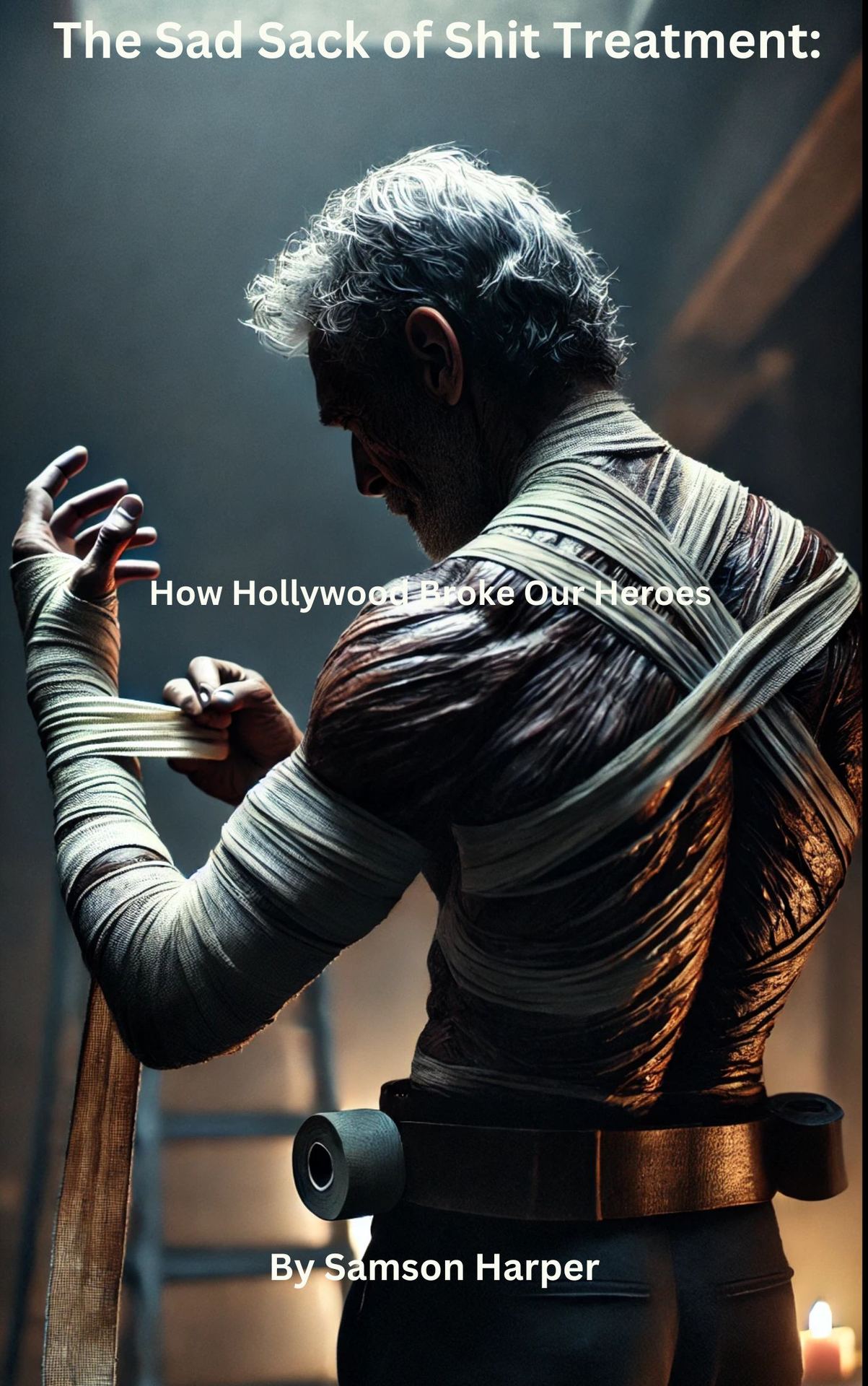
The Sad Sack of Shit Treatment:
How Hollywood Broke Our Heroes

🎥Exploring The Sad Sack of Shit Treatment
In the realm of cinema, heroes have long served as beacons of hope and integrity. However, in recent years, the revival of these iconic figures has taken a troubling turn, as they are often portrayed as disillusioned and broken rather than the valiant characters we once cherished. This phenomenon, referred to as The Sad Sack of Shit Treatment, raises questions about the motivations behind these creative choices and their impact on audiences. Through a critical examination of popular films and franchises, including Indiana Jones and the Dial of Destiny and The Last Jedi, this book dives deep into the narrative strategies utilized by filmmakers to alter the legacy of beloved characters. By dissecting the cultural implications and audience reactions to such portrayals, we aim to foster discussions on how nostalgia has been weaponized, creating a disconnect between heroes and the fans who long for their former glory. As we explore this troubling trend, we uncover the emotional and psychological nuances behind the characters’ transformations, supporting our thesis that a hero’s legacy should evoke inspiration rather than disappointment.
🔍Delving Deeper into Hollywood's Hero Crisis
🤔Cultural Implications of Hero Reductions
The implications of transforming heroic figures into disillusioned entities extend far beyond mere storytelling; they reflect societal anxieties and changing cultural landscapes. As these characters grapple with themes of failure and disappointment, they resonate with audiences who themselves may be wrestling with uncertainty in a rapidly evolving world. This shared experience highlights the growing complexities of hero narratives, but also perpetuates a sense of nostalgia that simultaneously captivates and disheartens viewers. Audiences who once looked to these heroes for inspiration now find themselves questioning what it means to be a hero in today's context. Moreover, this trend suggests a disconnection between creators and their audience; when beloved characters are reimagined in such detrimental ways, it poses the risk of alienating fans who cherished their original ideals. By examining this narrative shift in films, we explore the need for a balance between honoring the past and innovating for the future—a call for creators to recognize that a hero's journey should still inspire hope and resilience, rather than wallow in failure and sorrow.
😢The Deterioration of Cinematic Heroes
The transformation of beloved cinematic heroes into mere shadows of their former selves encapsulates a broader commentary on society’s changing values and priorities. As we revisit our iconic characters, rather than celebrating their achievements, films more frequently highlight their failures, regrets, and vulnerabilities. This decay of heroic idealism can be traced back to an industry rapid to capitalize on nostalgia without understanding its true depth. Notable examples include the depiction of characters like Indiana Jones, who in his latest installment is portrayed as a relic of a bygone era facing a world that has left him behind. Furthermore, Luke Skywalker, once the embodiment of hope, is reduced to a retired figure plagued by despair and disappointment. This trend towards the 'Sad Sack' archetype raises questions about the narratives being crafted around these figures. Are filmmakers reflecting the precariousness of modern existence, or are they merely undermining the legacies of these heroes for shock value? In asking these questions, we must confront the uncomfortable reality that Hollywood's creative process is often swayed by cultural anxieties that lead to alienating portrayals of characters who were once designed to inspire.
📉The Rise of the Sad Sack Archetype
The Sad Sack archetype signifies a narrative shift in Hollywood, where once-pristine icons of heroism are recast as disillusioned figures navigating the complexities of modern existence. This trend can be tracked across a range of franchises, illustrating how nostalgia has been manipulated to evoke emotion, albeit in a way that alienates longtime fans. For instance, in films like 'Terminator: Dark Fate,' the supposed savior of humanity is depicted as a tired, reluctant hero, stripped of agency and motivation. This reflects a broader industry pattern where filmmakers prioritize dramatic tension over character integrity. As we dissect these changes, we uncover a troubling truth: the yearning for nostalgia often overshadows the need for meaningful character development. This leads to a dual tragedy—heroes are both stripped of their legendary status and subjugated to narratives that perpetuate cynicism rather than inspiration. Understanding this complex evolution becomes critical for fans and storytellers alike, as it offers insights into the emotional void left when heroes are represented through the lens of defeat rather than resilience. The implications of these portrayals resonate deeply with audiences, compelling them to question the narratives being crafted in the name of rebirth and revival.

🌟What Audiences Want: The Future of Storytelling
As we reflect on the evolution of hero narratives in Hollywood, it becomes increasingly clear that audiences desire more than just nostalgia—they seek authentic characters who embody both the trials and triumphs of the human experience. Fans of franchises are expressing fatigue over portrayals that strip their heroes of agency and positivity, opting instead for narratives that honor complexity without devolving into despair. The mixed reactions to characters like Luke Skywalker and Indiana Jones signal a critical conversation about the future of storytelling in an industry that continues to harness the power of nostalgia. As we move forward, creators must engage with their audience’s sentiment, actively seeking to balance innovative storytelling with respect for the legacies established by past heroes. This presents an opportunity to develop arcs where aging heroes confront their shortcomings while also redeeming their legacies in meaningful and uplifting ways. Ultimately, a successful narrative should inspire a sense of hope, encouraging audiences to believe in their heroes once again amid a landscape fraught with disillusionment. It poses the challenge: can filmmakers reclaim the essence of heroism while still reflecting the complexities of modern life?