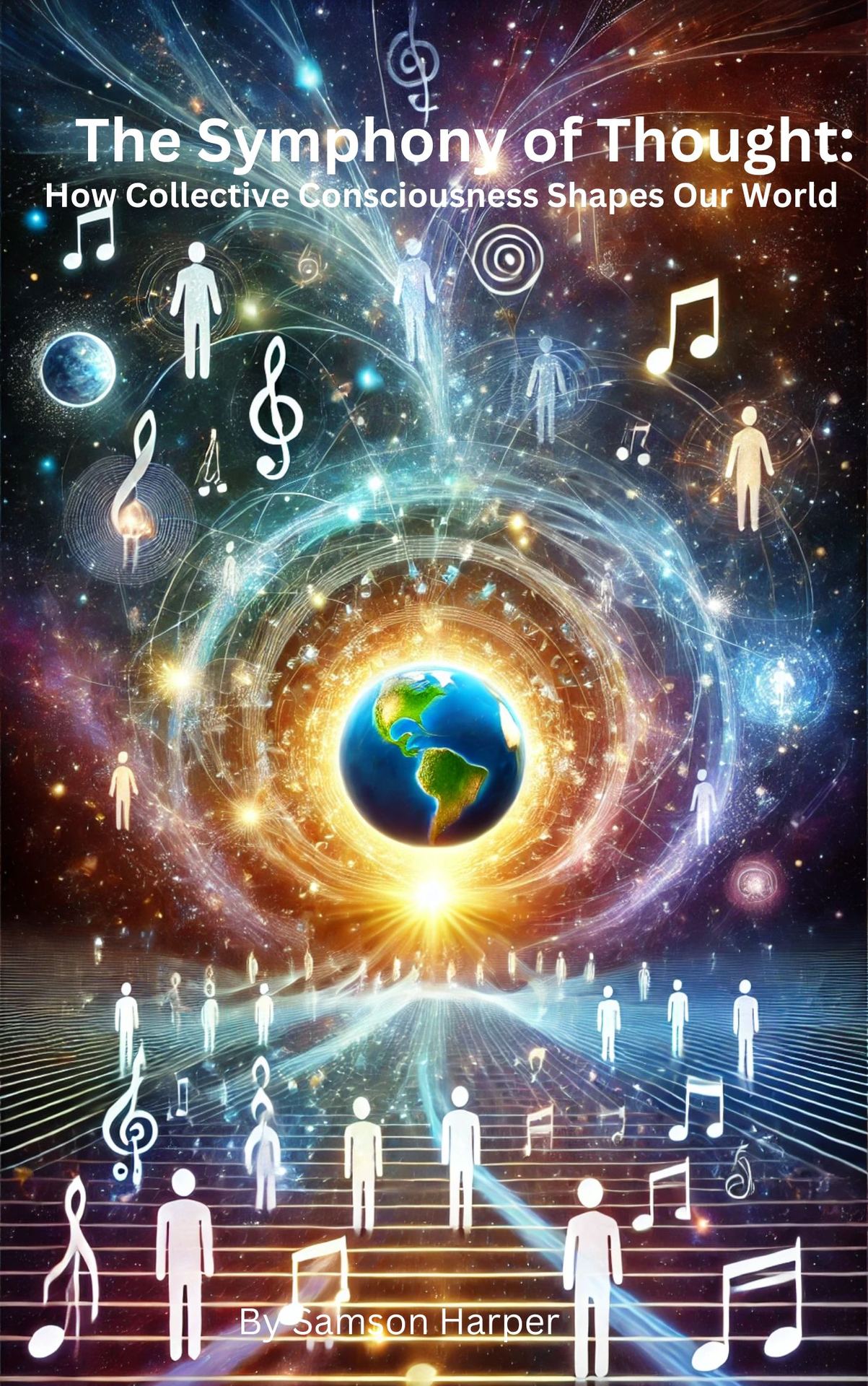

The Symphony of Thought: Collective Consciousness Explained
Explore how collective consciousness shapes our reality through shared experiences, emotions, and intentions. Discover the unifying power of our interconnected minds.
🧠Understanding Collective Consciousness
Collective consciousness is a profound concept that delves into the interconnectedness of human minds and the impact that this shared awareness can have on our lives and the world around us. It suggests that our thoughts, feelings, and intentions are not merely private experiences but are instead interconnected threads that weave together the fabric of reality. This intertwining of thoughts and emotions creates a 'symphony' of human experience, where each individual's input can resonate with others and contribute to a larger dialogue about existence. This page explores 'The Symphony of Thought: How Collective Consciousness Shapes Our World,' providing insights into the relationship between collective thought and the dynamics of our shared experiences, while emphasizing the importance of ethical considerations, inclusivity, and conscious effort in shaping the collective reality. By understanding this concept, we can better appreciate the power we hold as a unified force capable of fostering harmony and positive transformation throughout our world.
✨The Collective Impact of Thought and Intention
🌍The Power of Collective Consciousness
The concept of collective consciousness serves as a profound exploration of how individual thoughts and experiences influence the shared reality of humanity. At its core, it suggests that we are not isolated entities but rather interconnected participants in a greater narrative. This interconnectedness implies that when we align our thoughts, emotions, and intentions, we can create a powerful cumulative effect that can alter the circumstances of our collective existence. Scientific research supports these ideas, demonstrating that collective behaviors, such as group intentions and shared emotional states, can lead to measurable changes in our physical reality. For instance, studies have shown that synchronized group meditations can lower crime rates and reduce violence in communities, suggesting that when minds come together with intention, positive outcomes may follow. Furthermore, the realms of spirituality and ancient philosophies echo these findings, claiming that shared intentions manifest in the physical world, leading to an ethic of care toward one another and the planet. In cultivating this consciousness, we embark on a transformative journey that encourages us to consider our thoughts’ ripple effects through time and space, ultimately embracing our role as co-creators of a collective destiny.
🎶The Interplay of Science and Spirituality
The intersection of science and spirituality in the context of collective consciousness is a fascinating area of study. Modern neuroscience has made strides in understanding how our brains interact with others, revealing that mirrored neural patterns occur when individuals share experiences or engage in collective activities. These findings align with ancient spiritual teachings that emphasize the oneness of all beings and the profound interconnectedness of human experience. This compatibility lends support to the notion that our thoughts together create an ethereal framework that shapes reality itself. Moreover, the role of music cannot be understated; it has been universally recognized for its ability to foster unity and connection among people. When individuals engage in communal musical experiences, they create synchrony that enhances bonding and promotes a shared emotional experience. As we navigate our everyday lives, we can draw on these insights and consciously participate in the melody of life that resonates throughout our world, emphasizing the importance of our individual contributions to the greater whole.

🌟Embracing Responsibility for Collective Thought
🤝Ethical Considerations in Collective Consciousness
As we delve deeper into the implications of collective consciousness, it is essential to address the ethical considerations that accompany the power to shape reality. Collective consciousness offers us remarkable potential for positive change, yet it also carries the weight of responsibility. Each thought, belief, and intention that we contribute to the collective mind can influence societal structures and the environment in significant ways. The impact can manifest in both uplifting and detrimental forms. For example, fear-based thinking or divisive beliefs can resonate across communities, potentially leading to conflict and polarization. Therefore, being mindful of our internal narratives is crucial. This awareness compels us to embody values such as compassion, inclusivity, and responsibility in our thoughts and interactions. As we realize the shared nature of our existence, we must cultivate an attitude of unity and mutual respect for the diverse voices that contribute to our jointly shaped reality. By actively pursuing a culture of care and empathy, we can harness the positive elements of collective consciousness, collectively fostering environments that encourage love, peace, and a deep understanding of our interconnectedness.