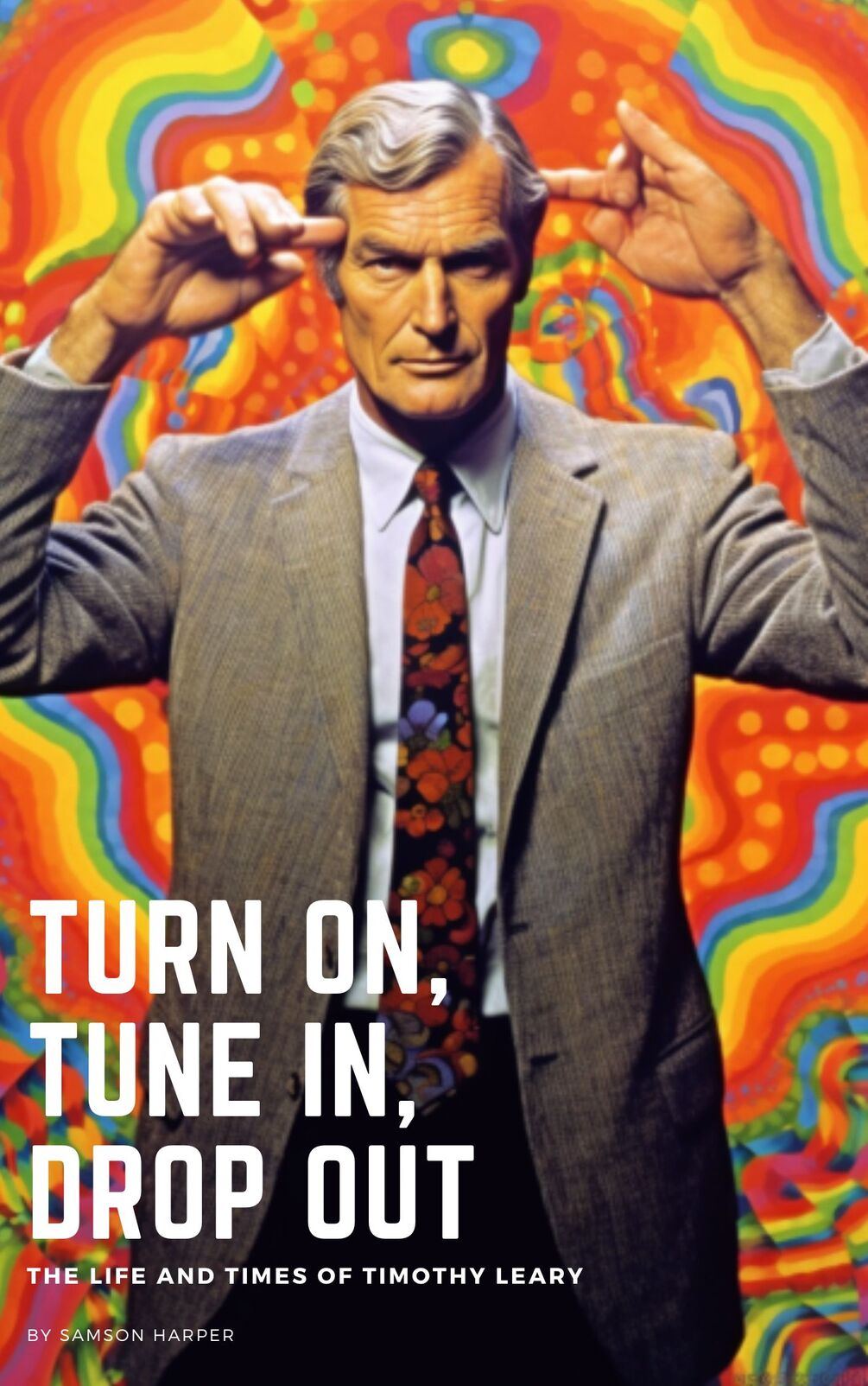
Turn On, Tune In, Drop Out: The Life and Times of Timothy Leary
An in-depth biography that journeys through the controversial and influential life of a 20th-century icon. Explore his groundbreaking research, counterculture activism, and enduring impact on our understanding of consciousness.
.jpg&w=96&q=100)
📚Introduction & Overview
Welcome to the definitive exploration of Timothy Leary's fascinating journey. 'Turn On, Tune In, Drop Out: The Life and Times of Timothy Leary' delves into the extraordinary life, work, and impact of one of the 20th century's most controversial and compelling figures. From his childhood in Massachusetts to his influential research at Harvard University, and his pivotal role in the counterculture movement of the 1960s, this biography offers a multifaceted look at Leary's life. It examines his advocacy for psychedelic drugs, his tumultuous legal battles, his philosophy and beliefs, and the criticisms he faced. This book aims to provide a nuanced perspective on Leary's legacy, emphasizing his profound influence on psychedelic research, popular culture, and our understanding of human consciousness. Whether you're a history enthusiast, a student of psychology, or simply curious about this enigmatic figure, this biography is a must-read. Dive in and discover how Timothy Leary changed the way we perceive reality and the potential of the human mind.
🔬The Life and Impact of Timothy Leary
🔬The Life and Impact of Timothy Leary
Timothy Leary's life was a series of transformative moments that significantly impacted the fields of psychology, psychedelic research, and popular culture. Born in Massachusetts, Leary's academic journey took him to Harvard University, where he began his groundbreaking research on the effects of psychedelic substances. This research was not without its controversies, as it challenged traditional scientific norms and societal views on consciousness and perception. Leary's advocacy for the use of psychedelic drugs to explore the mind and his coined phrase, 'Turn On, Tune In, Drop Out,' became a rallying cry during the 1960s counterculture movement. His outspoken support for altering consciousness through these substances led to significant legal troubles. Arrested multiple times, Leary's legal battles highlighted the tension between countercultural ideals and mainstream society. Despite the controversies, Leary's work had a lasting influence on the study of psychedelics and their role in psychological therapy. He proposed that these substances could offer profound insights into the human psyche, a belief that continues to be explored in modern scientific research. Leary's contributions extended beyond academia; he became a cultural icon, influencing music, art, and literature. His work provoked thought and inspired a generation to question reality and expand their consciousness. This biography sheds light on these different aspects, providing a comprehensive understanding of Leary's impact and legacy.
🌟Achievements and Legacy
🌟Achievements and Legacy
Timothy Leary's achievements were multifaceted, having influenced not just the scientific community but also the broader cultural landscape. At the height of his career, Leary advocated for the responsible use of psychedelic drugs to unlock the hidden potential of the human mind. His Harvard Psilocybin Project was a groundbreaking initiative that delved into the therapeutic and spiritual benefits of these substances. Though his work was met with skepticism and controversy, it paved the way for future research in psychedelics, now being further explored for treating mental health issues such as PTSD and depression. Beyond his scientific endeavors, Leary's charismatic personality and eloquence made him a prominent figure in the 1960s counterculture movement. He spoke at rallies, wrote books, and composed essays that challenged the status quo and inspired a generation towards self-exploration and societal change. His phrase “Turn On, Tune In, Drop Out” became a cultural mantra that encapsulated the spirit of the times. Leary's legal battles, including multiple arrests and escapes from custody, showcased his defiance against an establishment resistant to change. Despite his controversial lifestyle, his ideas sparked discussions that have lasted well into the 21st century. Today, Timothy Leary is remembered not only for his scientific contributions but also for his role as a cultural and philosophical provocateur who dared to challenge conventional wisdom. His legacy lives on, influencing how we think about consciousness, individuality, and the quest for a deeper understanding of the human experience.