Unlock the Wisdom of Socratic Philosophy
Dive deep into Socrates' life, teachings, and legacy with Samson Harper's comprehensive book. Explore the intriguing dialogues and philosophical inquiries that shaped Western thought.
.jpg&w=96&q=100)
📚Introduction to Socratic Philosophy
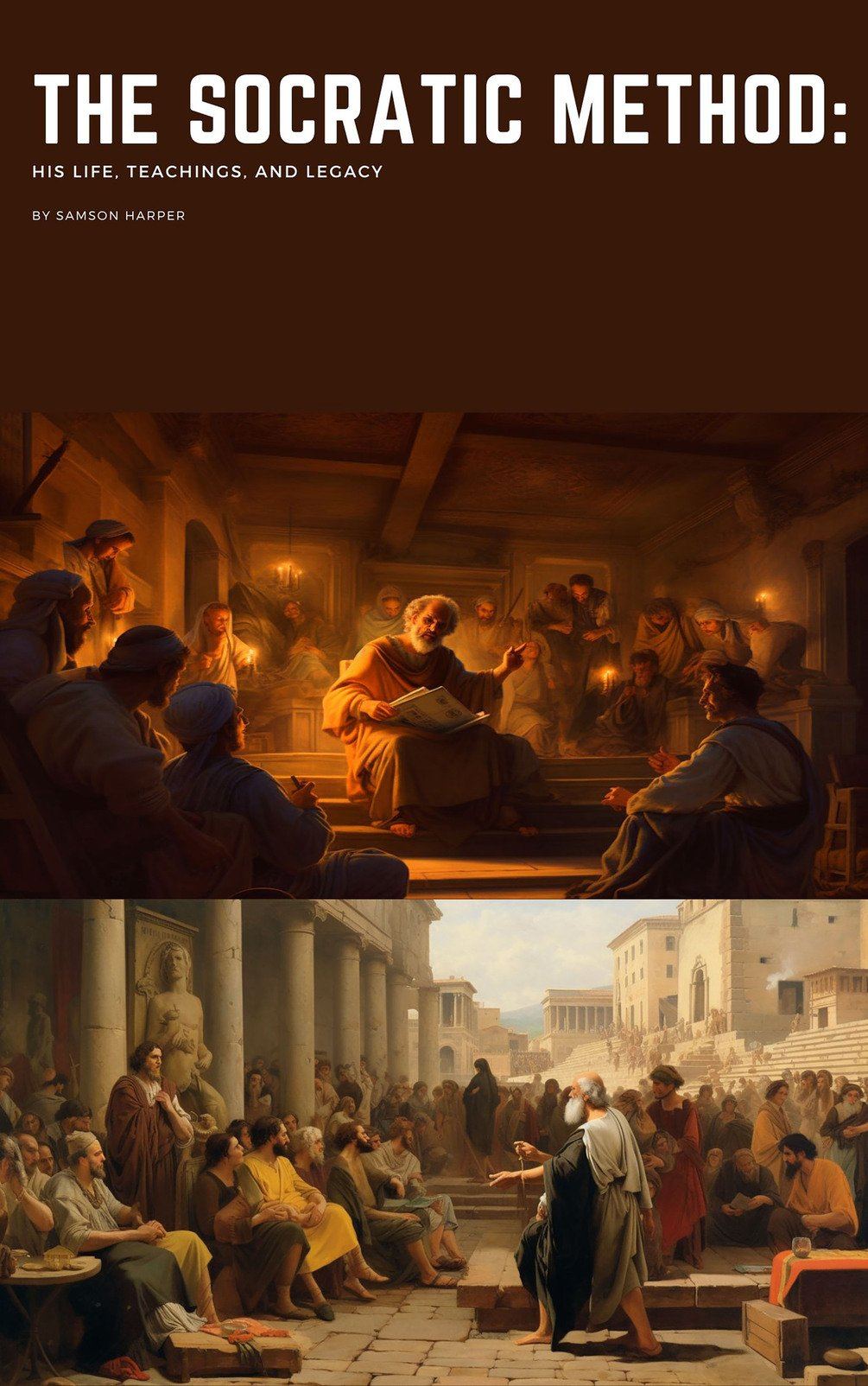
Welcome to an enlightening journey into the life and philosophy of one of history's greatest minds – Socrates. Through Samson Harper's meticulously researched book, 'The Socratic Method: His Life, Teachings, and Legacy,' readers are invited to explore the profound contributions of Socratic philosophy to Western thought. This splash page serves as an introduction to the book, summarizing its key themes and offering a glimpse into the life, method, and lasting impact of Socrates. With its detailed examination, this book is a must-read for anyone interested in philosophical inquiry, ethical philosophy, and the enduring legacy of one of the founding figures of Western philosophy.
💡Main Themes and Arguments
🔍Philosophical Contributions
Socrates' contributions to philosophy are monumental, positioning him as a cornerstone of Western philosophical thought. Central to his contributions is the Socratic Method, a dialectical form of inquiry that involves asking a series of questions to draw out individual answers and encourage fundamental insights into various topics. This epistemological approach emphasizes critical thinking and continuous questioning, aiming to reveal underlying beliefs and examine their validity. Furthermore, Socratic ethical philosophy is rooted in the conviction that knowledge leads to virtuous action and that self-awareness is crucial for personal development. Harper's detailed analysis of Socratic politics and society sheds light on Socrates' belief in the necessity of just and virtuous governance, critiquing the democratic practices of his time. His unique stance on epistemology, which asserts that true wisdom is in recognizing one's own ignorance, encourages a lifelong commitment to learning and self-improvement. Finally, this book captures the philosophical ramifications of Socrates' trial and martyrdom, exploring how his unwavering adherence to his beliefs cemented his legacy as a martyr for truth and intellectual integrity.
🧠The Core of Socratic Philosophy
Socrates, often regarded as the father of Western philosophy, is most renowned for his distinctive approach known as the Socratic Method. This method is characterized by a series of questions and answers aimed at stimulating critical thinking and illuminating ideas. Samson Harper's 'The Socratic Method: His Life, Teachings, and Legacy' delves into the intricacies of this method, showcasing its ability to foster deep philosophical inquiries and debates. The book thoroughly examines Socratic ethical philosophy, exploring his belief in self-knowledge and the virtue it entails. Socrates' perspectives on politics and society, as well as his epistemological views, are presented with clarity, highlighting his emphasis on questioning established norms and seeking truth. Additionally, Harper provides an insightful discussion on Socrates‘ religious views, the events leading to his trial, and his eventual death, outlining the philosophical implications of these occurrences. The final sections address Socrates' influence on subsequent philosophers and contemplate his lasting legacy amidst various criticisms and controversies.
🔎Deep Dive into Socratic Thought
🔎Exploring Further into Socratic Thought
The book 'The Socratic Method: His Life, Teachings, and Legacy' goes beyond just the well-known aspects of Socratic philosophy. It takes readers on a journey through lesser-known facets of Socrates' teachings and life. One of the intriguing areas explored is Socrates' views on religion and piety, which were central to his trial. Socrates challenged the traditional religious notions of Athens, proposing a form of piety that was tied to philosophical inquiry and moral integrity. His stance on divinity and his perceived subversiveness led to accusations of impiety, resulting in his trial and eventual execution.
Moreover, the book examines the unique educational philosophy of Socrates, who believed in the importance of an examined life. He championed the idea that education should not merely be about the absorption of knowledge but a transformative process that leads to self-awareness and ethical living. This method of teaching through dialogue and questioning continues to influence modern educational practices.
The legacy of Socrates is further discussed with attention to how his followers, such as Plato and Xenophon, preserved and propagated his teachings. The book also addresses various interpretations and criticisms that have emerged over the centuries, providing a comprehensive view of Socratic thought. Samson Harper's work ensures that the depth and breadth of Socrates' influence are fully appreciated and understood, making it an invaluable resource for anyone seeking to delve deeper into the world of ancient philosophy.