Discover the Origins of Stoicism
Explore the life and philosophy of Zeno of Citium, founder of Stoicism. Learn the principles that have shaped minds for centuries. Get your comprehensive guide today!
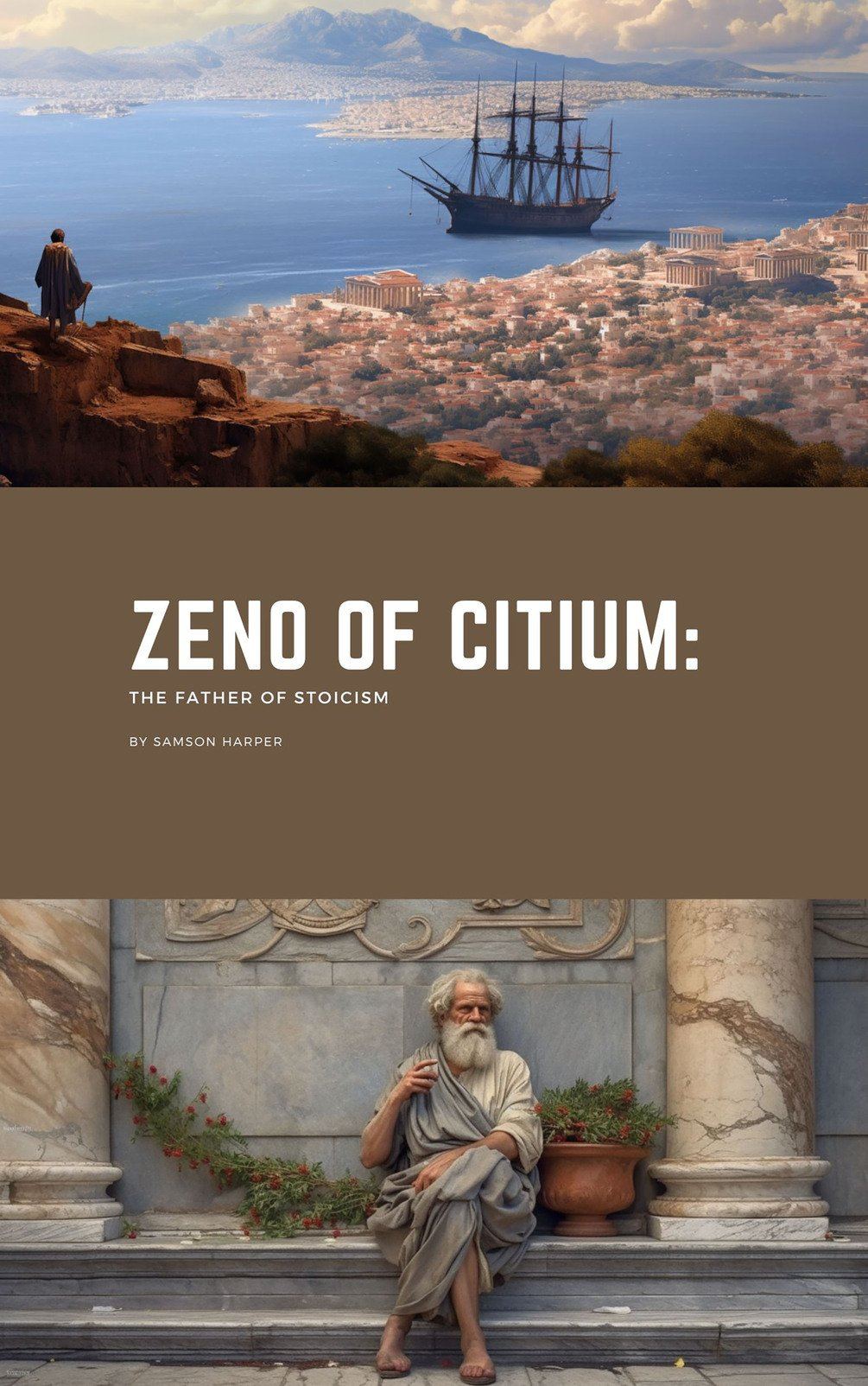

🌟Introduction to Zeno of Citium and Stoicism
Welcome to an in-depth exploration of Zeno of Citium, the pioneering philosopher behind Stoicism. Dive into the life, teachings, and enduring impact of a man whose thoughts have shaped philosophical and ethical discussions for centuries. Born in Citium, Cyprus, in 334 BC, Zeno moved to Athens to establish a school of philosophy that emphasized the pursuit of virtue and wisdom as the highest goods. Our guide not only covers his personal journey and philosophical doctrines but also the influence of Stoicism in modern psychology, contemporary ethics, and popular culture. Whether you're a newcomer to Stoicism or a seasoned student, this comprehensive resource offers valuable insights into the mind and legacy of Zeno of Citium. 🌟

⚖Criticisms and Legacy
🌿The Enduring Influence of Stoicism
Beyond Zeno's lifetime, the principles of Stoicism continued to evolve and influence a wide array of disciplines. From the writings of Seneca, Epictetus, and Marcus Aurelius, the school's teachings were adapted to address the complexities of Roman society. In modern times, Stoic principles have found their way into cognitive-behavioral therapy (CBT), emphasizing the power of rational thought and emotional regulation. Contemporary philosophy and ethics also draw heavily from Stoic ideas, advocating for mindfulness, emotional resilience, and ethical living. Whether through academic study or personal practice, Stoicism offers a framework that remains relevant in today's fast-paced world. 🌿
📚Life and Philosophy of Zeno of Citium
Zeno of Citium, born in 334 BC in Citium, Cyprus, embarked on a journey that led him to Athens, the center of ancient learning. Dissatisfied with materialism and the hedonism of his time, Zeno sought a philosophy rooted in the pursuit of virtue and wisdom. Founding the Stoic school in Athens, he taught that true happiness is found through living in harmony with nature and controlling one's desires and emotions. The core principles of Stoicism, such as the belief in virtue as the highest good, the importance of rationality, and the acceptance of fate, have left a lasting influence on Western thought. This guide delves into the practical applications of these principles, from mental exercises designed for resilience to the Stoic understanding of ethics and its critique. Join us as we explore Zeno's life, his teachings, and the enduring legacy of Stoicism. 📚
🎬Stoicism in Popular Culture
Stoicism's tenets are not just confined to philosophical texts but have permeated popular culture in various forms. From the adoption of Stoic principles by modern self-help authors to portrayals in movies, literature, and online platforms, the philosophy continues to resonate. Characters in popular media who display emotional resilience, rational decision-making, and acceptance of fate often reflect Stoic principles, whether overtly stated or subtly implied. This widespread adoption underscores Stoicism's versatility and its capacity to offer valuable wisdom in both personal and public spheres. Explore how Stoicism's impact on popular culture helps it remain a dynamic and accessible philosophy. 🎬
📘Get Your Copy Today!
⚖Criticisms and Legacy of Stoicism
Like any robust philosophical system, Stoicism has faced its fair share of criticisms over the centuries. Critics argue that Stoicism can be overly dismissive of human emotions, reducing complex experiences to mere reactions that need control. Others contend that the Stoic acceptance of fate may lead to passivity rather than proactive change. Despite these criticisms, Stoicism's focus on virtue, rationality, and emotional regulation has undeniably enriched philosophical discourse. The philosophy's tools for personal development and mental resilience have been embraced in various fields, from leadership training to therapeutic practices. Furthermore, the Stoic commitment to ethical living and rational decision-making continues to inspire individuals navigating the challenges of contemporary life. Zeno's legacy endures as his teachings continue to offer pathways to a balanced and virtuous life, making Stoicism a timeless guide for personal and societal well-being. ⚖️