.jpg&w=96&q=100)
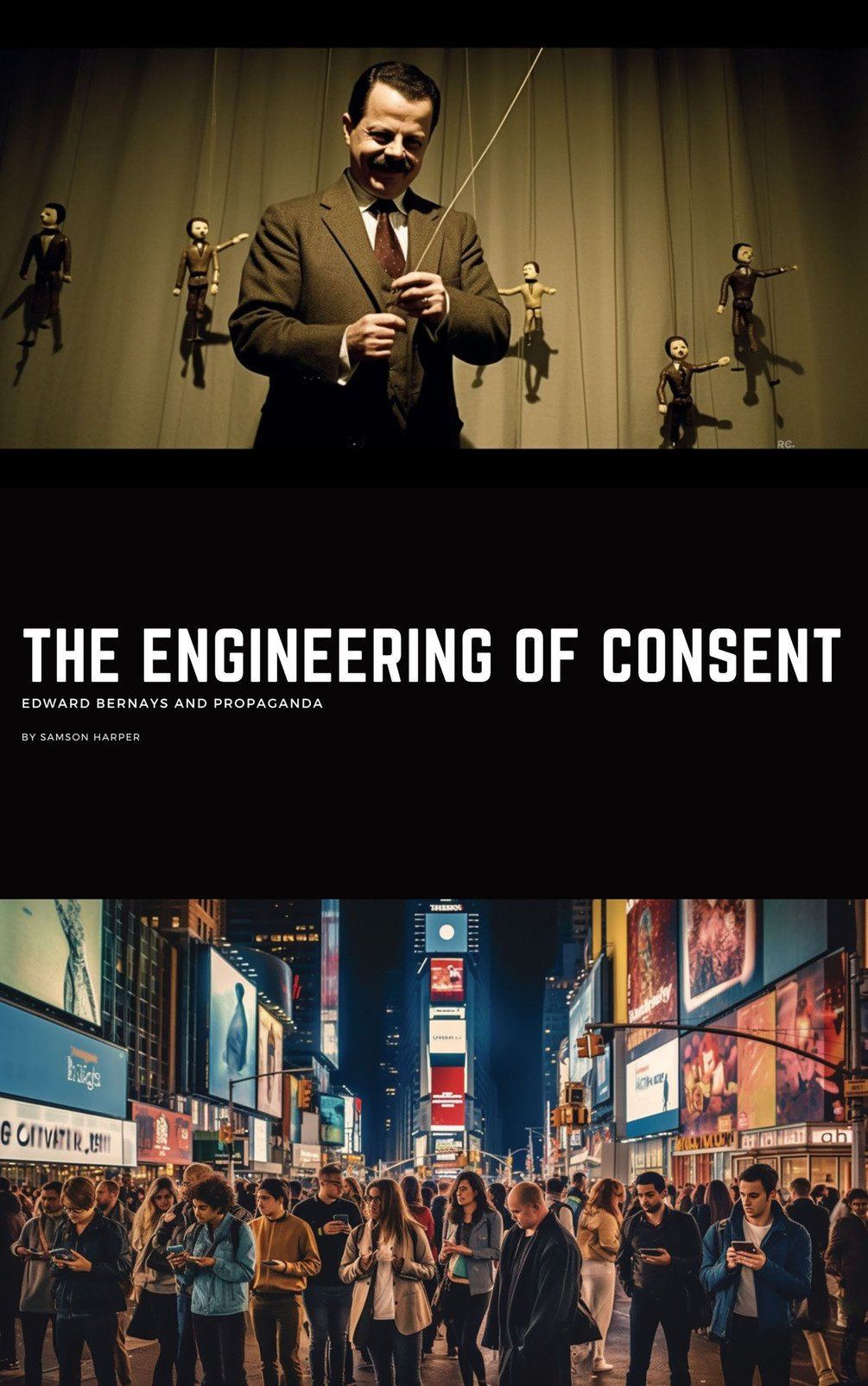
The Engineering of Consent: Edward Bernays and Propaganda
Explore Edward Bernays' revolutionary strategies in PR and propaganda. Understand his lasting impact on society, politics, and media in this comprehensive study.
Introducing Edward Bernays and His Influence on PR
Welcome to the fascinating world of public relations and propaganda, steered by none other than Edward Bernays, the 'Father of Public Relations.' Our book, "The Engineering of Consent: Edward Bernays and Propaganda", provides an in-depth exploration of Bernays' vast influence on modern PR strategies and societal shaping. This web page aims to guide you through the compelling narratives, ethical dilemmas, and profound insights offered in this remarkable study. From the origins of Bernays' manipulative tactics to their lasting footprint on consumer culture and corporate power, this book paints a comprehensive picture that is essential for anyone keen to understand the mechanisms that mold public opinion. Get ready to traverse the realms of media, politics, and digital evolution as we uncover the ethical and practical aspects of propaganda.
Bernays' Strategies and Their Impact📜
Exploring Bernays' Strategies and Their Impact
Edward Bernays revolutionized the field of public relations by developing and implementing manipulative strategies to shape public opinion and influence behaviors at a massive scale. At the heart of Bernays' approach was the concept of 'engineering consent,' which involved carefully crafting messages and events to steer the public in a desired direction without their conscious awareness. Bernays drew upon psychological theories, especially those of his uncle Sigmund Freud, to understand and manipulate the unconscious desires of the masses. One of the most notable applications of Bernays' strategies was in his work with tobacco companies, where he transformed cigarettes from a taboo product into a symbol of women's liberation through the 'Torches of Freedom' campaign. His techniques were groundbreaking, blending psychological insight with PR tactics to achieve unprecedented results. The book delves into how these methods not only shaped consumer culture but also extended into the realms of politics and media. Bernays played a significant role in political campaigns, corporate strategies, and media messaging, demonstrating the far-reaching implications of his work. The ethical considerations of these manipulative techniques are critically examined, offering readers a comprehensive understanding of the intricate balance between influence and control in modern society. The book further investigates how Bernays' legacy lives on in today's digital age, where similar strategies are employed on social media platforms to sway public opinion and behavior.


📲The Evolution and Future of Propaganda


The Ethical Implications of Public Relations and Propaganda
The book delves deeply into the ethical dimensions surrounding Edward Bernays' strategies in public relations and propaganda. Bernays' techniques, though highly effective, open up a Pandora's box of moral questions. Using psychological manipulation to influence public opinion raises concerns about the autonomy and freedom of the individuals being influenced. Are these tactics a form of control, or do they merely guide people towards making informed decisions? This debate forms the backbone of the book's exploration into the ethical landscape of PR and propaganda. The book scrutinizes various scenarios where Bernays' methods were employed, such as political campaigns that potentially swayed electoral results and corporate strategies that shaped consumer behavior on a massive scale. It also examines the subtle yet powerful ways in which these techniques have evolved in the digital age, where social media algorithms and targeted advertising replicate and enhance Bernays' original methods. By highlighting these ethical considerations, the book aims to provoke thoughtful reflection on the balance between influence and manipulation in modern society. The discussion offers crucial insights for everyone, from PR professionals to the general public, about the responsibilities and ethical dilemmas inherent in shaping public opinion.

📲The Evolution and Future of Propaganda
The ripple effects of Edward Bernays' pioneering methods in public relations and propaganda continue to be felt today, particularly in our digital age. The book delves into the evolution of these techniques, as they have adapted to new media landscapes, especially with the advent of social media and digital platforms. Bernays' foundational principles have been amplified by modern technologies, resulting in sophisticated methods of influencing public opinion. The book examines how algorithms, data analytics, and targeted marketing campaigns employ Bernays' strategies on an unprecedented scale. The digital era has made it easier than ever to shape and manipulate public perception by curating content that aligns with individual preferences and biases. These advancements pose new ethical challenges and raise important questions about the future of propaganda. Will the refinement of these techniques lead to an era of hyper-manipulation, or will increased awareness result in a more informed and critical populace? By exploring these questions, the book offers a forward-looking perspective on the role of propaganda in shaping societal norms and behaviors in the years to come. This section is crucial for anyone interested in the ongoing interplay between technology, media, and public relations.